Venezuela declared it was closing its embassy in Norway following the Nobel Peace Prize acceptance of opposition leader Machado.
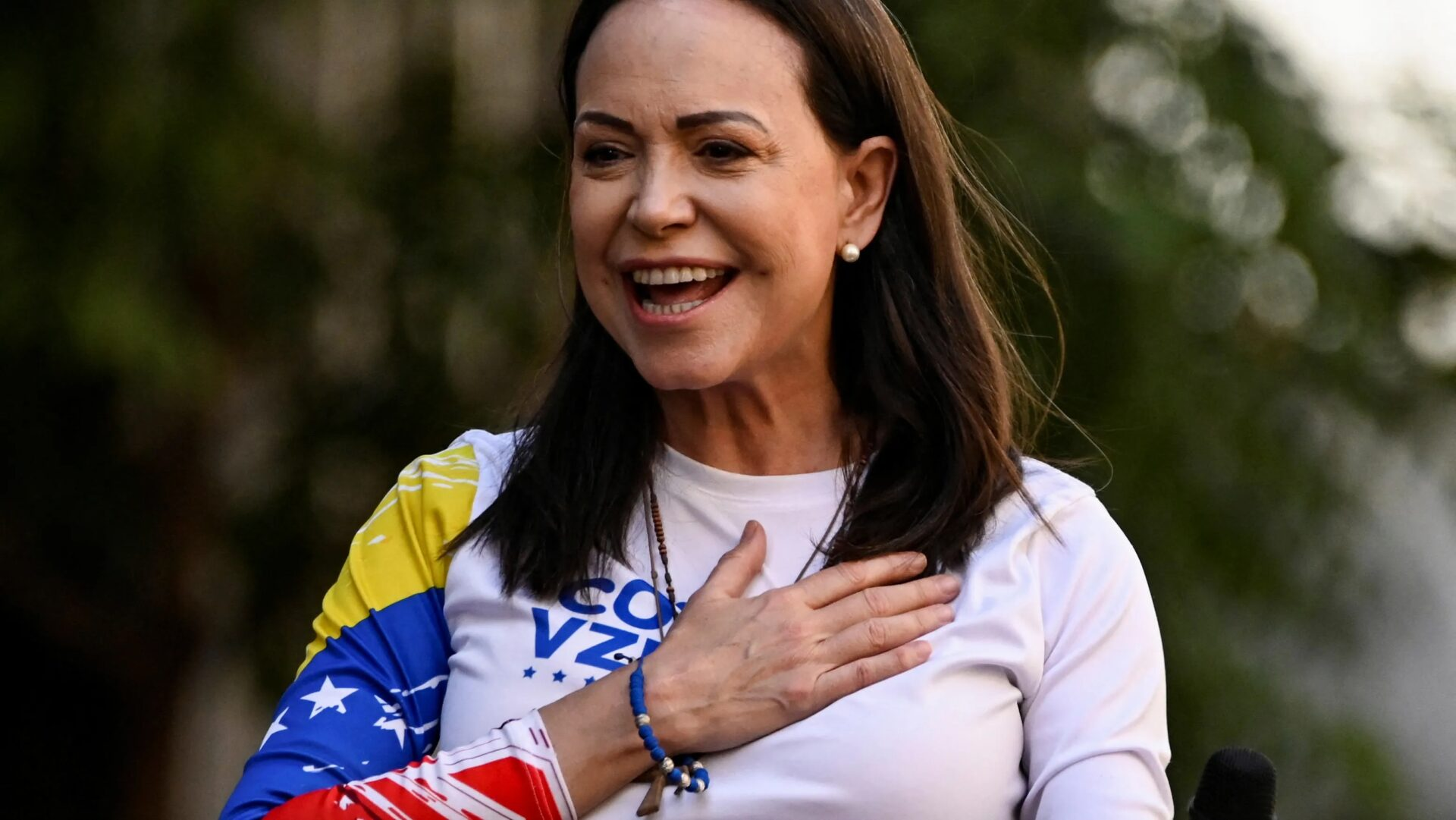
A new wave of diplomatic friction between Caracas and the West was sparked Monday when Venezuela announced that it was closing its embassy in Norway, just days after opposition leader María Corina Machado received the Nobel Peace Prize.
In a statement, the Venezuelan government described the closing of the mission as a part of a larger “restructuring” of its diplomatic network, without specifically mentioning Machado or her Nobel honor. The action, however, has been generally seen as a reaction to the Nobel Committee’s decision to recognize Machado’s efforts to further democracy in Venezuela, which is based in Oslo.
Although Caracas had not provided an explanation, Norway’s Ministry of Foreign Affairs acknowledged the closure of the mission.
According to a ministry spokesperson, Norway wants to maintain communication with Venezuela notwithstanding our disagreements on a number of subjects.
The Norwegian government does not control the Nobel Prize.
Machado, 58, has long spoken against President Nicolás Maduro’s authoritarian regime, which many Western nations and human rights organizations consider to be illegitimate. He is a key voice in Venezuela’s splintered opposition. She has been in hiding for a large portion of the past year because of political persecution.
“A key, unifying figure in a brutal authoritarian state suffering humanitarian and economic collapse,” Machado was praised by Nobel Committee Chair Jørgen Watne Frydnes at Friday’s Nobel announcement.
In retaliation, Maduro accused the laureate of being a “demonic witch” in broadcast statements, which infuriated both her followers and foreign onlookers.
Machado described the honor as “an injection of hope, energy, and strength” for Venezuelans in an interview, adding, “It reminds us we are not alone in this struggle.”
Alongside the closing of its mission in Australia, another strong ally of the United States, Venezuela has also closed its embassy in Oslo. Concurrently, Venezuela declared the opening of new diplomatic posts in Burkina Faso and Zimbabwe, describing them as “strategic partners in the fight against hegemonic pressures.”
According to analysts, these actions show that Caracas is making a conscious geopolitical shift away from the West and toward nations that have supported the Maduro government more.
Amidst increased tensions between the United States and Venezuela, there is a diplomatic gap. In what the Trump administration refers to as an extended war on drugs, the US military is said to have killed at least 21 people in recent weeks by destroying four vessels that were transporting drugs from Venezuela.
The US has been accused of violating international law by critics in Colombia, Venezuela, and other countries, who have condemned the strikes. Legal professionals and human rights advocates have questioned whether the attacks were proportionate and lawful.
It is reminiscent of previous diplomatic disputes over the Nobel Peace Prize. After Chinese dissident Liu Xiaobo received the award in 2010, Beijing suspended diplomatic and commercial ties with Norway for six years, only to reestablish them in 2016.
The Nobel Peace Prize’s symbolic value and ability to elicit strong worldwide reactions are highlighted by Venezuela’s choice, which now opens a new chapter in the intricate relationship between diplomacy, human rights, and world politics.