The head of the International Monetary Fund received a written briefing from a collection of Kenyan non-governmental organizations accusing the government of increasing economic disparity and the country’s debt.
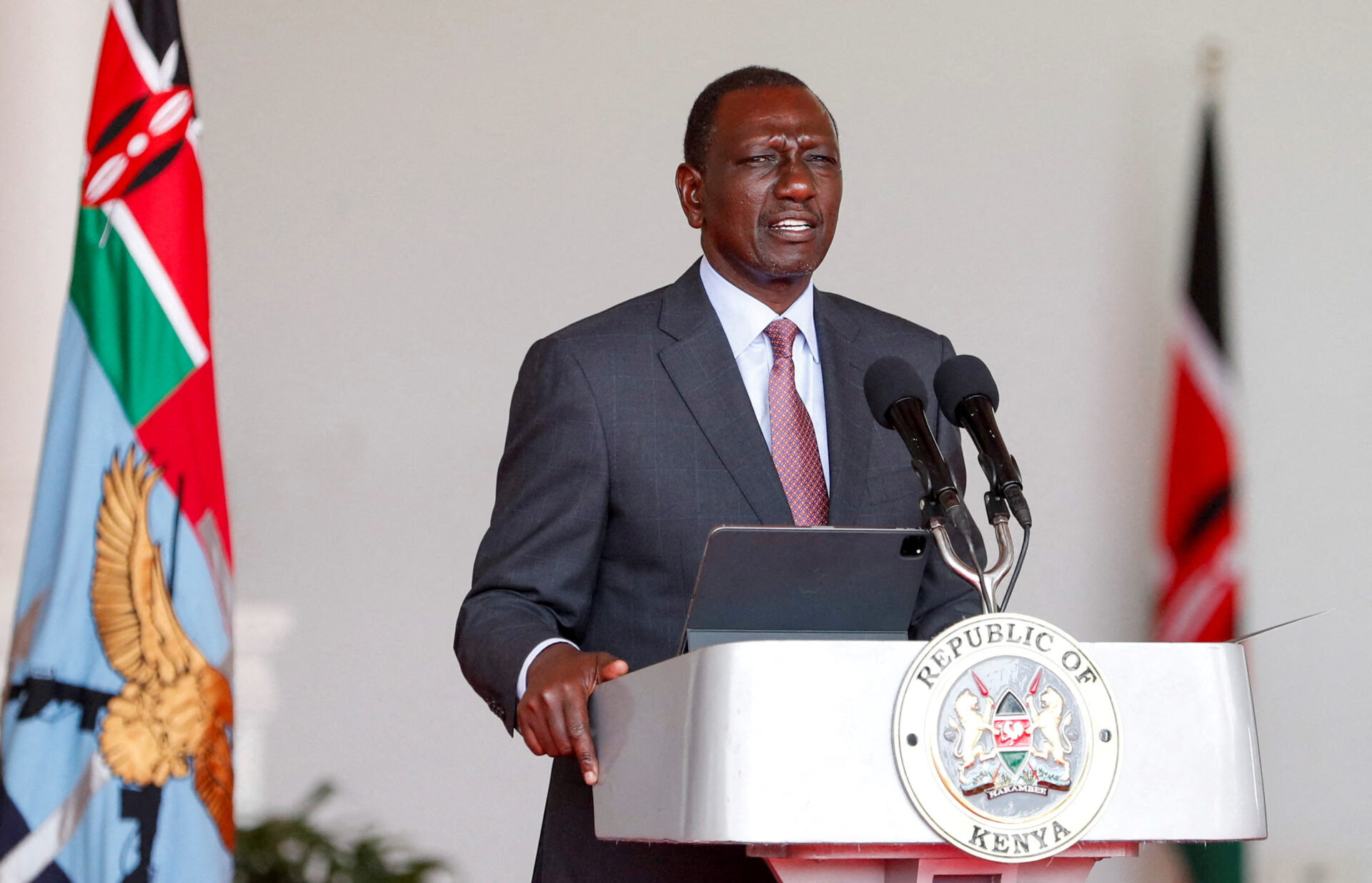
Residents lament high taxes, declining earnings, and a failure to control borrowing, while President William Ruto’s administration, which is negotiating a new financial program with the IMF, has taken pride in preventing a disastrous default.
According to the organizations’ brief given to IMF Managing Director Kristalina Georgieva on Monday on the sidelines of the IMF and World Bank’s annual meetings in Washington, D.C., Ruto’s government has increased borrowing and presided over an increase in poverty, despite being the target of youth-led protests against tax hikes last year.
“Kenya’s fiscal misgovernance has matured into a multi-dimensional risk system, where macroeconomic fragility, governance decay and social instability reinforce each other,” they said.
The ministry of finance’s principal secretary, Chris Kiptoo, told Reuters he had not received the briefing and so was unable to comment on it. Kiptoo is attending the discussions with other officials.
In a visit known as a “governance diagnostic,” IMF experts evaluated corruption and governance issues in Kenya this year. The Fund said it anticipates sharing the results with the government for evaluation by the end of this year.
In order to fulfill its goal to restructure the economy, Ruto’s government has implemented a number of new taxes on businesses and individuals over the past three years, including a housing charge and mandatory contributions to a new national health program.
However, civil society organizations affiliated with Okoa Uchumi, which translates to “Rescue the Economy” in Swahili, accused the government of engaging in a pattern of “fiscal capture.”
In their brief to the IMF, they said that decisions about borrowing and spending are made more to maintain political patronage networks than to further development priorities.
In addition to concentrating on economic goals, they urged the World Bank and IMF to include calls for improved governance in Kenya in their aid initiatives.
“Kenya’s fiscal crisis is not a temporary imbalance; it is the cumulative outcome of governance neglect and institutional erosion,” the organizations claimed.