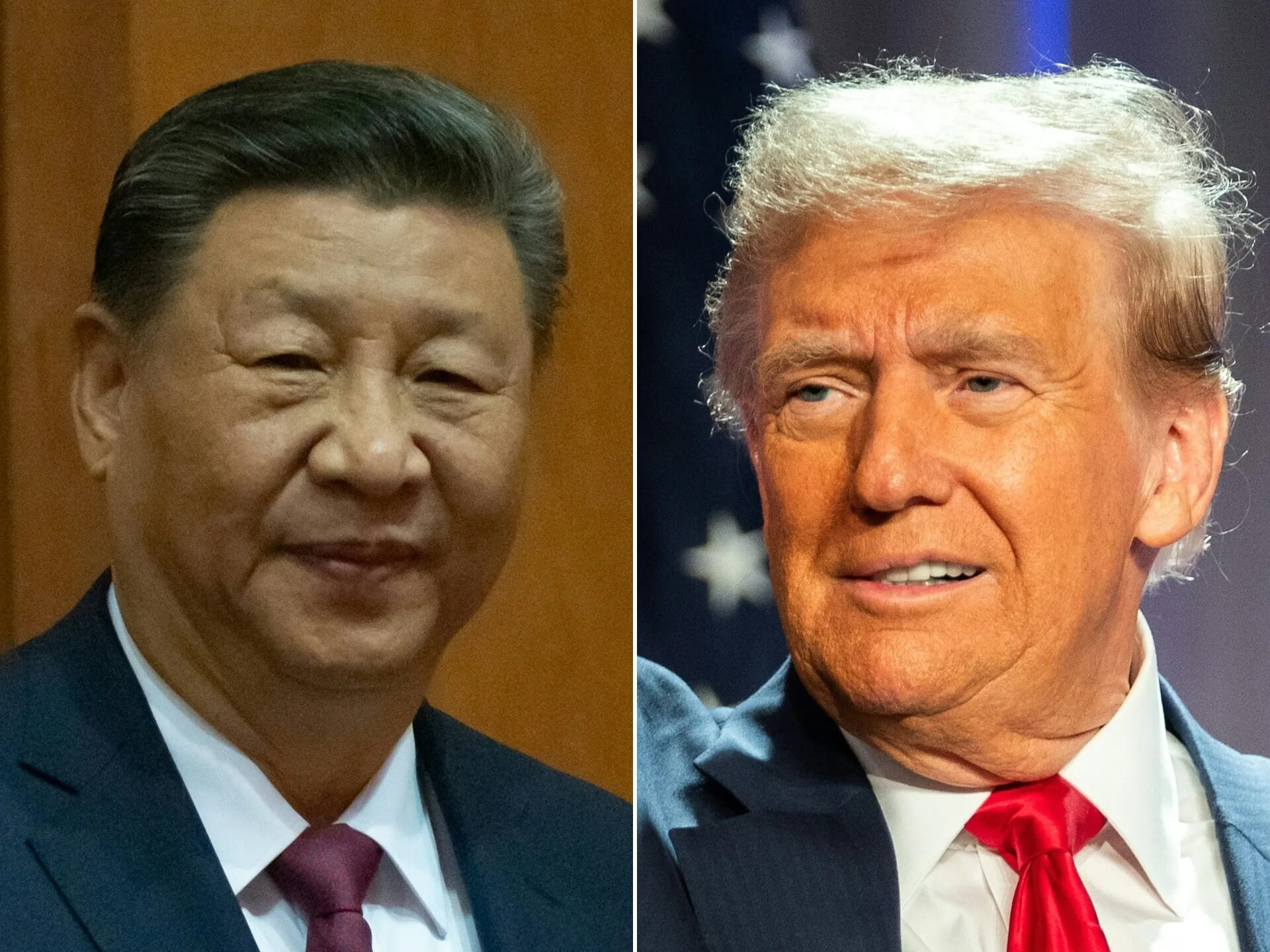
Trump threatens to impose 100% tariffs, while China says it is prepared for response, accusing the US of using double standards.
In response to President Donald Trump’s vow to put an additional 100% tax on Chinese exports, China has accused the US of applying “double standards,” threatening Beijing to retaliate with own measures.
A representative for China’s Commerce Ministry stated that the nation would take “necessary actions” if Washington carried out its warning and that it was “not afraid” of a potential trade war.
The spokeswoman accused the United States of “abusing export control measures” and “adopting discriminatory practices” against Chinese enterprises, saying that threatening tariffs is not the appropriate way to interact with China.
Trump’s Friday comments followed Beijing’s announcement of new export curbs on rare earth elements, which are crucial to the world’s electronics production. The US president responded by accusing China of turning “very hostile” and threatening to not attend a meeting with President Xi Jinping that was scheduled.
Global markets were jarred by the increasing rhetoric, and the S&P 500 saw its biggest decline since April, plunging 2.7%. The exchange may rekindle trade tensions that had subsided earlier this year after both nations agreed to remove some tariffs, according to analysts.
In defense of its rare earth export restrictions, China said that the acts were “normal actions” taken to safeguard national security. Additionally, it blamed Washington for “extending the concept of national security” for political ends by criticizing US export curbs on semiconductors.
The official stated that China has always held the same stance on tariff wars: “We do not want one, but we are not afraid of one.”
There is now uncertainty around the Trump-Xi meeting that was supposed to happen in South Korea later this month, which has sparked new worries about a resurgence of economic tension between the two biggest economies in the world.