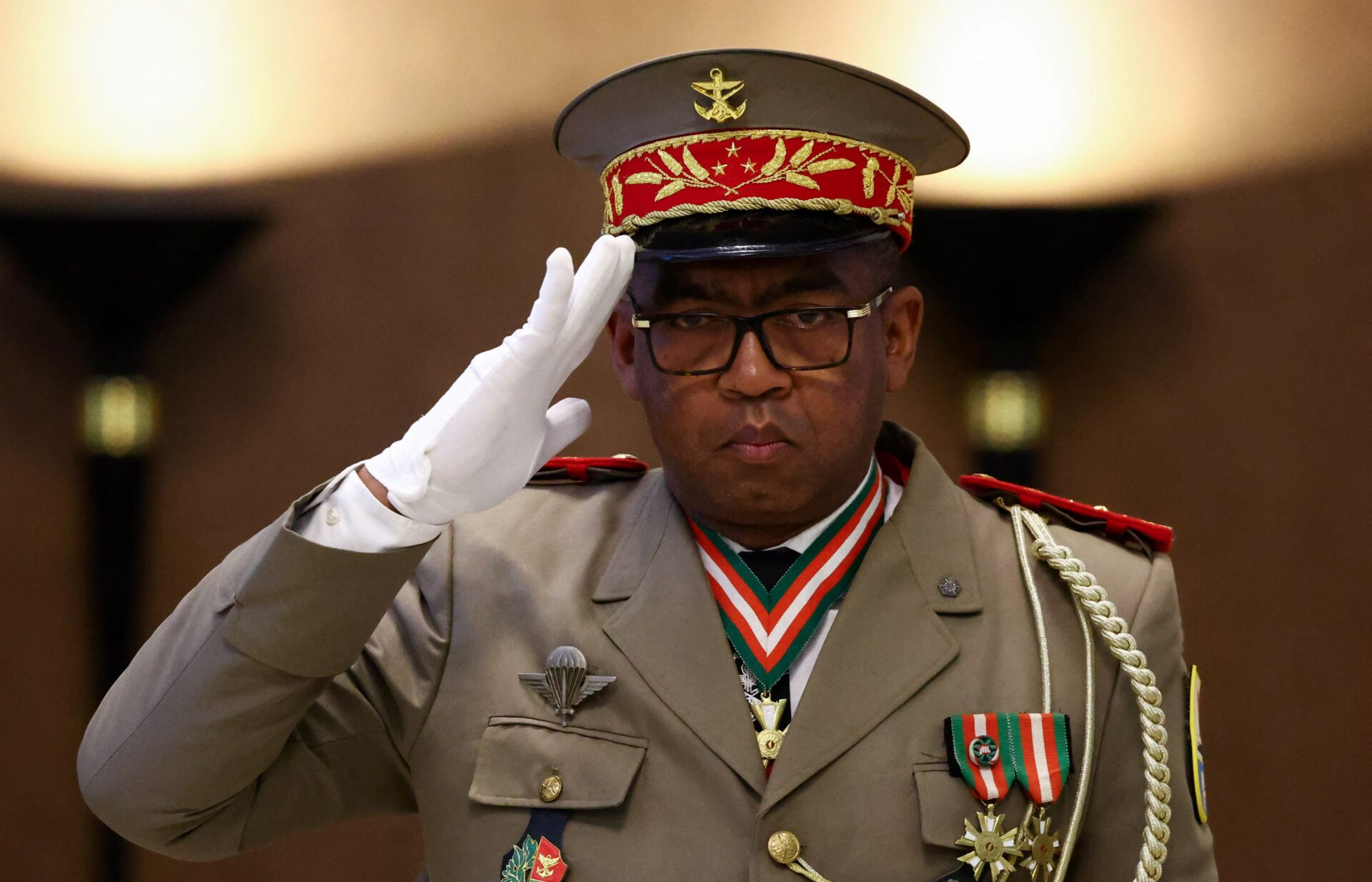
General Ruphin Fortunat Zafisambo, the recently appointed prime minister of Madagascar, denounced Friday what he described as “excessive use of force” by protestors and security forces following three weeks of anti-government protests throughout the island nation.
In some instances, protesters have thrown stones at security personnel, who have retaliated with rounds of tear gas, and blocked highways with rocks. This week, a lady informed Reuters that her husband’s killing was “entirely preventable” after he was shot dead on September 25 when he was closing his store.
Originally triggered by water and electricity shortages, the protests later grew to include demands that President Andry Rajoelina resign, issue an apology to the country, and abolish the electoral commission and senate.
In the early days of the protests, the government has denied the UN’s claims that at least 22 people were killed and over 100 injured. The majority of those slain were looters, according to Rajoelina, who estimated the death toll at twelve.
Once more, hundreds of demonstrators demanded that Rajoelina leave the capital Antananarivo on Friday.
“We categorically denounce all excesses, and we particularly denounce the excessive use of force by Malagasy people. “Whether in the military or among the demonstrators, Malagasy values, our sense of solidarity and brotherhood, must prevail,” Zafisambo told reporters in response to criticism of security forces’ use of force.
Security personnel were also advised by the UN Office for Human Rights to abstain from using needless force against protesters on Friday.
“We’re receiving troubling reports of continued violence against protesters by the gendarmerie, particularly in #Antananarivo,” according to its X account.
Last week, Rajoelina dissolved the previous government and appointed Zafisambo along with a new minister of defense and security.
He said he was prepared to step down if he couldn’t resolve Madagascar’s electricity issues within a year during a meeting held in his office on Wednesday.
The instability coincides with a precarious moment for Madagascar’s export-driven economy. Although the nation is most famous for producing the majority of the world’s vanilla, other exports such as nickel, cobalt, textiles, and shrimp are also essential for employment and foreign income.
The demand for a statewide strike by protesters on Thursday was mostly ignored.
An unnamed business executive told Reuters that the protest’s disruptions and the curfew that followed had made the nation’s already bad economic position worse.