India intends to resume diplomatic relations with Taliban-led Afghanistan by reopening its embassy in Kabul after a four-year hiatus.
Nearly four years after it was closed when the Taliban regained power, India would restore its embassy in Kabul, Foreign Minister Subrahmanyam Jaishankar said Friday. An important step toward increasing India’s diplomatic ties with Afghanistan under Taliban leadership has been taken with this move.
After the Taliban took over India and US-led NATO forces left the country, India closed its embassy in 2021. To promote trade, medical aid, and humanitarian help, New Delhi set up a small technical presence in Kabul a year later.
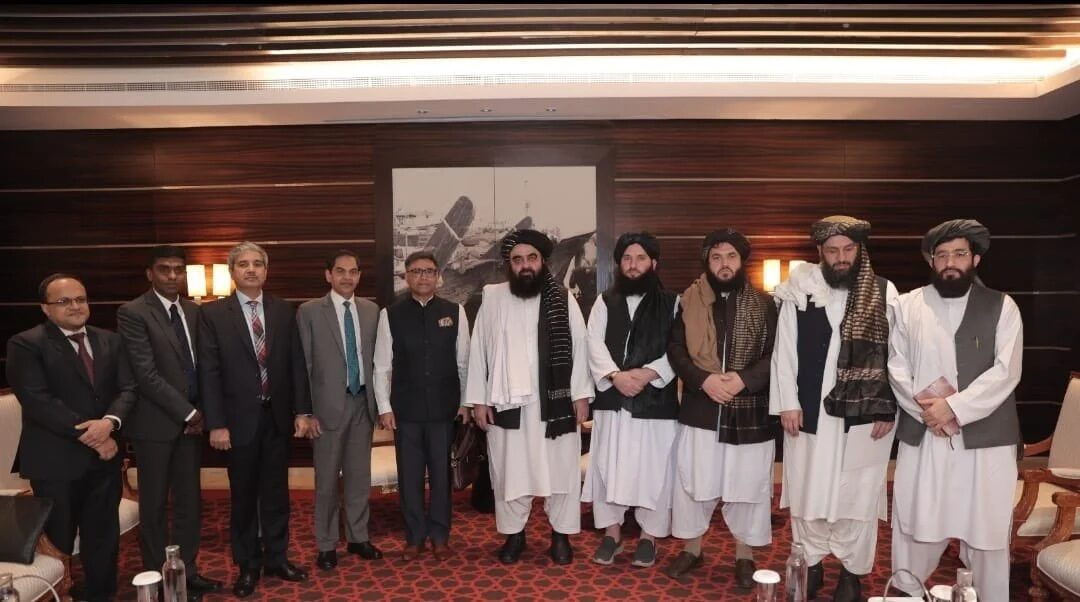
During a six-day visit to India, the first by a Taliban commander since the group reclaimed power, Jaishankar made the statement while speaking with Afghan Taliban Foreign Minister Amir Khan Muttaqi.
According to Jaishankar’s opening statement, “India is fully committed to the sovereignty, territorial integrity, and independence of Afghanistan.” “Our closer collaboration promotes regional stability and resilience in addition to your country’s development.” Although no date was given, he did confirm that India’s current technical mission would be raised to a full embassy.
China, Russia, Iran, Pakistan, and Turkey are among the dozen nations that have embassies in Kabul, and India is now one of them. The only one of these that has officially recognized the Taliban government is still Russia.
The purpose of Muttaqi’s visit, which was made possible by a temporary exception from the UN travel restriction, is to improve political and economic ties. Discussions will center on development initiatives, trade, and regional cooperation, according to the Afghan foreign ministry.
Despite the long history of goodwill between India and Afghanistan, New Delhi has not formally recognized the Taliban regime. According to analysts, the Taliban’s pursuit of wider international involvement in the face of economic difficulties and limited recognition, and India’s desire for stability and influence in the region, both indicate that the resumed diplomatic interaction is a practical move.