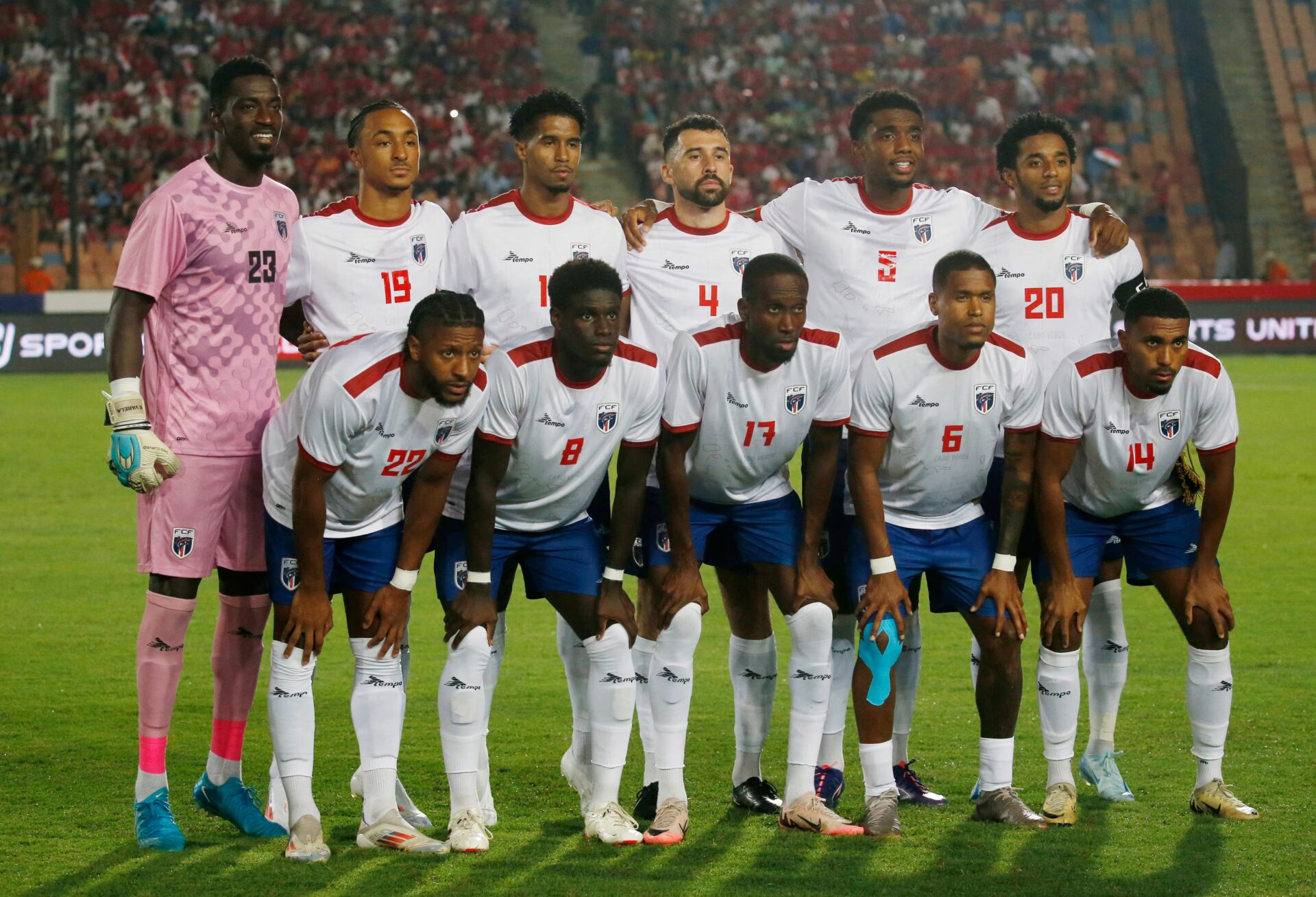
The Cape Verde Islands are just one victory away from qualifying for the World Cup, which would have been almost unthinkable twenty years ago but would validate the promise they have showed in recent years.
With a population of about 600,000, the windswept island archipelago off the west coast of Africa will become the second-smallest nation to qualify behind Iceland if they win one of their final two qualifiers over the course of the coming week.
To guarantee first place in Group D and defeat highly favored Cameroon to secure an automatic qualifying slot for the tournament in North America the following year, they will go to Libya on Wednesday and then play Eswatini at home on Monday.
Cape Verde made it to the final stages of qualifying for the 2014 World Cup in Brazil, however they lost out on the playoffs, when they would have been two games away from the finals, after being docked points for mistakenly fielding a suspended player.
Cape Verde made it to the quarterfinals of their first Africa Cup of Nations finals appearance in 2013, which caused their coach to start singing during the post-match press conference. They repeated the feat at the most recent tournament in Ivory Coast, but were unfortunate to lose on penalties.
However, from 1986, when they joined FIFA, to 1990, when they participated in the World Cup qualifying tournament for the first time, currently rated 182nd in the world, they had hardly played any international football, averaging two games annually.
Actively seeking out players from the Diaspora worldwide has fueled the quick rise that has since occurred.
THE PAYMENT OF TALENT IDENTIFICATION
According to Tony Araujo, a U.S.-based agent who was born on the islands and has worked closely with the club for decades, “the football association devised new strategies around identifying and recruiting talent throughout the large Cape Verdean communities.”
“When they advanced to their first Cup of Nations final in 2013, the talent identification and international recruitment process began to pay off handsomely.”
Since the Portuguese colonial era, migration from the islands has been prompted by a lack of natural resources and a dry environment.
Large numbers of migrants departed for Portugal as well as other locations, including as the Dutch port of Rotterdam and the eastern coast of the United States.
Six Dutch players are included in the roster for this week’s games, along with players from Portugal, France, and Ireland. Numerous players, some more inventive than others, were scouted and approached, including Roberto “Pico” Lopes of Shamrock Rovers, who will play in central defense.
“I set up a LinkedIn profile when I was in college but never really looked at it,” Lopes stated to Reuters.
“Rui Aguas, the coach at the time, sent me a note, but it was written in Portuguese. I ignored it since I assumed it was spam.
Then, almost nine months later, he replied to my message with the words, ‘Hey Roberto, have you had a chance to think about what I said to you?’ I opened Google Translate and copied the message. It essentially stated, “Would you be interested in declaring for Cape Verde as we’re looking to add new players to the squad?” That was really making me buzz! I said to myself, ‘Yes, absolutely, I would love to be a part of the squad,'” he recalled.
According to Araujo, the squad had trouble in the past luring quality Cape Verdean players with European bases.
NEW PLAYERS HAVE BEEN ATTRACTED BY SUCCESS.
“But with new waves of recent success, a lot more European-based talents are inclined to choose Cape Verde to showcase their talents at the international level.”
It will be difficult to win in Tripoli on Wednesday, but if they lose, they will have a good chance of qualifying on Monday by defeating the Swazis at home.
Last month’s victory over Cameroon sparked celebrations around the islands, and if they qualify for the World Cup, those will undoubtedly be vigorously repeated.