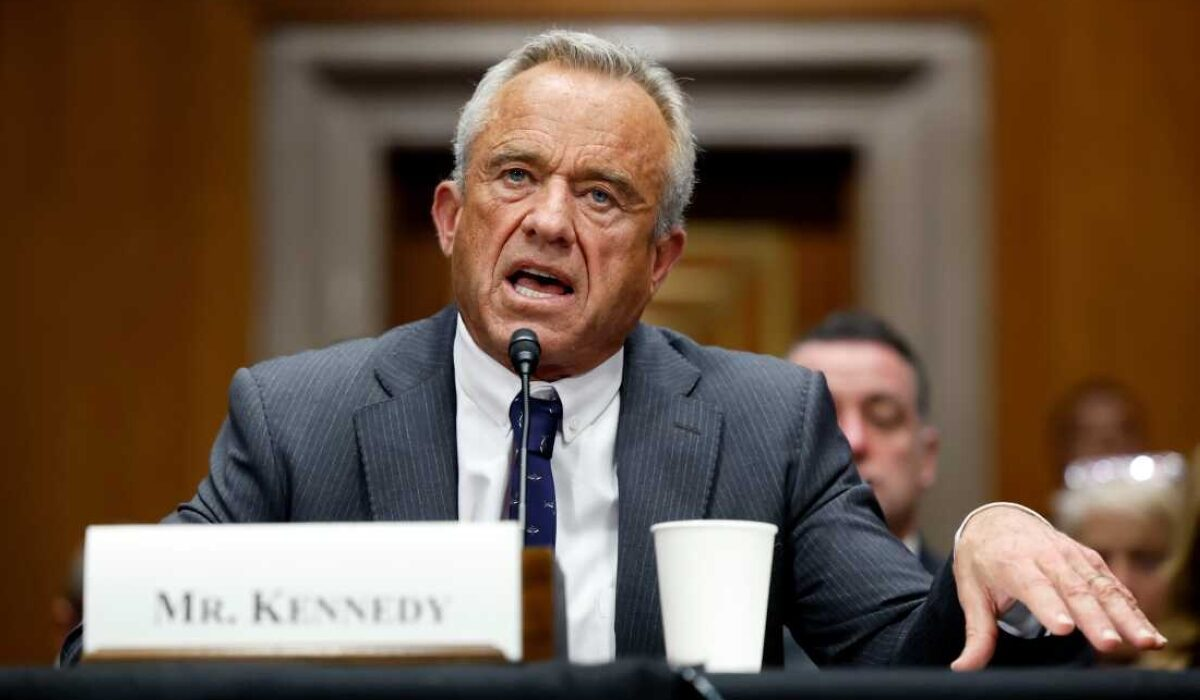
A United Nations pact aimed at combating noncommunicable illnesses has been put on hold by the United States, forcing a vote in the General Assembly next month.
On Thursday, September 25, in New York, world leaders met at the United Nations to endorse a political declaration that some believe is a significant step in tackling the global increase in chronic diseases like diabetes, heart disease, cancer, and mental health issues.
The document had widespread international support and was anticipated to be accepted by consensus following months of talks. However, pointing to incorrect terminology and what he called a defective methodology, U.S. Health and Human Services Secretary Robert F. Kennedy Jr. said that the United States government would not support the proclamation.
Kennedy stated during the meeting, “We will walk away from the declaration, but we will never walk away from the world or our commitment to end chronic disease.”
He clarified that the declaration opposed any suggestion of an abortion right and made allusions to “destructive gender ideology.”
The U.S. delegation criticized the document’s recommendation to integrate chronic disease care into larger health systems, such as maternal and reproductive health services, even though it makes no mention of abortion.
Kennedy opposed vague plans to tax unhealthy goods and had concerns about parts of the statement on international health governance and taxation, calling the management “oppressive.”
The U.S. refusal caught many diplomats off stride, especially given an earlier agreement attempted to secure consensus and avert political disagreements at the meeting. The proclamation has widespread support and demonstrates widespread government compromise, according to U.N. General Assembly President Annalena Baerbock.
The proclamation will now be put to a vote in the General Assembly in October rather than being adopted right away.
Over 70% of fatalities worldwide are attributed to chronic illnesses, and the proclamation is seen as a key political signal to improve nations’ responses to these diseases.
The NCD Alliance, a global network of health organizations, pointed out that the paper omits mention of fossil fuel pollution, a major cause of respiratory disease, and avoids making concrete promises on taxes on alcohol, tobacco, and sugary drinks.
“This is still a significant step forward for global health, even though it sidelines civil society and weakens prevention language,” the group stated.