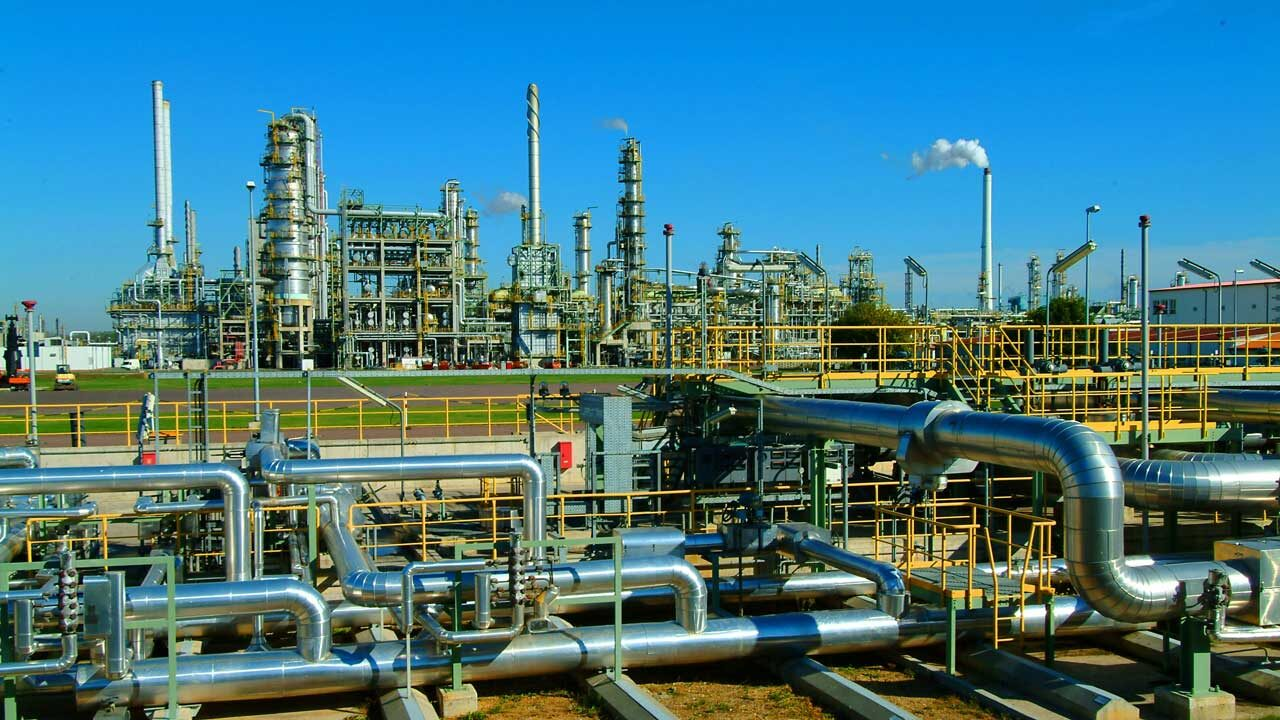
The Dangote oil refinery in Nigeria announced on Friday that it had let go of a few employees, blaming sabotage in different sections. This drew criticism from an oil workers’ organization, which claimed that over 800 Nigerian workers had been let go.
According to a statement from the Petroleum and Natural Gas Senior Staff Association of Nigeria, or PENGASSAN, the workers were wrongfully fired and replaced by over 2,000 Indian workers.
The largest refinery in Africa, capable of processing 650,000 barrels of crude per day, has established a new swing supplier in the Atlantic Basin that has the potential to change the way that fuel is traded globally.
“This is not a random exercise to address recent reports about the current reorganization within its site. The refinery said in a statement that it was now required to protect it from recurring acts of sabotage that had compromised operating efficiency and generated safety concerns.
Whether the layoffs would impact output or the number of employees who lost their jobs were not confirmed. It stated that the plant still employs over 3,000 Nigerians.
One employee was informed that they were sacked with effect from the evening of September 25 in a letter from the refinery that Reuters was able to view.
A PENGASSAN representative said that employees were let off because they joined a union.
“This is completely wrong, and we condemn it in its entirety,” PENGASSAN secretary general Lumumba Okugbawa stated.
In their statement, the refinery claimed to support globally recognized labor standards, such as each employee’s freedom to choose whether or not to become a member of a union.
Dangote closed its petrol station in late August for renovations that would probably take two to three months.
Shipping monitoring provider Kpler reports that the refinery, which started processing crude in January 2024, exported more fuel oil in September.
When modern oil refineries undergo maintenance or an outage, they usually export larger amounts of fuel oil.