A new deal announced this week between the manufacturer, Gilead, and charitable organizations would make lenacapavir, a long-acting injectable medication used to prevent HIV, available for $40 annually in more than 120 low- and middle-income nations.
A generic version is anticipated to be released in 2027, subject to regulatory approval, however the drug now costs about $28,000 per person yearly.
The drug’s manufacturer, Gilead Sciences, reached an agreement with a number of international health partners, including the Clinton Health Access Initiative, the Bill & Melinda Gates Foundation, and the South African research organization Wits RHI, which led to the increased pricing.
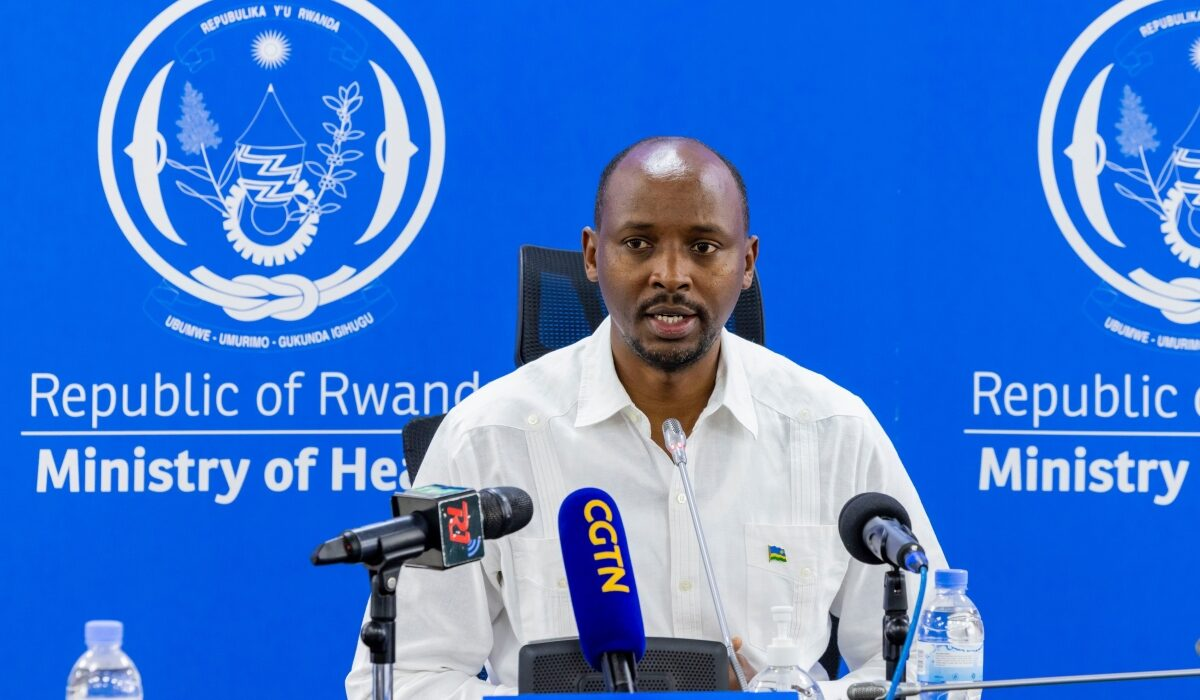
In response to the announcement of the new agreement, Rwanda’s Minister of Health, Dr. Sabin Nsanzimana, called it a “big step for HIV prevention.”
“In low- and middle-income nations, lentacapavir, a twice-yearly injectable that has been demonstrated to be almost 100% protective, will be made available for just $40 per patient annually.
According to experts, the medication has the potential to revolutionize prevention, particularly for underprivileged populations and youth who find it difficult to attend clinics on a regular basis.
With each injection, lenacapavir provides six months of HIV protection. It is administered twice a year. It functions by stopping the virus’s ability to replicate within human cells.
Lenacapavir was approved for HIV prophylaxis by the World Health Organization in July. Additionally, the European Commission and the US Food and Drug Administration have authorized it.
The drug’s trials have yielded promising results. Gilead claims that a 2024 study found that the trial period was 100% successful in avoiding HIV infection.
Within the following 18 months, a new version of the medication is anticipated to be released, which will be manufactured by generic producers. The goal of the price reduction is to increase access, especially in nations with high infection rates and scarce medical resources.
The current gold standard for HIV protection, daily oral PrEP (pre-exposure prophylaxis), costs about $40 annually but must be taken consistently every day. Access and adherence have been difficult as a result, particularly in communities where stigma or practical obstacles exist.
Only 18% of those who could benefit from PrEP currently have access to it, according to the Gates Foundation. Lenacapavir’s longer-lasting protection may help overcome some of the drawbacks of daily oral prophylaxis.
According to a modeling research referenced by international health organizations, up to 20% of new infections may be avoided if only 4% of the at-risk population had access to the injection.
The latest deployment coincides with persistent worries about HIV prevalence around the world. Globally, there are currently over 40 million people living with HIV, according to the UNAIDS agency.
Over 600,000 fatalities and 1.3 million new infections were attributed to AIDS-related disorders in 2024.
According to Dr. Nsanzimana, who spoke at the 13th International AIDS Society (IAS) Conference on HIV Science in Kigali in July, Rwanda is considering using the novel HIV preventive medication and is presently in the planning and consultation stage. Once agreements are finalized, implementation is anticipated.
“Long-acting injectable treatment is being worked on and will soon be incorporated into Rwanda’s national HIV care guidelines,” he stated.
The government has met the UNAIDS 95-95-95 targets ahead of the 2030 global deadline, reducing new HIV infections by 82% and AIDS-related deaths by 86%.
According to UNAIDS’ 95-95-95 aims, 95 percent of individuals living with HIV should be aware of their status, 95 percent of those receiving treatment should be on antiretroviral therapy (ART), and 95 percent of those receiving treatment should have viral suppression.