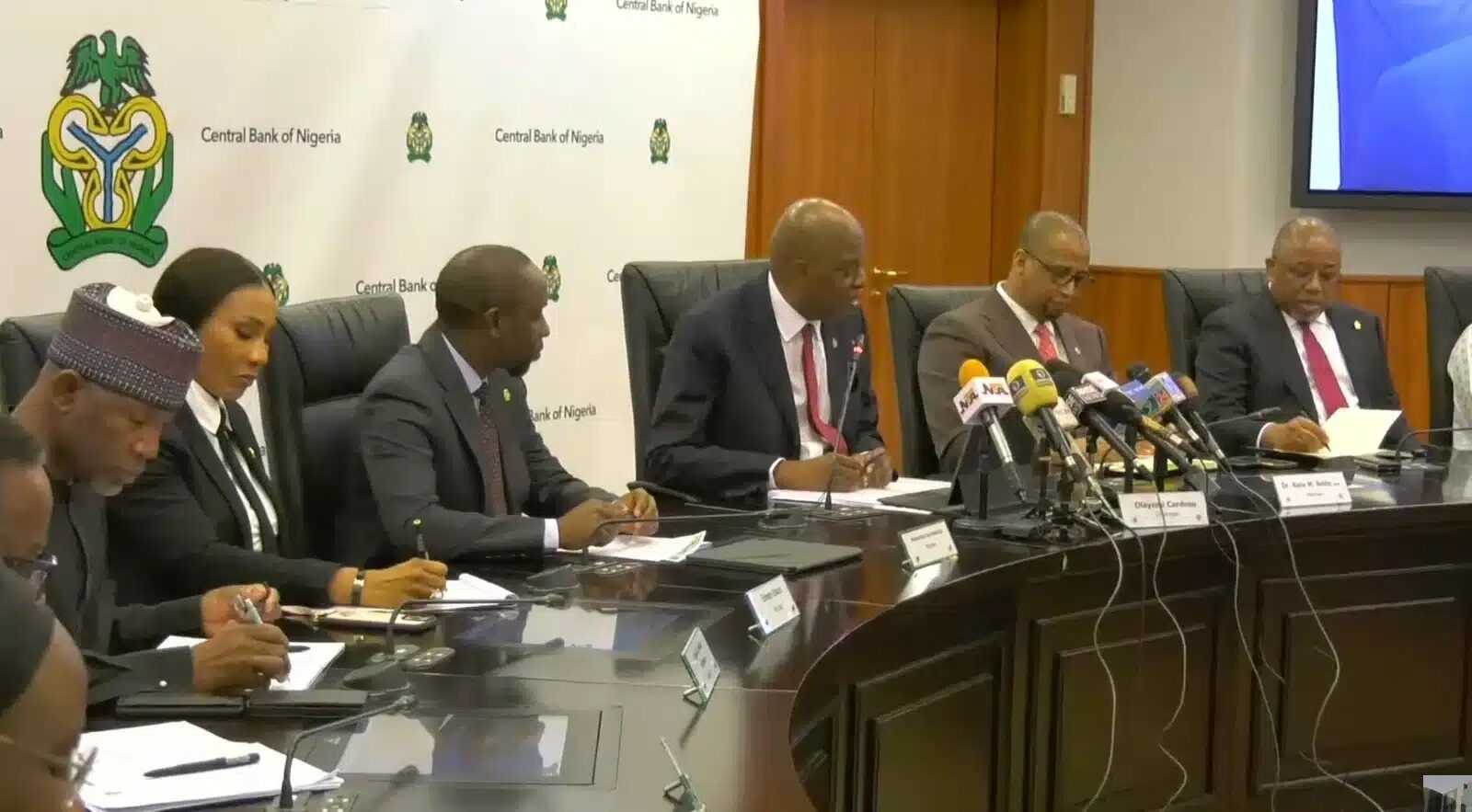
Nigeria’s central bank lowered its key lending rate by 50 basis points on Tuesday, the first such decrease since 2020, as the country’s inflation rate declines from extremely high levels.
By this action, the Monetary Policy Rate of the Central Bank of Nigeria has increased to 27%. A new tab is opened (NGCBIR=ECI).
After six rises in 2024 and three “hold” decisions this year, Reuters polled economists who had forecast a 75 basis point decrease.
Governor Olayemi Cardoso of the central bank stated that the rate drop was justified by the need to boost the economy and forecasts of falling inflation for the remainder of the year.
The Monetary Policy Committee “will remain proactive through a data-driven policy response,” he added, expressing satisfaction with the macroeconomic indicators’ improvement.
According to data released on Monday, economic growth increased to 4.23% year over year (NGGDPQ=ECI), the fastest pace in around four years, and opened a new tab in the second quarter.
The naira has strengthened by almost 3% against the dollar this month after remaining relatively constant throughout July and August, while headline inflation (NGCPIY=ECI) opened new tab fell to 20.12% year-on-year in August, marking the fifth consecutive decline.
The central bank, according to Cardoso, aimed for single-digit inflation.
Following President Bola Tinubu’s actions to devalue the naira and reduce subsidies since assuming office in 2023, inflation in Africa’s most populous nation reached recurrent 28-year highs last year.
However, since the statistics agency changed the weight of the goods in its price index and altered its base year, it has been on a downward slope this year.
According to a research note by Capital Economics analyst David Omojomolo, he anticipates an aggressive easing cycle with a another 700 basis points of policy rate decreases by the end of next year.