Trump and Xi advance their TikTok agreement and schedule a meeting in South Korea
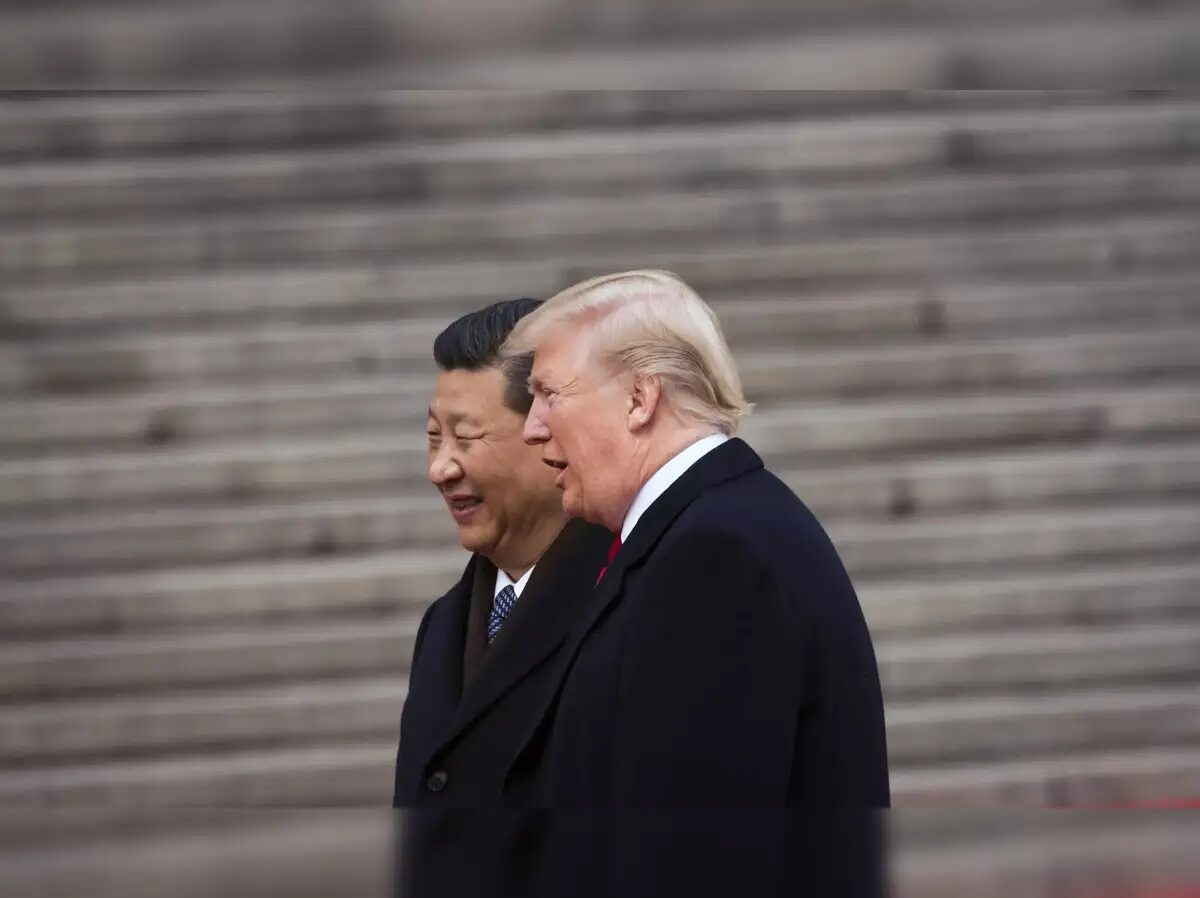
U.S. President Donald Trump announced that he and Chinese President Xi Jinping had reached an agreement on TikTok and will meet in person in South Korea in six weeks to talk about trade, illegal narcotics, and Russia’s war in Ukraine.
The first meeting between the leaders of the two nations in three months seemed to ease tensions, but it was unclear right away whether the call produced the clear consensus that was anticipated regarding the future of the well-known short-video app.
On the sidelines of the Asia-Pacific Economic Cooperation summit, which begins in Gyeongju, South Korea, on October 31, the leaders did promise to hold additional discussions.
Trump added that Xi would visit the United States later and that he would travel to China early in the new year. According to earlier reports from Reuters, the two parties were organizing such a meeting.
Trump told reporters in the Oval Office, “He approved the TikTok deal,” but he did not rule out a ceremonial signing of the pact. “The TikTok deal is well on its way.”
During the call, which lasted almost two hours, Trump also proposed constructive progress on trade, fentanyl, and the conflict between Russia and Ukraine.
Regarding Xi’s perspective on the conflict between Russia and Ukraine, Trump stated, “I think he would like to see it ended.”
One of the obstacles Trump had to overcome to keep TikTok online was Beijing’s final ratification of a framework agreement the two parties negotiated this week. Congress had mandated that if Chinese owner ByteDance would not sell the app’s U.S. assets, it would be shut down for U.S. users by January 2025.
No formal agreement on TikTok was mentioned in China’s announcement. Trump had hinted at the possibility of a deal several times this week.
As stated in a statement, “China’s position on the TikTok issue is clear: The Chinese government respects the wishes of the company in question,” and it demanded that its enterprises not be treated unfairly.
“The U.S. will work with China on the economy and trade, and support their teams in reaching a proper deal on TikTok through consultation.”
Requests for additional comment were not immediately answered by the Chinese government or the White House.
Craig Singleton, a senior scholar at the think tank Foundation for Defense of Democracies, stated, “Washington is chasing a TikTok headline and a summit, and hopes, I think, for more wins later, while Beijing is banking on optics and time.” “I think the Chinese are very happy with the current dynamic.”
In a statement released early on Saturday, ByteDance thanked Trump and Xi “for their concern for TikTok” and said it will seek to find a means to continue serving American users while adhering to Chinese regulatory requirements.
Some citizens of Shanghai voiced doubts about the Trump administration’s sincerity in attempting to strengthen ties between the two nations.
Lin Jinqi, 22, stated, “I don’t really believe the U.S. wants a ‘win-win’ situation.” “It appears that the United States merely desires to rule.
“So in many areas, they deliberately set up obstacles for China,” he stated. “We don’t go looking for trouble, but we’re not afraid of it either.”
THE PERMANENT NATIONAL SECURITY ISSUE
While his government searches for a new owner, Trump has refused to implement the TikTok rule. He reportedly has concerns that a ban on the app will enrage TikTok’s massive user base and interfere with political discussions.
There are still important uncertainties about the agreement. These include whether Congress will approve, what concessions Trump will want from the parties involved, the exact ownership structure of the company, and the degree of control China will maintain over the inner workings of the app.
Trump told reporters, “It’s all being worked out,” in response to a query about who would dominate the app’s algorithm: China or the United States. “We’re going to have very tight control.”
When asked if a board seat will be under U.S. government control, Trump responded, “We’re going to announce it.”
Additionally, he hinted that the U.S. government would collect a fee for mediating an agreement to maintain TikTok’s online presence, although he clarified that this clause “hasn’t been fully negotiated.” According to the Wall Street Journal, the cost would be in the billions.
ByteDance’s U.S. assets will be transferred to TikTok’s U.S. owners as part of the deal, according to Reuters. According to people familiar with the agreement, ByteDance’s algorithm would continue to be used by U.S. TikTok.
Lawmakers are concerned about the deal because they believe Beijing may use the app to spy on Americans or carry out influence operations. According to China, there is no proof that the app poses a threat.
Trump’s tariffs target the export economy of China.
Trump has significantly increased tariffs on all goods since retaking office in January, and he has imposed particularly harsh rates on China’s export-driven economy. That led to a reciprocal response from China. In April, tariff rates increased to triple-digit percentages on both sides of the Pacific.
Since May, the countries’ tit-for-tat tariff battle has been put on hold by a series of modest deals.
One of the main tenets of Trump’s economic strategy has been taxes on American importers. He has elevated them to their highest heights in almost a century while presenting a deal-making and peace-seeking foreign policy stance.
The Republican has presented tariffs as a means of restoring lost manufacturing jobs, reducing long-term federal deficits, balancing out perceived trade imbalances, and influencing other nations to comply with Washington’s demands. Many economists believe that universal tariffs are ineffective because they increase consumer costs and restrict their options.
China is still America’s third-largest trading partner and the source of its biggest bilateral goods trade deficit, notwithstanding the tariffs. Both the US and China’s economies are declining, according to recent data.
Punitive duties against Chinese exports linked to the nation’s purchases of Russian oil have been threatened by Trump but have not yet been implemented.
Meanwhile, regional concerns are growing over Taiwan and the South China Sea, dangerous hot spots that don’t garner as much attention in Washington as the wars in Gaza and Russia-Ukraine.
Taiwan was not mentioned in either nation’s post-call statements.
The United States’ requests that China suppress the export of compounds linked to fentanyl, a factor in overdose deaths in the United States, are among the other important topics. Washington has been charged by Beijing with misrepresenting the situation.