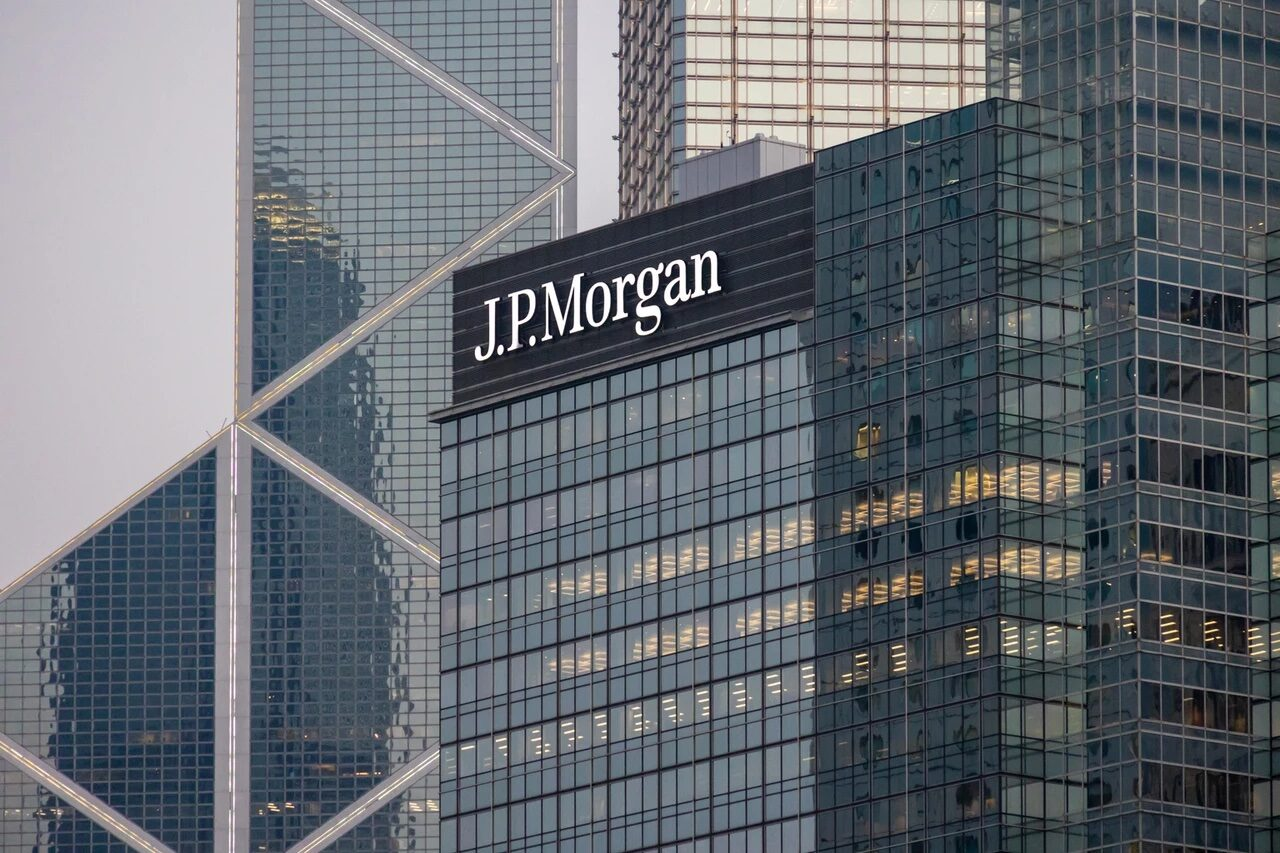
One of Angola’s top debt officials told Reuters that the country will decide by November whether to renew its $1 billion total return swap deal with JPMorgan or try to get more money from foreign capital markets.
JPMorgan and Angola made a deal in December for a total return swap worth $1 billion over the course of one year. The deal is backed by $1.9 billion in government dollar bonds and will end at the end of this year.
Dorivaldo Teixeira, General Director of the Public Debt Management Unit at Angola’s finance ministry, told Reuters while he was in London meeting with investors, “We have some options.”
If the market conditions were right, Angola could borrow money to get the money it needs, pay it back in part, or make the present deal last longer.
It’s up to the price, he said. He said that interest rates were “going in the right direction” for smaller, riskier issuers and that market conditions were getting better for them. However, he also said that the JPMorgan facility cost was less than the country’s Eurobonds and that “if I can extend it, probably I will use it.”
KEEPS THE PRICES DOWN
JPMorgan EMBI data shows that the yield on Angola’s foreign bonds is about 10% right now.
He did say that Angola would try to get a better deal than the 9% it was paying now, whether it came from the bank or the markets. The total return swap’s full terms have never been made public.
In April, when U.S. tariffs caused oil prices and Angola’s bonds to drop sharply, the deal made news when Angola had to pay $200 million to JPMorgan as extra security for its collateralized bond in a margin call.
The country also needs to pay back a dollar-denominated bond it sold in 2015 for just over $860 million in November.
Finance officials are also trying to be more open by putting out debt data more often, Teixeira said. The debt bulletin is now being released every three months by the finance ministry. Starting next year, it will be released every month, and the ministry will make sure that important information and data are available in both English and Portuguese.
“The risk of Angola was seen as a little higher because we didn’t talk as much.” In an interview late Thursday night, Teixeira said, “People need more information about what’s going on.” He also said that he thought this would help lower Angola’s borrowing costs.
WATCH OUT FOR CRUDE
Finance officials want a more careful oil price assumption in the 2026 budget, Teixeira said. This is because the government had to stress-test its 2025 spending because prices fell below their $70 per barrel assumption.
The price of Brent crude is $67, and Teixeira said that the drop in revenue could make the final budget shortfall numbers higher than expected.
“One of the lessons that we learned from this, from this process, is probably next year, we should take a little bit more conservative approach that will help us to execute the budget in the most seamless way.”
Teixeira refused to say what the price would be, but he did say that officials’ assumptions are based on what the best analysts think will happen.
Prices are expected to go down next year, according to a poll by Reuters. In the second quarter of 2026, Brent is expected to be worth $62.98.