Maduro proposes to speak with Trump ambassador Grenell directly
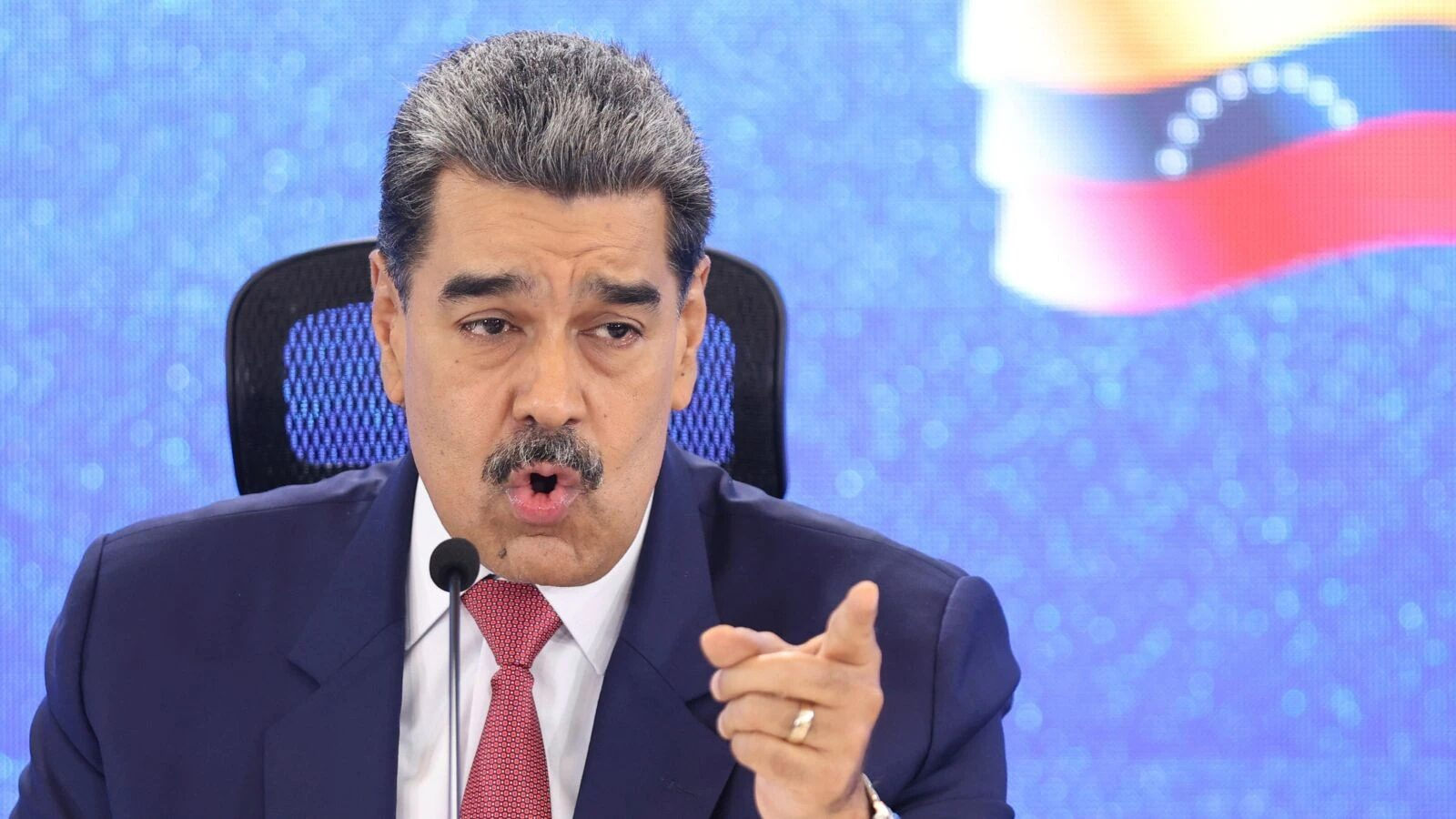
Days after the U.S. launched its first assault on a boat from Venezuela that Trump claims was transporting drug traffickers, Venezuelan President Nicolas Maduro offered to hold direct discussions with the U.S. government.
Just 5% of drugs made in Colombia are delivered through Venezuela, he claimed, adding that 70% of those drugs were neutralized and destroyed by Venezuelan officials. Maduro denied U.S. allegations that Venezuela was involved in drug trafficking in a letter to Trump that was seen by Reuters.
“President, I hope that together we can defeat the falsehoods that have sullied our relationship, which must be historic and peaceful,” the letter read. “These and other issues will always be open for a direct and frank conversation with your special envoy (Richard Grenell) to overcome media noise and fake news.”
Adding, “To date, this channel has functioned flawlessly,” he said Grenell had contributed to the speedy resolution of previous claims that Venezuela was refusing to repatriate migrants.
Despite the U.S. strikes, Reuters was informed by people familiar with the situation that deportation flights carrying illegal migrants from the U.S. to Venezuela have been operating without interruption twice a week.
Maduro’s letter was sent on September 6, four days after the United States struck a ship that the Trump administration blamed for transporting drug traffickers without providing any proof. Trump said the strike killed 11 persons involved in drug trafficking and belonging to the Tren de Aragua gang.
At first, the White House remained silent.
Trump intensified his pressure campaign on Saturday, launching a new tab. In a post on his Truth Social platform, he threatened to impose “incalculable” costs on Venezuela unless it accepts the repatriation of all the inmates it has brought into the United States.
Amidst a massive U.S. military buildup in the southern Caribbean that includes seven warships, a nuclear-powered submarine, and F-35 stealth fighters, Trump declared at least the third strike and opened a new tab against alleged drug vessels from Venezuela on Friday.
Trump claimed that the attack killed “3 male narcoterrorists aboard the vessel,” but he offered no proof.
The Venezuelan government has claimed that none of the victims of the initial strike were Tren de Aragua, despite claiming that it has sent tens of thousands of troops to combat drug trafficking and protect the nation. It also refutes claims that drug gangs and high-ranking Venezuelan officials have relationships.
Maduro claims the United States wants to remove him from office on several occasions. While Washington last month upped its prize for information leading to Maduro’s arrest to $50 million, charging him of having ties to criminal organizations and drug trafficking, Trump denied this week that he was interested in revolutionizing the system.
In his correspondence with Trump, Maduro restated his denial.
“This is the most egregious instance of disinformation against our nation, intended to justify an escalation to armed conflict that would inflict catastrophic damage across the entire continent,” he said in his letter to President Trump.
With Grenell, who was acting director of national intelligence during Trump’s first term, and others advocating diplomacy, and Secretary of State Marco Rubio and Secretary of Defense Pete Hegseth leading the pressure campaign against Maduro, the Trump administration seems split on Venezuela.
Maduro said that he had spoken with Grenell, who assisted in planning the deportation planes, some of which went straight to Caracas and others via Honduras, and that he would keep in touch with him.
To date, the flights have taken more than 8,000 Venezuelans out of the United States, according to the administration official. It was impossible for Reuters to confirm the figures.
Grenell also collaborated with the Maduro government to win the release of seven American citizens, including Joe St. Clair, a veteran of the Air Force who was freed in May after his family claimed he had been wrongfully imprisoned in Venezuela since November 2024.
Grenell did not immediately respond to requests for comment.
The senior fellow at the Atlantic Council think tank, Geoff Ramsey, stated that Maduro was “clearly making overtures.” “The White House is wondering how they can win this battle. Maduro has no intention of giving the Americans or the opposition in Venezuela his head on a silver platter…
According to Ramsey, the U.S. buildup was intended to incentivize the opposition to topple Maduro, but that tactic had been tried and failed for decades.
The Center for Strategic and International Studies associate fellow Henry Ziemer pointed out that although Trump was obviously opposed to entanglements, more focused attacks were probably in the cards.
“I don’t think Trump wants a war, and Maduro certainly doesn’t want a war,” Ziemer claimed. “However, the more resources you invest in the area, the more chances there are for a mistake. There’s a chance that we’ll find ourselves in a situation where neither Trump nor Maduro may give up.”