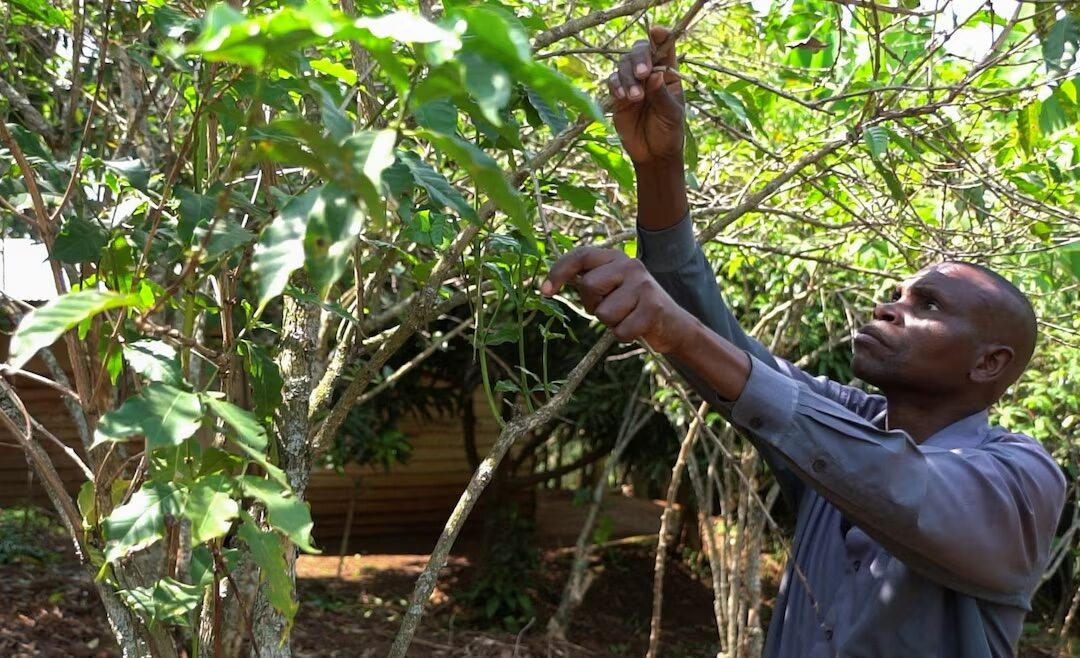
Coffee crops in the eastern Democratic Republic of the Congo’s verdant highlands are decaying and withering because farmers have been unable to tend to their land this year due to an intensification of the region’s decades-long conflict.
At the beginning of the year, the government and Rwanda-backed M23 rebels intensified their fighting as the rebels took control of major cities in the provinces of North and South Kivu, which are important coffee-growing regions famed for their premium Arabica beans.
Thousands have been slain in the most recent fighting, and hundreds of thousands more, including farmers, have been displaced. Additionally, they have obstructed export channels, which could limit the nation’s coffee industry’s impressive revival after years of collapse.
According to U.N. figures, Congo’s annual production of coffee beans reached 100,000 metric tons in the late 1980s. However, when DRC forces and other armed groups engaged in terrible battles stemming from the 1994 Rwandan genocide, the country’s production decreased precipitously in the 1990s.
According to U.N. figures, output increased once more over the previous ten years, reaching little over 62,000 tons in 2023.
South Kivu province cooperatives like SOPACDI were gaining international acclaim for its high-quality beans, and advancements in production techniques and strengthening international market ties had been made.
Those accomplishments are now in jeopardy.
During a Reuters visit earlier this month, rows of drying beds at the state-run coffee mill in Bukavu, the city of South Kivu, were left vacant.
Although coffee bushes flowered in abundance this year, conflict and banking problems have hurt exports, according to François Kambale Nzanzu, director of the state agriculture office that manages exports.
“We had a lot of coffee, but there weren’t many exporters this year,” Nzanzu stated.
Farmer Mudekereza Kashugushu Celestin looked across his plantation in Muganzo, South Kivu, where shrivelled beans and fallen trees covered the ground.
“The coffee I had is completely gone. He remarked, “Even those that are left are already dry and rotten.”
Due to the damage, he is finding it difficult to provide for his family and for his kids’ tuition.
“I used to harvest $300 worth of coffee each year, but this year I only got $50,” claimed the man.