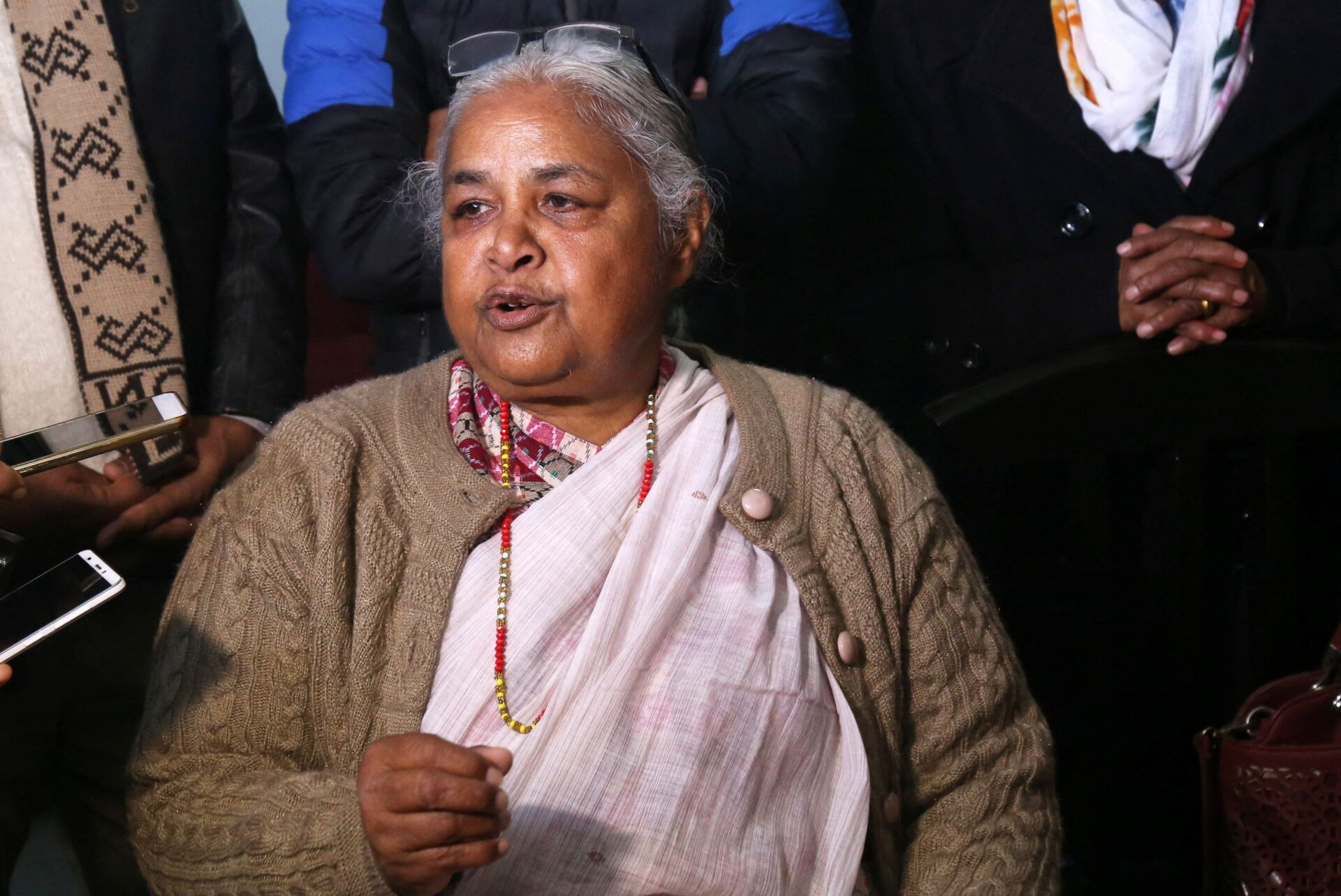
Nepal’s president dissolved parliament, made Sushila Karki temporary prime minister, and set elections for March 2026 after protests that killed many people.
President Ramchandra Paudel of Nepal disbanded parliament on Friday and called for new elections on March 5, 2026. This was just hours after naming former Chief Justice Sushila Karki as the country’s first female Prime Minister.
The move came after a week of violent anti-corruption protests lead by young people, who were called the “Gen Z” movement. These protests forced Prime Minister K.P. Sharma Oli to step down. More than 1,300 people were hurt and at least 51 people died in Nepal’s worst unrest in years.
An announcement from Paudel’s office said, “The President dissolved the House of Representatives… and set Thursday, March 5, 2026, as the date for the elections.”
Two days of heated talks between the president, Ashok Raj Sigdel, the head of the army, and protest leaders led to Karki’s appointment. Her temporary leadership is seen as a middle ground meant to bring back security after the earlier rollback of the social media ban that caused the uprising.
India, which is to the south of Nepal, was happy about the changes. This is what Prime Minister Narendra Modi wrote on X: “Congratulations to the Honorable Sushila Karki Ji on becoming Prime Minister of Nepal’s interim government.” India is fully dedicated to the peace, growth, and well-being of Nepal’s sisters and brothers.
After Oli quit on Tuesday, the violence that had stopped normal life started to get better. By Friday, stores were open again, cars were driving again, and cops were using batons instead of rifles to try to ease tensions.
Nepal is a 30 million-person country between China and India. Since it got rid of its monarchy in 2008, it has had a lot of problems with political and economic unrest. Nepal has an ongoing job shortage that forces millions of young Nepalis to look for work abroad, mostly in the Middle East, South Korea, and Malaysia.