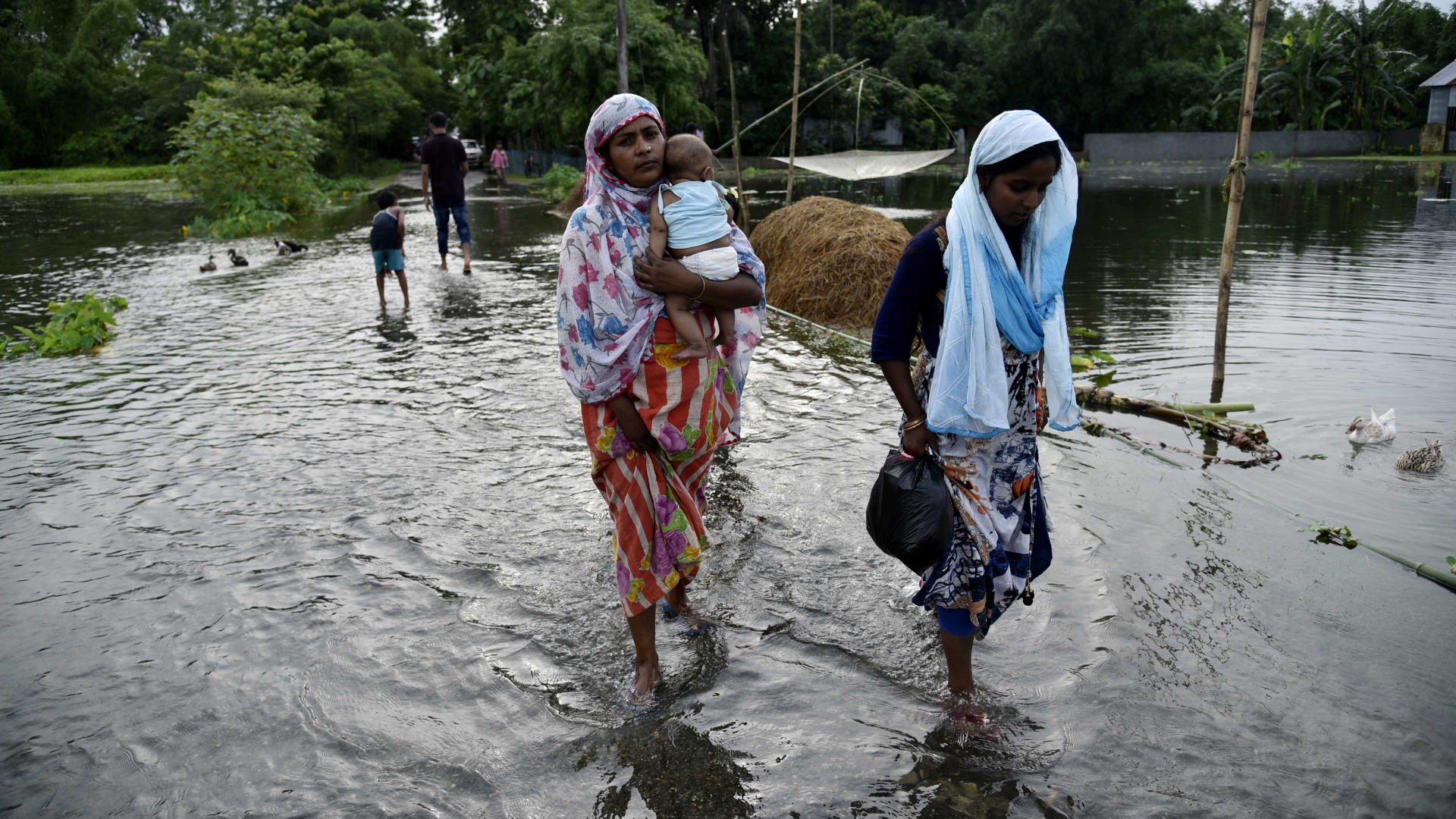
A World Health Organization (WHO) report claims that poverty, poor living conditions, and climate change are causing millions of people to die before their time.
According to the WHO, approximately 130 million people may experience severe poverty within the next five years as a result of climate change.
According to the findings, the location of a person’s birth might affect their life expectancy by up to 33 years. Social and economic groups have different health outcomes within nations, and these differences are widening.
The WHO claims that the majority of these disparities are brought about by living circumstances rather than a lack of access to healthcare. These include of things like wages, housing, food, education, working conditions, and basic service accessibility.
Reducing health disparities associated with wealth could avert 1.8 million child fatalities annually in low- and middle-income nations. Additionally, the analysis reveals that a mere 0.1% increase in a nation’s expenditures on social services like housing and labor rights might enhance the health of 150,000 people in a 40 million-person population in just four years.
The risk of a child dying before turning five is 13 times higher in low-income countries than in high-income ones. Globally, there were 197 deaths for every 100,000 births in 2023. The life expectancy of indigenous communities is also lower than that of other ethnicities in both developed and developing countries.
One major factor is economic disparity. 15 times as much is made by the richest 10% of persons in 201 countries as by the lowest 50%. Within nations, economic disparity has almost doubled in the last 20 years.
Basic social protections like paid sick leave and child support are unavailable to almost 3.8 billion people. Many governments’ high debt levels and ineffective tax structures leave them unable to afford these services. Interest payments have quadrupled in the last ten years in the 75 poorest nations, making it more difficult to invest in infrastructure, education, and health.
Inequality of gender is another element. Approximately 2.4 billion working-age women lack the same access to economic possibilities as men in the same group. As a result, household income declines and access to health-promoting resources is restricted.
Climate change
The strain is rising due to climate change. People rely on natural resources for fuel, food, and water in many low-income areas. The WHO stated that women and girls, who are frequently in charge of gathering them, must go farther and run greater risks to their health and safety as they grow more difficult to obtain.
Climate change is predicted to drive between 68 and 135 million people into extreme poverty over the course of the next five years. According to the paper, air pollution contributes to 7 million premature deaths annually and is directly associated with climate change and environmental deterioration.
For example, the number of persons who were forcefully relocated tripled to 122 million between 2008 and 2024, adding to the load. In their new communities, many people encounter a lack of social support and healthcare options.
WHO is urging countries to enhance living circumstances and lessen inequality by coordinating efforts across sectors, not just in health. This covers spending on social services, labor rights, housing, education, and climate protection.
WHO has revised its worldwide report on socioeconomic factors that impact health, developed training materials, and established a platform for nations to exchange knowledge in order to support the findings. It has also introduced a new mechanism to monitor progress.