China and Japan commemorate the conclusion of World War II on different dates, underscoring unresolved historical issues and escalating political and military concerns.
Eighty years after the end of World War II, China and Japan are celebrating the event in very different ways, on different dates, with different themes, and in the midst of fresh political tensions.
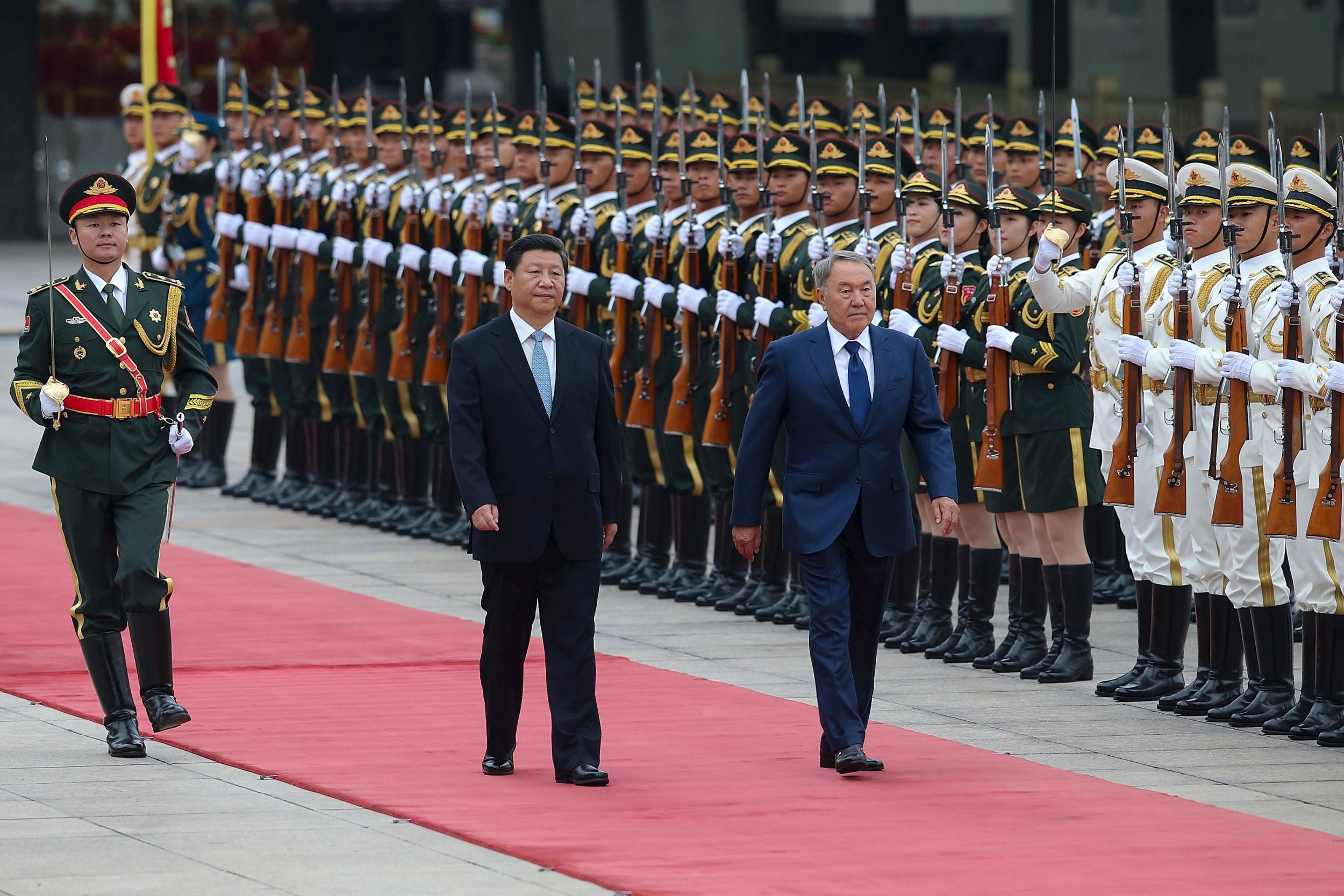
Every August 15, the day that then-Emperor Hirohito declared the nation’s surrender in a shivering radio broadcast in 1945, Japan observes a solemn ritual. China, on the other hand, commemorates the occasion on September 3 with impressive military shows, including a parade this year that will include fighter planes, tanks, and missiles.
The historical wounds and continuing animosity from Japan’s violent occupation of China during the war are reflected in these commemorations. An estimated 20 million people died as a result of the invasion, especially in what was then known as Manchuria in northeastern China. The Chinese resistance warriors who fought through hard winters in secret outposts before fleeing into Russia are honored in a museum in the city of Benxi. They didn’t come back until the Soviet Union attacked Nagasaki on August 9, 1945, the day the United States dropped its second atomic bomb.
Although Japan now portrays itself as a pacifist country, historical sensitivities have been rekindled by its recent efforts to bolster its military in reaction to regional threats, particularly those posed by China.
Beijing regularly uses Japan’s history of war as a shield against criticism of its own military buildup.
Chinese Foreign Ministry spokeswoman Guo Jiakun recently remarked, “Japan must reflect on its historical culpability,” accusing Tokyo of disguising its genuine military aspirations under the pretext of regional security.
Emperor Naruhito and the prime minister of Japan make statements during the August 15 event in Tokyo, which is televised live by national broadcaster NHK. At the occasion last year, Hirohito’s grandson Naruhito expressed “deep remorse” for Japan’s wartime actions.
Diplomatic tensions still exist, though. The same day, a number of Japanese cabinet ministers paid a pilgrimage to Yasukuni Shrine, which is viewed as a representation of imperial militarism by China and South Korea.
September 3, the day after Japan’s official surrender in Tokyo Bay aboard the USS Missouri, is celebrated as Victory Day in China.
At the ceremony, US Gen. Douglas MacArthur, delegates from the Allies, including China, and Japanese officials signed the surrender.
Since 2014, China has increased the number of Victory Day celebrations, in part to promote its own version of the war and refute Japan’s account. President Xi Jinping and other Communist Party officials raised the event’s profile that year by associating it with growing nationalism and the continuing East China Sea territorial conflicts with Japan.
Another significant parade is planned for this year, and Russian President Vladimir Putin is anticipated to make an appearance that highlights the growing relationship between Beijing and Moscow in a changing world.
Even though World War II ended decades ago, the political and historical reverberations are still very much present, particularly between Asia’s two biggest powers, who are still struggling with both the past and its implications for the future.