Trump Calls for the “Highly Conflicted” Intel CEO to Step Down Due to Alleged China Connections
Trump had demanded that Intel’s CEO resign, calling him “highly conflicted” over suspected ties to China.
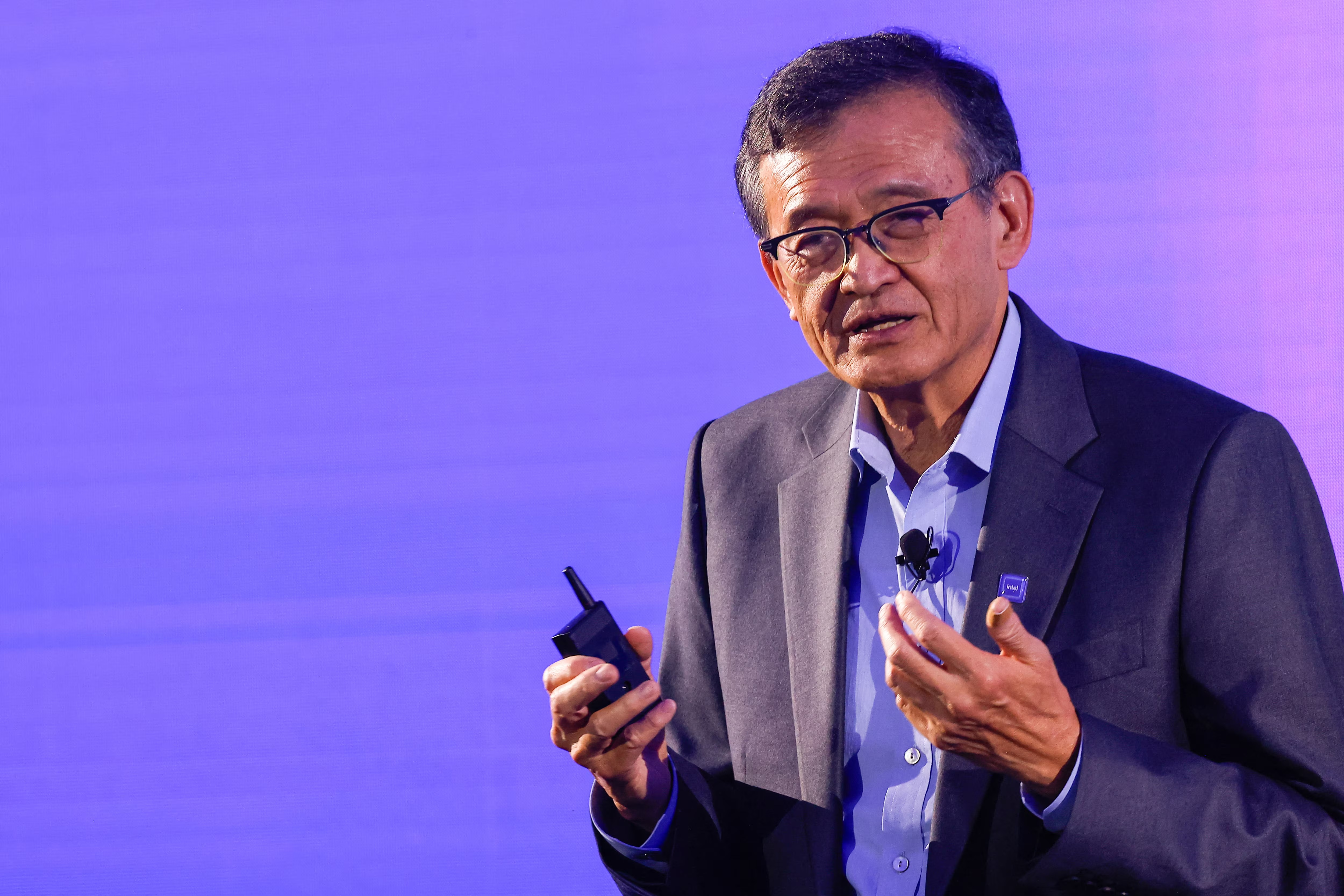
US President Donald Trump called incoming Intel CEO Lip-Bu Tan “highly conflicted” because of his connections to Chinese companies and cast doubt on his ability to turn around the faltering American chip giant. On Thursday, he urged that Tan quit immediately.
Tan spent at least $200 million in hundreds of Chinese advanced manufacturing and semiconductor companies, some of which were connected to the Chinese military, according to an exclusive April Reuters story.
A day prior to Trump’s remarks, it was originally reported that Republican Senator Tom Cotton had written to the chair of Intel’s board, raising concerns regarding Tan’s connections to Chinese companies and a recent criminal case involving his former company, Cadence Design.
“INTEL’s CEO is extremely conflicted and ought to step down right away. Trump stated in a statement on his Truth Social platform that there is no other way to solve this issue.
On Thursday, Intel’s stock ended the day 3% down. A shift in leadership might put additional strain on Intel, a key component of US initiatives to increase local chip production. In order to construct new plants in Ohio and other states, it obtained $8 billion in subsidies last year, the largest investment made possible under the 2022 CHIPS Act.
Tan stated that he agreed with the president’s dedication to strengthening the economic and national security of the United States.
Tan added in a statement on the company’s website that the board of Intel was “fully supportive” of the company’s efforts to restructure its operations and increase the production of sophisticated chips later this year.
“I am leading Intel in the same manner that I have built my reputation on trust—doing what I say I’ll do and doing it right.” “To address the issues brought up and make sure they have the facts, we are interacting with the Administration.”
Trump’s action provoked discussion among investors and was a unique occurrence for a US president to publicly demand the removal of a CEO.
It would be establishing a really bad precedent. Phil Blancato, CEO of Ladenburg Thalmann Asset Management, stated, “You don’t want American presidents to dictate who runs businesses, but his opinion definitely has merit and weight.”
“Although many investors probably think that President Trump has his hand in too many cookie jars, it’s just another signal that he’s very serious about trying to bring business back to the US,” said David Wagner, head of equity and portfolio manager at Aptus Capital Advisors, a stakeholder in Intel.
According to Intel, the company is investing heavily in support of Trump’s America First policy.
In a statement released on Thursday, the business stated, “We look forward to our continued engagement with the Administration.”
According to an April Reuters article, between March 2012 and December 2024, Tan personally invested in Chinese companies, including suppliers and contractors for the People’s Liberation Army, through venture funds he formed or runs. Reviewing Chinese company records and comparing them with lists of US and analyst companies that have ties to the Chinese military served as the basis for the reporting.
At the time, a person with knowledge of the situation told Reuters that Tan had sold his holdings in Chinese companies, but he did not elaborate. Reuters was unable to determine the scope of his divestitures because many of his investments were classified as current in Chinese databases that were inspected at the time.
From 2008 until December 2021, Tan, a Chinese American businessman with Malaysian ancestry, served as CEO of Cadence Design, a chip design software company that sent goods to a Chinese military institution suspected of simulating nuclear explosions. Last month, Cadence consented to pay over $140 million and enter a guilty plea in order to settle US allegations related to the sales, which were initially reported by Reuters.
According to Bernstein analyst Stacy Rasgon, “We don’t believe Lip-Bu is ‘conflicted,’ but given the nature of this administration the China ties seem to be creating an increasingly bad look.” “Unfortunately, Lip-Bu does not seem to have developed the kind of personal relationship with Trump that would help to assuage his ire, in contrast to other tech CEOs.”
“President Trump remains fully committed to protecting our nation’s economic and national security,” a White House official stated. This means making certain that recognizable American businesses in innovative fields are run by trustworthy men and women.