The US and South Korea will start joint drills on August 18. Some drills have been pushed back to ease concerns with North Korea.
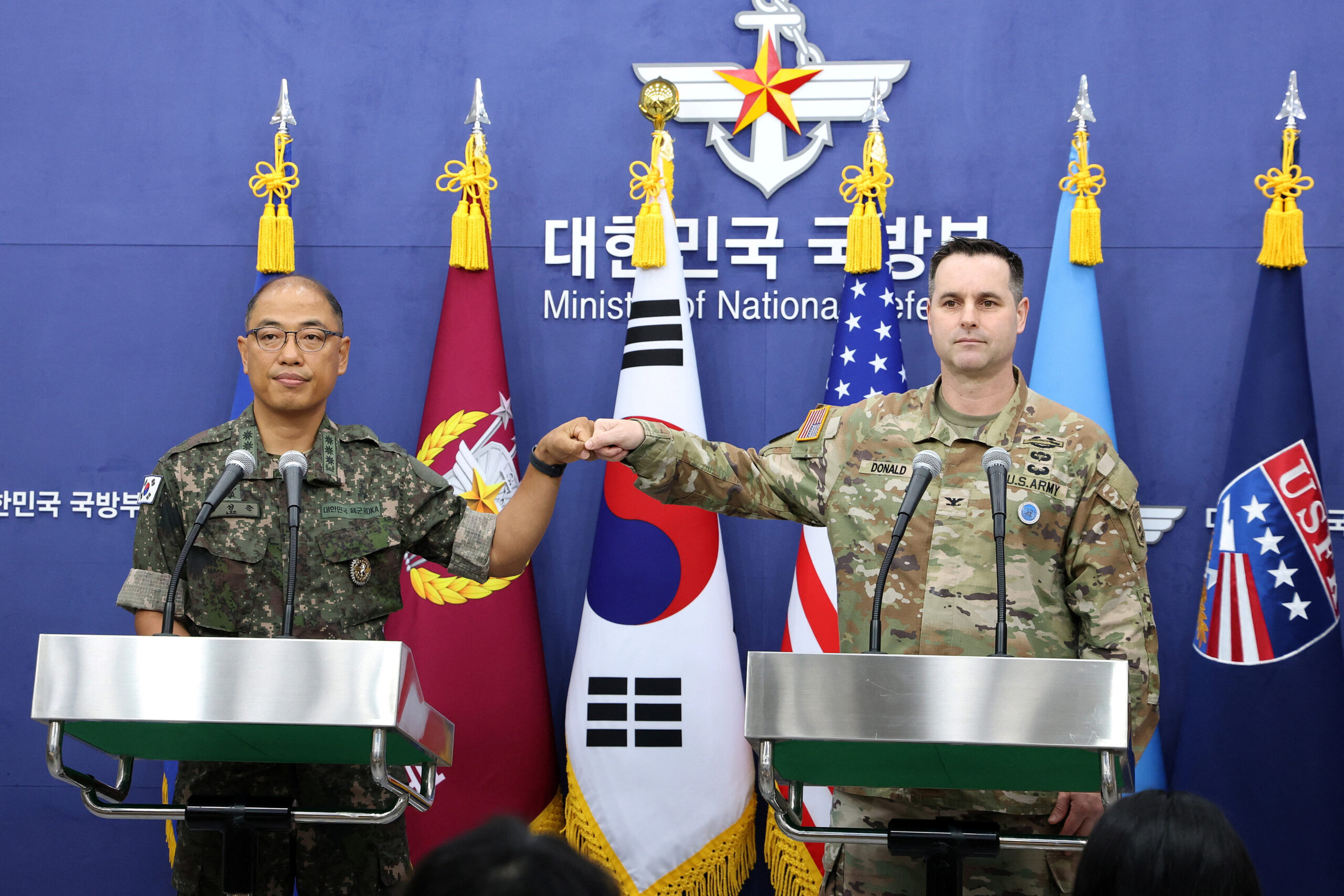
Every year, South Korea and the US hold Ulchi Freedom Shield military drills together. The first one will start on August 18, South Korean military officials announced on Thursday. But, in a rare move meant to ease tensions with North Korea, about half of the field training drills will be moved to September.
South Korea’s Joint Chiefs of Staff spokesman Lee Sung-jun said that the 11-day drills will be similar to the operations in 2024 in terms of size and scope, but 20 of the 40 field training events will be moved to a different date. The change happened because of many things, like the extreme summer heat and the need to keep defense readiness levels adjusted all year.
“This year’s exercise will focus on how to respond to North Korea’s growing nuclear threats and include lessons from new technologies used in recent wars in the Middle East and Ukraine,” Lee said. It is possible that the drills will not cover the chance of a nuclear test, but they will include things like a North Korean missile launch.
A senior official at South Korea’s Unification Ministry told Yonhap News Agency that the rescheduling was also meant to ease military tensions with Pyongyang and make way for possible dialogue, even though the government denied any political reasons for the decision.
President Lee Jae Myung’s government wants to improve ties between Koreas and start up negotiations again after they have been put on hold for a long time. As another attempt to make peace, South Korea took down border monitors that were playing anti-North Korean propaganda on Monday. Pyongyang had previously criticized this action.
North Korea, on the other hand, has been dismissive so far. State media source KCNA says that Kim Yo Jong, the powerful sister of leader Kim Jong Un, said that stopping the broadcasts was “not the work worthy of appreciation.”
Experts are still not sure that moving the drills around will lead to real political progress. Cheong Seong-chang, vice president at Seoul’s Sejong Institute, said, “North Korea won’t be happy with the change at all.” “The regime wants the drills with the US to end, not just be moved around a little.”
Pyongyang has long seen the joint drills as a practice run for an invasion, and they have always caused strong reactions and threats from North Korea. It’s still too early to tell if this year’s less busy schedule will be a turning point.