The U.N. children’s agency said Tuesday that as support is reduced and malnutrition cases continue to rise throughout Sudan, funding cuts are putting an entire generation of children at risk of irreparable harm.
The United States and other donor nations’ moves to reduce foreign aid financing have left UNHCR and other UN agencies facing one of the greatest funding crises in decades.
“Safe food, water, and medical care are scarce for children. UNICEF’s Representative in Sudan, Sheldon Yett, stated via video link from Port Sudan that “many good children are reduced to just skin and bones, and malnutrition is rife.”
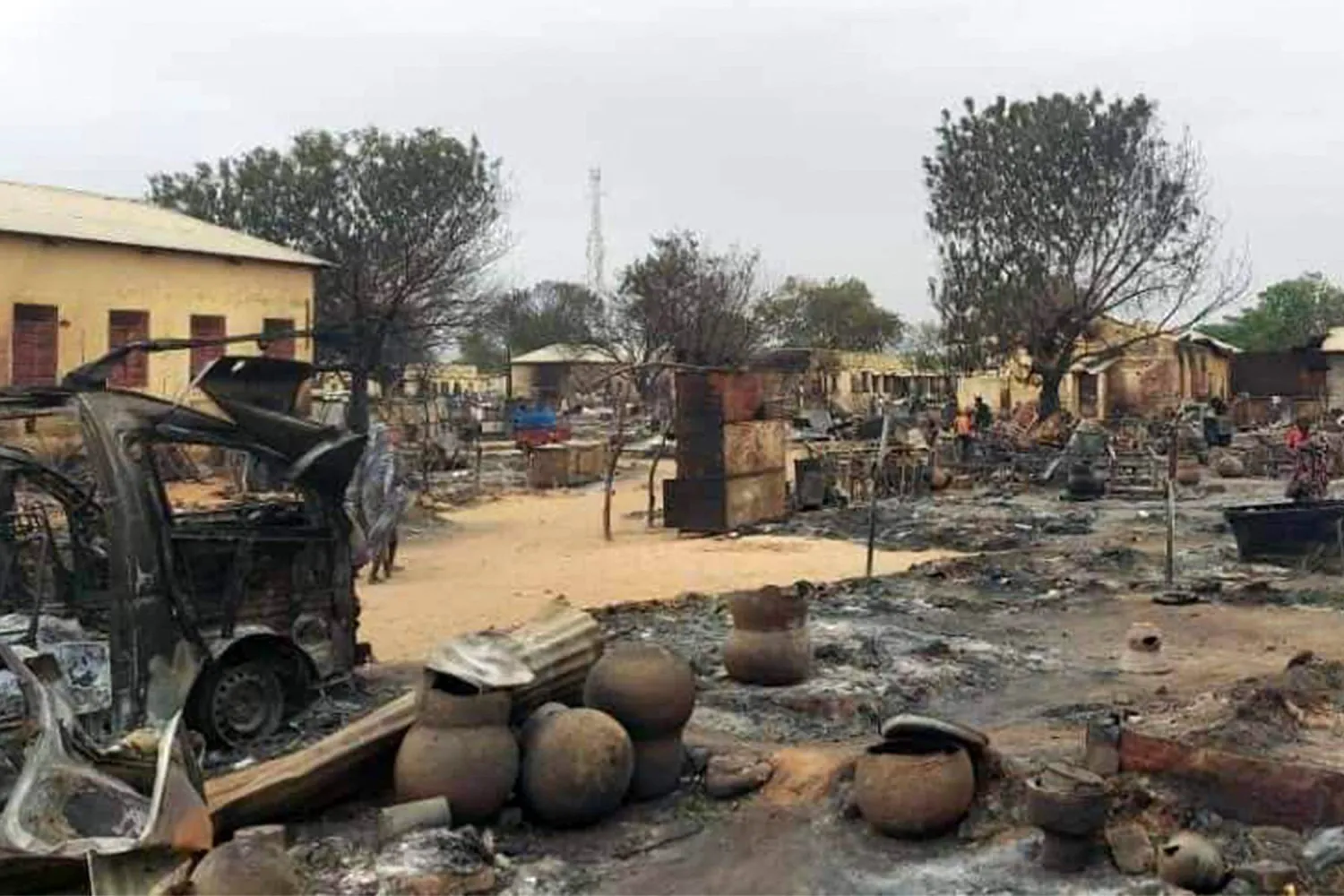
With the RSF still firmly established in western Sudan, the war between the army and competing Rapid Support Forces has caused millions of people to be displaced and divided the nation into conflicting zones of control.
The World Food Programme warned in July that hunger is a threat in a number of regions south of Khartoum, the capital of Sudan.
Funding cuts were denying children access to life-saving services, and UNICEF stated that the extent of the demand is astounding.
“Many of our partners in Khartoum and elsewhere have had to reduce their operations because to recent financial restrictions. Children in Sudan are starving to death as a result of our extreme strain,” Yett stated.
“We on the verge of irreversible damage being done to an entire generation of children in Sudan.”
The United Nations Office for the Coordination of Humanitarian Affairs reports that only 23 percent of the $4.16 billion global humanitarian response plan for Sudan has received funding.
According to UNICEF, access to communities in need remains difficult since the rainy season has rendered certain roads impassable, which makes it more difficult to provide aid. Al-Fashir and other areas are still under attack.
“No food has arrived in this area since the ZamZam camp’s famine was confirmed a year ago. Al-Fashir is still besieged. “We urgently require that access,” OCHA’s Jens Laerke stated.