Cemeteries expand, hunger worsens in the besieged al-Fashir region of Sudan
The Sudanese army’s final stronghold in the western Darfur region is besieging hundreds of thousands of people, who are running out of food and are constantly being bombarded by artillery and drones. Those who escape run the risk of contracting cholera and facing brutal attacks.
The largest frontline in the area between Sudan’s army and the paramilitary Rapid Support Forces (RSF) is Al-Fashir, the capital of North Darfur state. It is currently under fire at a critical juncture in a civil war that is well into its third year.
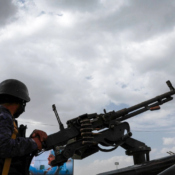
One local told Reuters that “al-Fashir is being shelled morning and night by the RSF’s artillery and drones.” He stated that bakeries were closed, medical supplies were limited, and electricity was totally cut off.
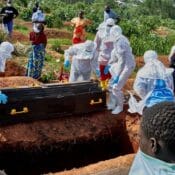
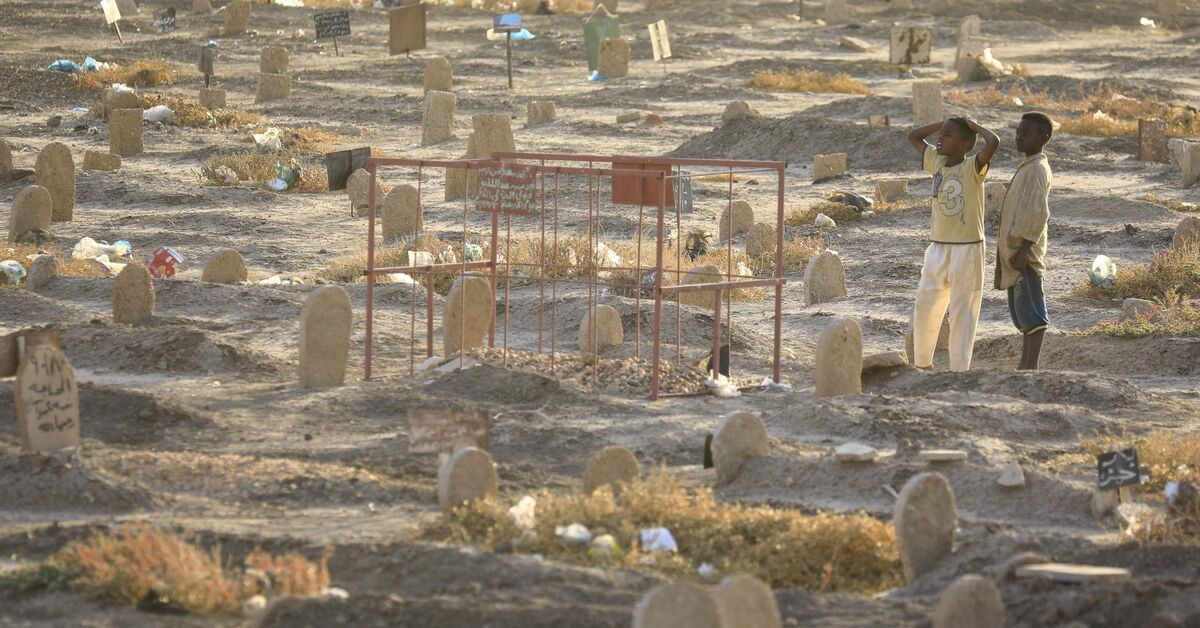
“The number of people dying has increased every day and the cemeteries are expanding,” he stated.
Conflict between the former partners over intentions to merge their forces sparked the conflict between the RSF and the Sudanese army in April 2023.
Fighting in al-Fashir intensified this year after the army drove the RSF westward after they made rapid gains in central Sudan, including the capital Khartoum.
The RSF would gain control of almost all of Darfur, a sizable area that borders South Sudan, Libya, Chad, and the Central African Republic, if the city fell. This would open the door for what analysts believe could be Sudan’s de facto partition.
Hundreds of thousands of residents of al-Fashir and those displaced by earlier battles are under siege alongside the army and its allies; many of them are living in camps that monitors claim are already experiencing starvation.
According to a doctor who wished to remain anonymous for her own safety, hunger is a greater issue than shelling.
“Both the adults and the children are undernourished. I can’t locate anything, so even I haven’t eaten breakfast today,” she remarked.
According to residents, the RSF has cut off food supply and targeted assistance convoys that were attempting to enter the city. The cost of the items that dealers are able to smuggle is more than five times higher than the average for the country.
Residents told Reuters that many had turned to eating hay or ambaz, a kind of animal feed derived from peanut shells. Even Ambazo was running low, according to one advocacy group.
A request for comment was not immediately answered by the RSF, which has its origins in the Janjaweed militias that were charged with crimes in Darfur in the early 2000s.
THE RISKS OF FLIGHT
Tawila, located roughly 60 kilometers (40 miles) west of the city, has become a haven for many individuals escaping it. Those who survived told Reuters that they were ambushed by RSF fighter groups while traveling.
“They attacked us again after we fled to Shagra (village) before reaching Tawila,” stated 19-year-old Enaam Abdallah.
“They take your phone if they discover it. They take the money. They’ll take anything, even a donkey. They kidnapped females and killed individuals in front of us,” she alleged.
A human rights organization called Emergency Lawyers reported on Monday that an attack in a village along the route killed at least 14 persons escaping al-Fashir and injured dozens more.
More over half a million displaced individuals are currently in Tawila; the majority have been there since the RSF intensified its attack on al-Fashir in April and targeted the sizable Zamzam displacement camp to the south of the city.
However, Tawila provides little shelter or assistance because foreign funding cuts have left humanitarian organizations overburdened. Arrivees told Reuters that while they do receive some grain, like as rice and sorghum, the quantities are inconsistent and insufficient.
Cholera has spread throughout Sudan as a result of the country’s current rainy season, subpar living conditions, and inadequate sanitation.
Medecins Sans Frontieres, a humanitarian organization, has treated 2,500 cholera cases since mid-June, a representative told Reuters.
The Coordinating Committee for Displaced People, a Sudanese advocacy group that works throughout Darfur, reports that the sickness has killed about 52 people.
Given the rains, it will take time for any vaccines that are needed to stop the outbreak to arrive.
Just 10% of Tawila residents had consistent access to water, and even fewer had latrines, according to a Norwegian Refugee Council evaluation. According to the organization, the majority of families only consume one meal every day.
“Neither tarps nor houses are available to shield us from the rain. Huda Ali, a mother of four, sat among straw shelters without roofs and remarked, “We have to wait for the rain to stop so the children can sleep.”
She claimed that she made an effort to ensure that her kids only ate food that had been adequately heated and that they washed their hands.
As the rainy season got underway last month, the RSF turned down a request from the UN for a humanitarian halt to fighting in al-Fashir.
In the midst of failed mediation efforts, fighting has also raged across Sudan’s Kordofan area, which borders Darfur. The two factions are fighting to establish distinct zones of control.