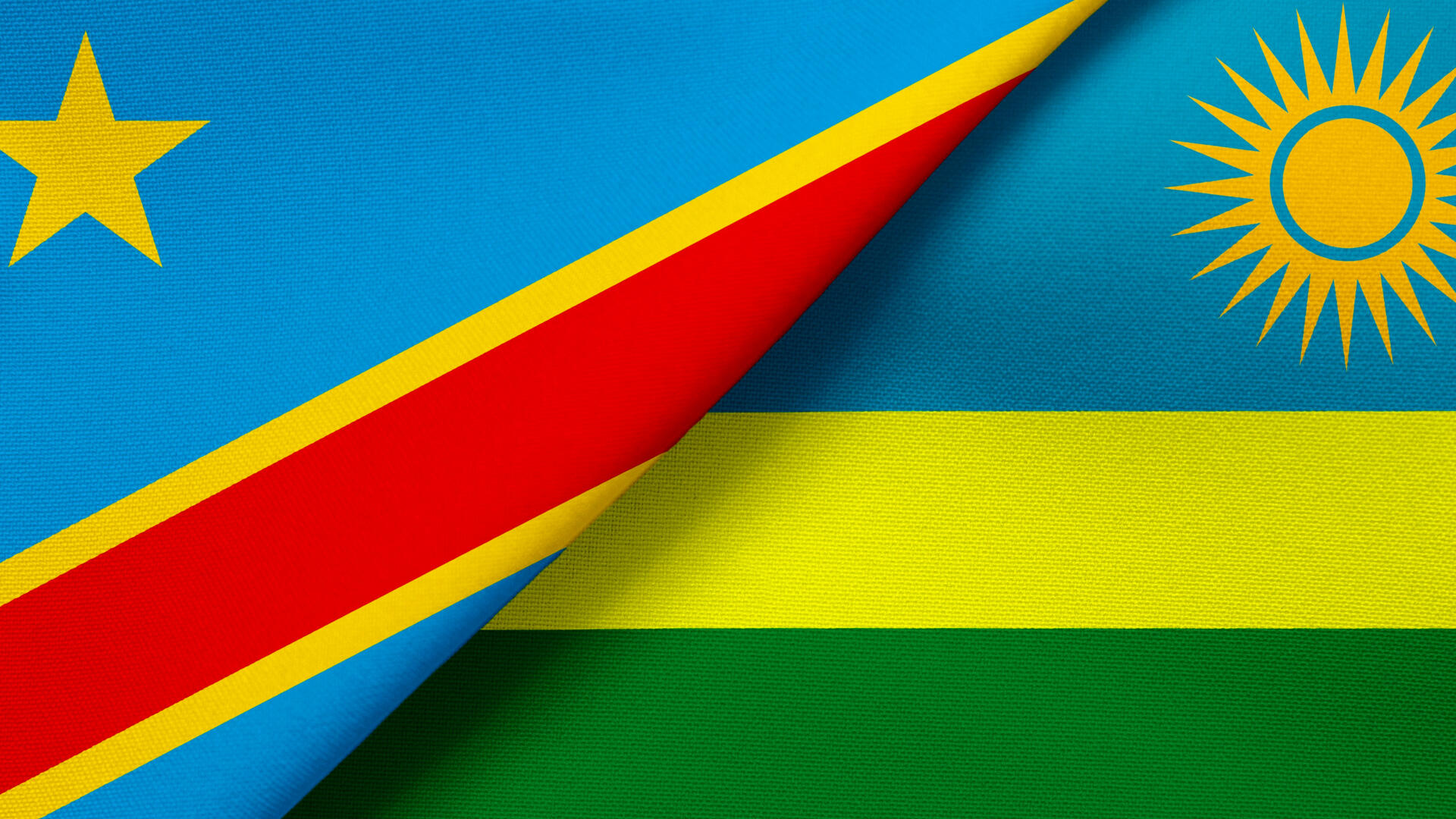
The U.S. State Department said Friday that Rwanda and the Democratic Republic of the Congo reached an agreement on a framework for regional economic integration as the two nations move closer to fulfilling a June peace agreement inked in Washington.
The State Department stated in a statement that the framework, which includes components of cooperation on energy, infrastructure, mineral supply chains, national parks, and public health, is summed up by the principles agreed upon on Friday.
During negotiations led by U.S. President Donald Trump’s administration in June, Rwanda and Congo signed a peace agreement in Washington that aims to end the fighting that has killed thousands of people and draw billions of dollars in Western investment to a region rich in minerals such as tantalum, gold, cobalt, copper, lithium, and others.
The accord stated that Kinshasa and Kigali will establish a framework for regional economic integration within ninety days.
A rough draft of the framework has been approved, according to a source with knowledge of the situation; before it is finished, there will be a period for input to gather feedback from the corporate sector and civil society.
At a summit of heads of state at the White House, the framework will be signed. According to the source, there is currently no scheduled date for the meeting.
A copy of the statement seen by Reuters shows that Rwanda and Congo acknowledged the significance of building up their own capacity for mineral processing and transformation while affirming that each nation has “full, sovereign control” over the exploitation, processing, and export of its natural resources.
The struggle between its forces and the M23 rebels, who are backed by Rwanda, in eastern Congo is seen by Kinshasa as being mostly caused by the looting of its mineral wealth.
According to sources cited by Reuters in May, the parameters of the agreement being negotiated by the United States would allow the lawful export of Congolese minerals, including tungsten, tantalum, and tin, which Kinshasa has long accused neighboring Rwanda of illegally extracting, to Rwanda for processing.
In the statement, the two nations pledged to guarantee improved cross-border interoperability on mineral supply chains, to ensure that the minerals trade no longer funds armed groups, and to establish a world-class industrial mining sector in the region.
THE NEW INFRASTRUCTURE
They also decided to link new facilities to the Lobito Corridor, which the United States supports, highlighting Washington’s desire to oppose China and have more access to resources in the area.
Although the U.S. placed a strong emphasis on vital minerals, the statement only specifically referenced two projects: the Ruzizi III hydropower project and the Lake Kivu methane exploitation. The nations stated that they will prioritize funding for Ruzizi and collaborate to sustainably utilize the methane gas.
While other agreements remain unfulfilled, the declaration on Friday follows the two nations’ first joint oversight committee meeting on Thursday, which was a step toward putting the Washington peace plan into action.
The Washington pact committed the two African nations to a 2024 agreement that calls for Rwandan troops to leave eastern Congo within ninety days.
Targeting the Democratic Forces for the Liberation of Rwanda (FDLR), a Congo-based armed group comprising militias and elements of Rwanda’s former army that committed a genocide in 1994, Congolese military activities are scheduled to end within the same period.
Along with implementing a strategy agreed upon last year to monitor and verify Rwandan forces’ withdrawal within three months, the agreement said that Congo and Rwanda would establish a joint security coordination structure within 30 days.
The combined security coordination structure has yet to meet, however, thirty days after the signing.
The meeting of the joint security coordination mechanism will take place in Addis Ababa on August 7, according to the person with knowledge of the situation.
Last month, Congo and M23 agreed to sign a separate peace deal by August 18, but there are still many issues that need to be worked out. Congo is also participating in direct discussions with M23, which are being hosted by Qatar.