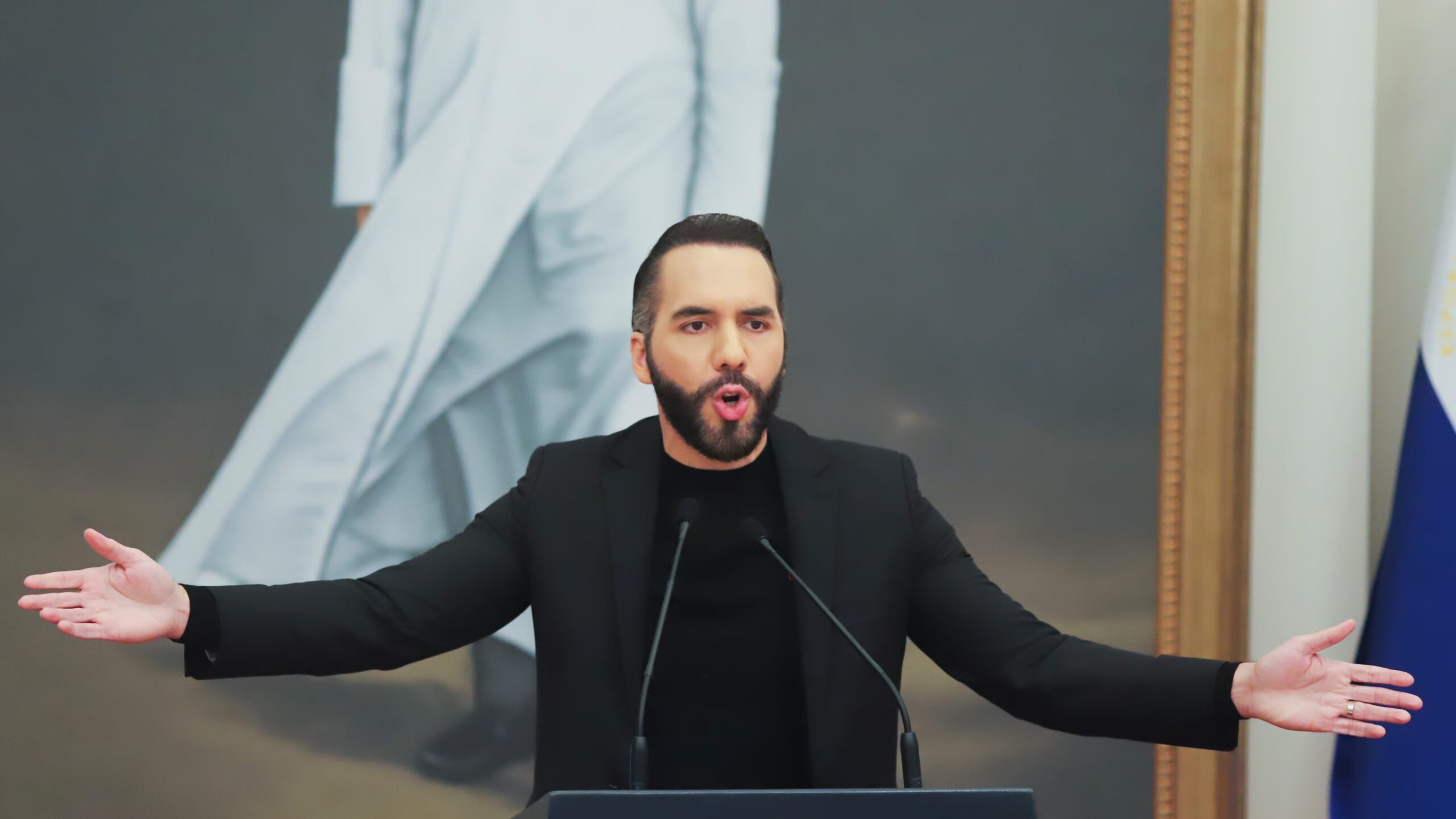
El Salvadorian lawmakers have adopted six-year parliamentary and presidential terms as well as indefinite presidential reelection.
Concerns over El Salvador’s democratic regression have been heightened after the party of President Nayib Bukele adopted extensive constitutional amendments on Thursday that would increase the presidential term from five to six years and permit limitless presidential reelection.
The recommendations, which were put forth by Ana Figueroa of the New Ideas party, eliminated the second-round runoff in presidential elections and changed five provisions of the constitution. With 57 votes in favor and just three against, the revisions were approved by the Legislative Assembly, which is controlled by Bukele’s party and its supporters.
Despite a constitutional ban, Bukele was re-elected last year after the Supreme Court, which his party reorganized in 2021, decided to grant him a second five-year term. The removal of magistrates, who were thought to be the final institutional check on the president, led to the appointment of those justices.
Figueroa justified the constitutional modifications by pointing out that mayors and MPs already have unrestricted rights to run for reelection. “The only exception up until now has been the presidency; all of them have had the chance to be reelected by the general public,” she stated.
Additionally, she suggested that Bukele’s current term be shortened from June 1, 2029, to June 1, 2027. By bringing the presidential and congressional elections into line, Bukele would be able to run for reelection two years earlier, this time for a six-year term.
One of the few MPs who voted against the proposals, Marcela Villatoro of the Nationalist Republican Alliance, warned the Assembly that “Democracy in El Salvador has died.” She cautioned that unlimited reelection undermines democratic government and encourages the consolidation of power. She claimed that when nepotism spreads and suppresses democracy and political engagement, there is corruption and clientelism.
“Power has returned to the only place that it truly belongs … to the Salvadoran people,” Assembly Vice President Suecy Callejas retorted.
Bukele refrained from responding to the public right away.
Because to his vigorous anti-gang actions, the president continues to enjoy widespread support. Bukele imposed a state of emergency that suspended constitutional safeguards and resulted in the imprisonment of tens of thousands of individuals, despite previous documented discussions between his administration and criminal organizations.
Leaders in the region are attempting to imitate Bukele’s approach to security and administration as a result of his leadership style and political domination.
His government recently came under fire from throughout the world after a number of well-known lawyers who had openly criticized his regime were arrested. Citing a “wave of repression” by the government, one of El Salvador’s top human rights organizations declared in July that it was moving its operations overseas for the protection of its employees.
Bukele has improved relations with Washington since US President Donald Trump returned in January. He swiftly took action to back Trump’s immigration policies by taking more than 200 foreign deportees into a brand-new prison built for gang members.