Joseph Kabila’s trial in Kinshasa begins as he is charged with war crimes and treason for his ties to the M23 rebels.
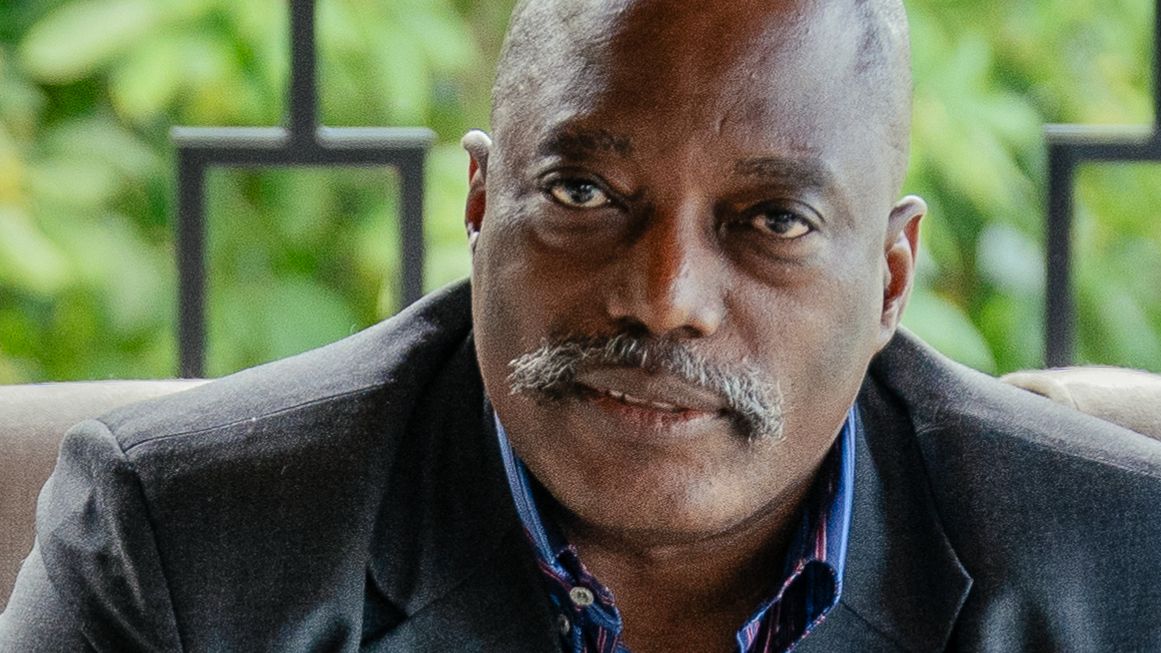
Joseph Kabila, the former president of the Democratic Republic of Congo (DRC), is accused of supporting M23 rebels who are blamed for destabilizing the country’s mineral-rich eastern region. His high-profile treason trial started in a Kinshasa military court on Friday.
Among the many accusations against Kabila, who led the DRC for eighteen years before ceding power in 2019, are treason, insurrection, torture, murder, rape, and the forcible occupation of Goma. He requested to be tried in absentia and was not present in court, denying all of the accusations.
The former leader has been charged by Kabila’s successor, President Félix Tshisekedi, of orchestrating the insurgency campaign through a broader coalition known as the Congo River Alliance, which comprises M23 and other militias. Kabila, in reply, said that the legal system was being used as “an instrument of oppression” and rejected the charges as “arbitrary.”
The court postponed hearings until the end of the month after a brief opening session to give prosecutors more time to examine the evidence.
In May, after going into self-imposed exile in South Africa, Kabila returned to Goma, which caused further tensions. M23, a rebel group that the UN and several Western nations believe receives support from neighboring Rwanda, still controls Goma. Kigali vehemently disputes this, claiming that its actions are intended to stop the crisis from spreading.
After the Congolese Senate decided in May to deny the former president the lifetime immunity typically granted to previous presidents, the prosecution of the former president became feasible. According to the official charge sheet, Kabila was “one of the initiators of the Congo River Alliance.”
Politics in Congo have been sharply split by the action. Ferdinand Kambere, a former congressman from Kabila’s now-banned PPRD party, called the trial “political exclusion” and charged that the government was applying “double standards” by pursuing Kabila vigorously while negotiating with rebels.
This isn’t fair. Emmanuel Ramazani Shadary, Kabila’s former presidential contender and ally, declared, “It’s a theater of power.”
Samuel Mbemba, the Deputy Justice Minister, denied any bias allegations.
“Justice does not participate in discourse or engage in negotiation. “The political calendar and the calendar for justice are not the same,” he said at the beginning of the trial.
In 2001, at the age of 29, Kabila, who is now 54, was elected president after his father, Laurent-Désiré Kabila, was assassinated. Although he was previously praised for presiding over the DRC’s first democratic transfer of power in many years, accusations of authoritarianism and continuing hostilities with the Tshisekedi government have tarnished his legacy.
Conflicts have continued despite the government and M23 signing a ceasefire deal just last week, raising more questions about the peace process and supporting the charges against the previous president.