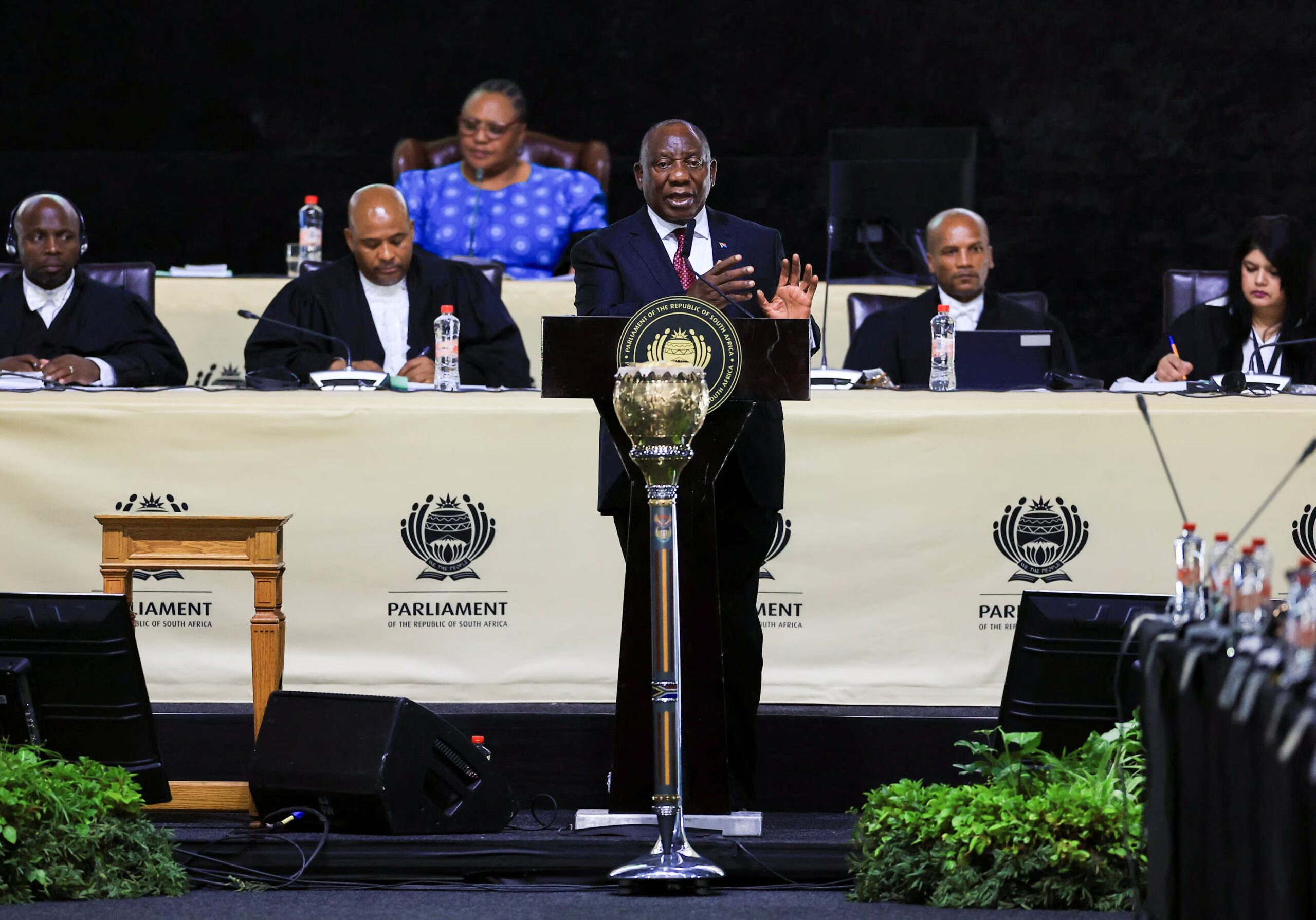
South Africa’s National Treasury has put out a call for “innovative foreign currency financing solutions” in order to raise at least $500 million for the fiscal year 2025–2026, after parliament ended a long budget impasse that had put the country’s finances at risk.
The Treasury’s news on Friday came after the lower house of parliament passed the Appropriation Bill on July 23. This ended months of political gridlock between coalition partners.
The African National Congress, which leads a coalition government of national unity with the Democratic Alliance and smaller parties, dropped plans to raise VAT, and President Cyril Ramaphosa fired a minister who was accused of misconduct to get the support of the Democratic Alliance for departmental budgets.
The Treasury said, “This funding initiative aims to expand the sovereign’s hard currency funding options beyond a traditional Eurobond, lower execution risk, and lower the all-in cost of funds.” It emphasized its focus on liability management that adapts to changing market conditions.
A limited number of eligible parties are being asked to submit proposals. These include primary dealers in South African government securities, internationally active arranging banks, multilateral institutions, institutional investors, and other regulated financial entities that can fund large amounts of money.
South Africa’s move shows how hard it is for African countries to get cheap debt when the world economy is uncertain. This week, Angola said it was putting on hold its plans to borrow money from other countries. At the same time, countries like Ghana, which just got out of debt, are looking to investors in their own country for money.
Morgan Stanley data shows that so far this year, $154.2 billion has been issued by sovereigns in developing markets. Most of that money has come from the Middle East and Eastern Europe.
Bilateral term loans, private placements of floating rate notes, repurchase agreements, cross-currency swaps, and structured notes are some of the things that the Treasury wants to look at. ESG-linked instruments are especially welcomed, which is in line with the $61.9 billion in ESG-labeled developing market bonds that have been issued so far this year.
Proposals will be judged on how much they cost to fund, how quickly they can be carried out, how well they handle changes in the value of the currency, and how well they fit with South Africa’s debt maturity profile and payment peaks. Submissions are due on August 6, and a decision should be made by August 29.
The Treasury said that they could accept or reject ideas and that the initiative was more of a look-see than a firm plan to borrow money. The consolidated deficit was raised from 4.6% of GDP in March to 4.8% of GDP in May’s budget estimates. Gross debt was expected to stay at 77.4% of GDP.