China has started construction on what will be the biggest dam in the world in Tibet, which has alarmed Bangladesh and India.
The construction of what is expected to be the largest hydropower dam in the world has officially begun in Tibet by Chinese authorities, causing new worries about downstream water flow and regional stability in Bangladesh and India.
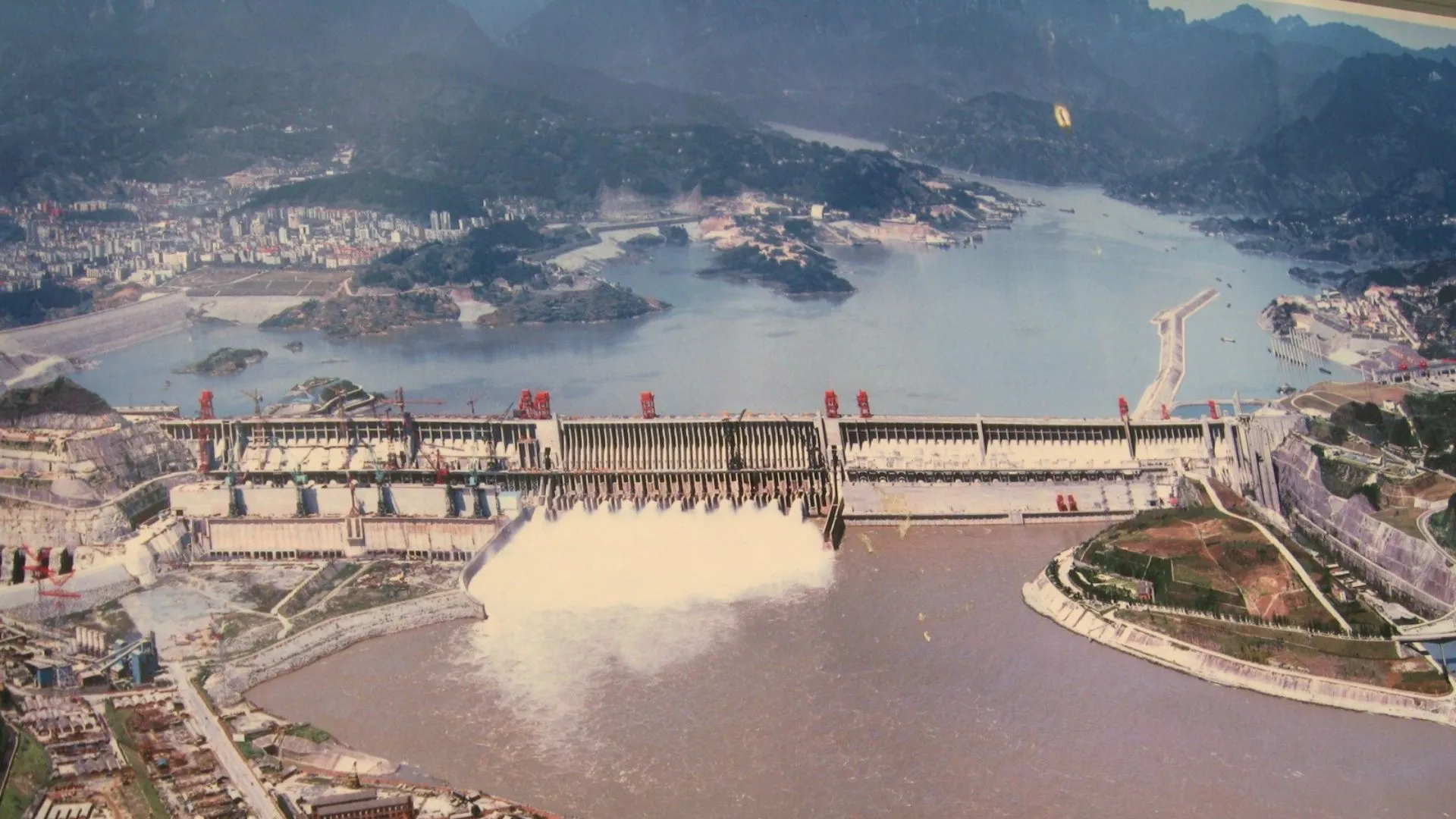
According to local media, Chinese Premier Li Qiang oversaw the groundbreaking ceremony on Saturday on the Yarlung Tsangpo river in Tibet’s isolated Medog County. When finished, the Motuo Hydropower Station, as it is officially called, will have a capacity greater than the current Three Gorges Dam and is expected to cost 12 billion yuan (~$1.67 billion; £1.25 billion). Up to three times as much energy is anticipated to be produced by the dam.
The dam’s important location along the Yarlung Tsangpo, which transforms into the Brahmaputra and Jamuna rivers as it flows into India and Bangladesh, has concerned both neighbors, despite Beijing’s claims that the project prioritizes environmental conservation and local development.
According to critics, the dam might give Beijing the ability to control water flow, which would affect millions of people downstream. “Control over these rivers \[in the Tibetan Plateau] effectively gives China a chokehold on India’s economy,” according to a 2020 assessment by the Australian-based Lowy Institute.
Pema Khandu, the chief minister of Arunachal Pradesh, expressed grave worries, stating that the project was “an existential threat to our tribes and our livelihoods.” “If the dam is constructed and water is suddenly released, our entire Siang belt would be destroyed,” he continued. Devastating consequences would befall all of the Adi tribe’s and comparable groups’ property, land, and most importantly, human life.
In an apparent defensive move to control the risk of floods from possible water discharges upstream, the central government of India is apparently working on a hydropower project on the Siang River and has previously raised concerns with China.
Bangladesh, which is also a major user of the transboundary river system, has officially asked Beijing for information. According to reports, Dhaka wrote to Chinese officials in February to ask for details regarding the dam and its possible effects.
Engineers intend to “straighten” the river’s course by excavating multiple 20-kilometer tunnels through the Namcha Barwa mountain, thereby redirecting water and establishing five cascade power plants, according to Xinhua, China’s state news agency. As part of President Xi Jinping’s “xidiandongsong” strategy, which aims to transfer power from the impoverished west to the industrialized east, the majority of the electricity produced will be transported to eastern China.
Tibetan activists and environmental organizations have condemned the initiative as a another violation of Tibetan biodiversity and autonomy. The projected dam site’s surrounding area is well known for its ecological diversity and seismic susceptibility. Tibetans have been arrested and subjected to brutal crackdowns during previous anti-dam demonstrations.
Chinese officials insist the project will lower carbon emissions and have positive economic effects in spite of these cautions. However, the cost might be much greater for environmentalists, Bangladesh, and India.