A continent-wide trade agreement is being accelerated by African leaders as mounting fears about U.S. tariffs, which include rates as high as 50% for Lesotho, threaten to destroy industries and stunt economic progress.
Having been formally ratified by 49 countries, the African Continental Free Trade Area deal, which aims to unite all 1.4 billion people under Africa’s more than 50 nations into a single market, began trading in 2021.
However, the implementation of the framework has been slow, with fewer than half of member states engaging in active trading.
Early indications of success include last year’s 12.4% increase in intra-African trade to $208 billion, according to Afreximbank numbers, and the World Bank’s forecast that the AfCFTA could raise intra-continental exports in Africa by 81%.
“We must develop our own value chain systems as quickly as possible. Wamkele Mene, the secretary-general of the AfCFTA, told Reuters that the weaponization of nationalism, trade policy, and investment policy is unprecedented and has a detrimental effect on the multilateral trading system.
“The lesson to observe is that we are on our own as a continent.”
When U.S. President Donald Trump returned to the White House in January, his breathless cycle of punitive tariff policies—which have the potential to upend decades of globalization and reconfigure flows of money and goods—put trade relations front and center for policymakers throughout the world.
Under South Africa’s chairmanship, the G20 finance chiefs’ conference in Durban this week has trade as a top priority.
Accelerating African continental trade is fraught with difficulties, despite the pressing need to do so.
Together, the African Union’s member states generate around $3 trillion in GDP, which is comparable to the GDP of France, one of the G7.
South Africa and Nigeria are among the 24 nations that are currently officially trading under the AfCFTA, according to Mene.
According to Oxford Economics’ Raheema Parker, implementation has been patchy, with informal commerce adding complexity and poor governance compromising overall efficacy.
“These barriers are especially pronounced in smaller sub-Saharan economies, which are more vulnerable to external shocks and often lack the administrative and financial capacity,” Parker explained.
GAP IN INFRAGRATION
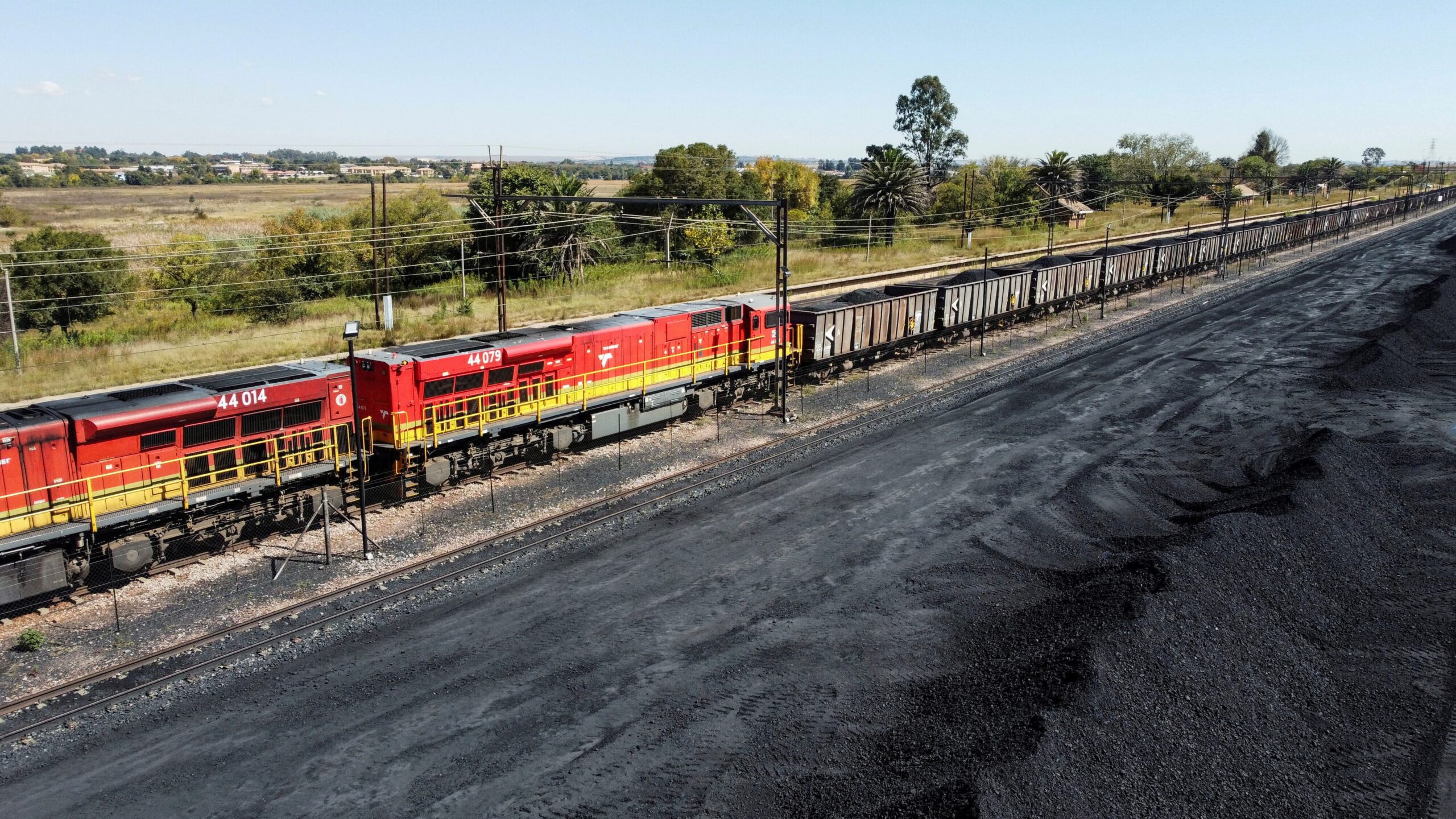
“A lack of infrastructure is the largest barrier to intra-African trade,” Mene stated.
Together, the African Development Bank and Afreximbank have funded $65 billion in infrastructure projects since 2020, which just scratches the surface of the anticipated $100 billion+ annual infrastructure investment deficit.
Bill Blackie, the CEO of Standard Bank in Johannesburg, issued a warning: “AfCFTA will remain a paper promise without hardened bridges and faster rail links.”
Complex paperwork requirements and delays at the border are further obstacles.
Abbas Mahamat Tolli, the former finance minister of Chad, stated, “We need to diminish all the commercial barriers.”
LET THE DOLLAR GO?
Nearly two-thirds of payments made in over 40 African currencies pass through dollar corridors, making currency another controversial topic. Afreximbank has advocated for a move away from the dollar due to high fees and volatility.
“To cut costs and control volatility, local-currency corridors must become the norm,” stated Yemi Kale, head economist of Afreximbank Group.
The Pan-African Payments and Settlement System, which was just introduced, connects 16 central banks and attempts to cut expenses.
Leaders believe the transformative potential of the AfCFTA justifies overcoming the obstacles.
Earlier this month, Kenyan President William Ruto stated, “We have a generational chance to build value chains that keep wealth on the continent, develop competitive industries, and create millions of jobs while shaping global supply chains from a position of strength.”