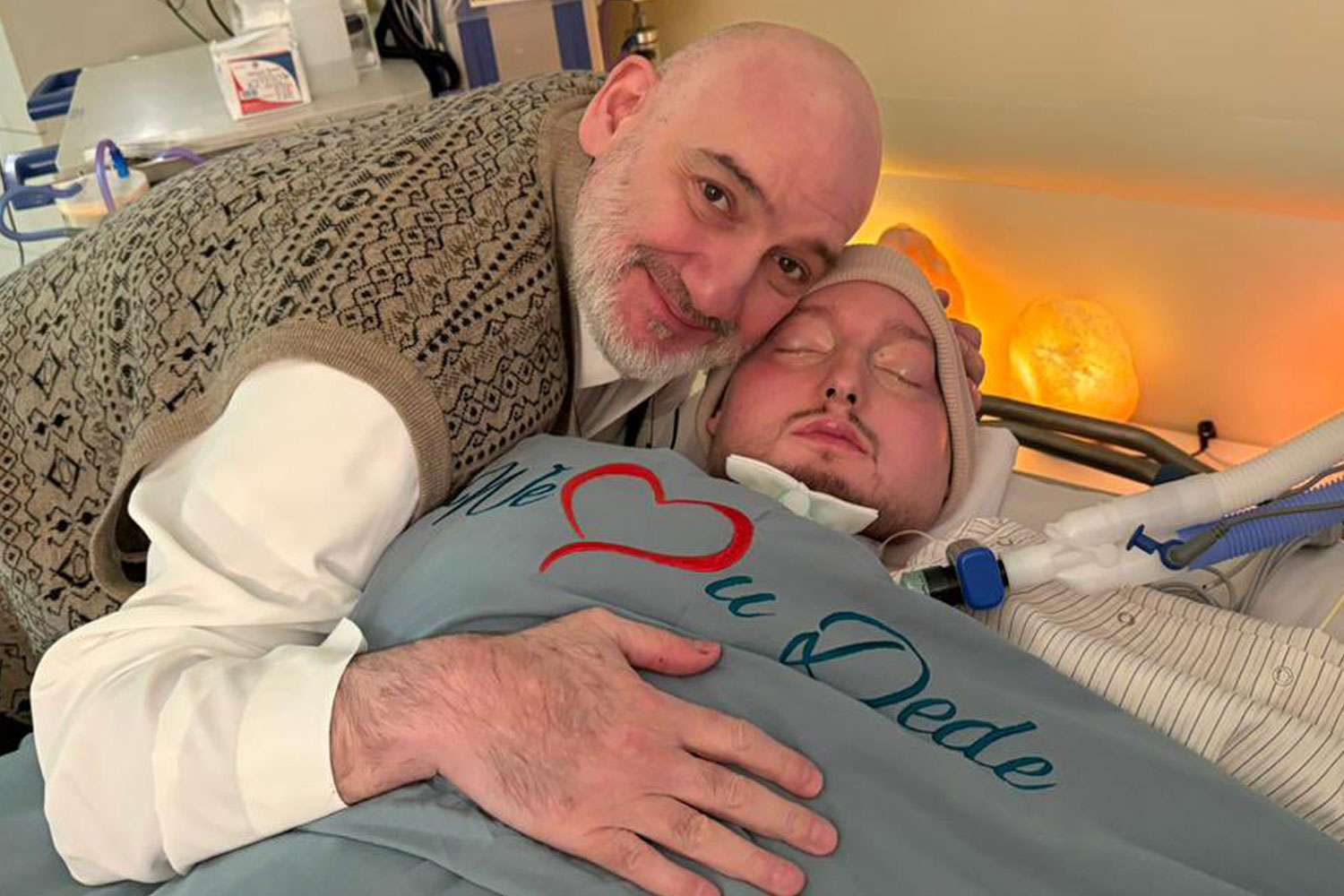
The two-decade vigil for Sleeping Prince comes to a conclusion.
After a 20-year coma, Saudi Arabia’s “Sleeping Prince” died at the age of 36.
Since a vehicle accident in 2005, his father has been on life support and in hope.
Known as Saudi Arabia’s “Sleeping Prince,” Prince Al-Waleed bin Khaled bin Talal bin Abdulaziz Al Saud, died after two decades in a coma.
At the age of 36, he died on Saturday, July 19, 2025. His passing signifies the end of a protracted and widely reported journey that started with a catastrophic vehicle accident in 2005.
Prince Khaled bin Talal Al Saud, the prince’s father, made an emotional message on his X (formerly Twitter) account after the Saudi Royal Court confirmed the prince’s death through the Saudi Press Agency.
“With hearts full of faith in Allah’s decree and destiny, and with profound sadness and sorrow, we mourn our beloved son Prince Al-Waleed bin Khaled bin Talal bin Abdulaziz Al Saud, may Allah have mercy on him, who passed away to Allah’s mercy today,” read Prince Khaled’s message, which was shared with great sorrow and faith.
The late prince’s funeral prayers were set for Sunday, July 20, at Riyadh’s Imam Turki bin Abdullah Mosque. Three days of mourning were planned.
When Prince Al-Waleed was 15 years old and attending a military college in London, he was involved in a serious vehicle accident in 2005, which tragically changed the course of his life.
He suffered severe brain damage and internal bleeding as a result of the tragedy, which sent him into a coma from which he never fully recovered.
He was sent to King Abdulaziz Medical City in Riyadh after the accident, where he spent almost two decades on life support.
During his extended period of incapacity, Prince Al-Waleed emerged as a representation of steadfast optimism and familial loyalty. Despite medical advice, his father, Prince Khaled bin Talal, a well-known Saudi royal and the nephew of wealthy Prince Al-Waleed bin Talal, adamantly refused to take his son off life support.
Prince Khaled frequently posted updates on social media, including videos that occasionally showed the prince moving his head or lifting a finger—minimal, involuntary motions that gave followers of his narrative a ray of hope.
People in Saudi Arabia and the Arab world at large responded favorably to these public demonstrations of paternal devotion, which is how the prince came to be known as “The Sleeping Prince.”
Over the course of two decades, Prince Al-Waleed’s condition remained basically unaltered despite intensive medical attempts including physicians from Spain and the United States.
His hospital room became the center of well-wishers’ visits and prayers, demonstrating the significant influence his particular struggle had on a large audience.
For the Saudi royal family and the many who had followed his quiet journey for almost 20 years, his departure signifies the end of an incredible and difficult chapter.