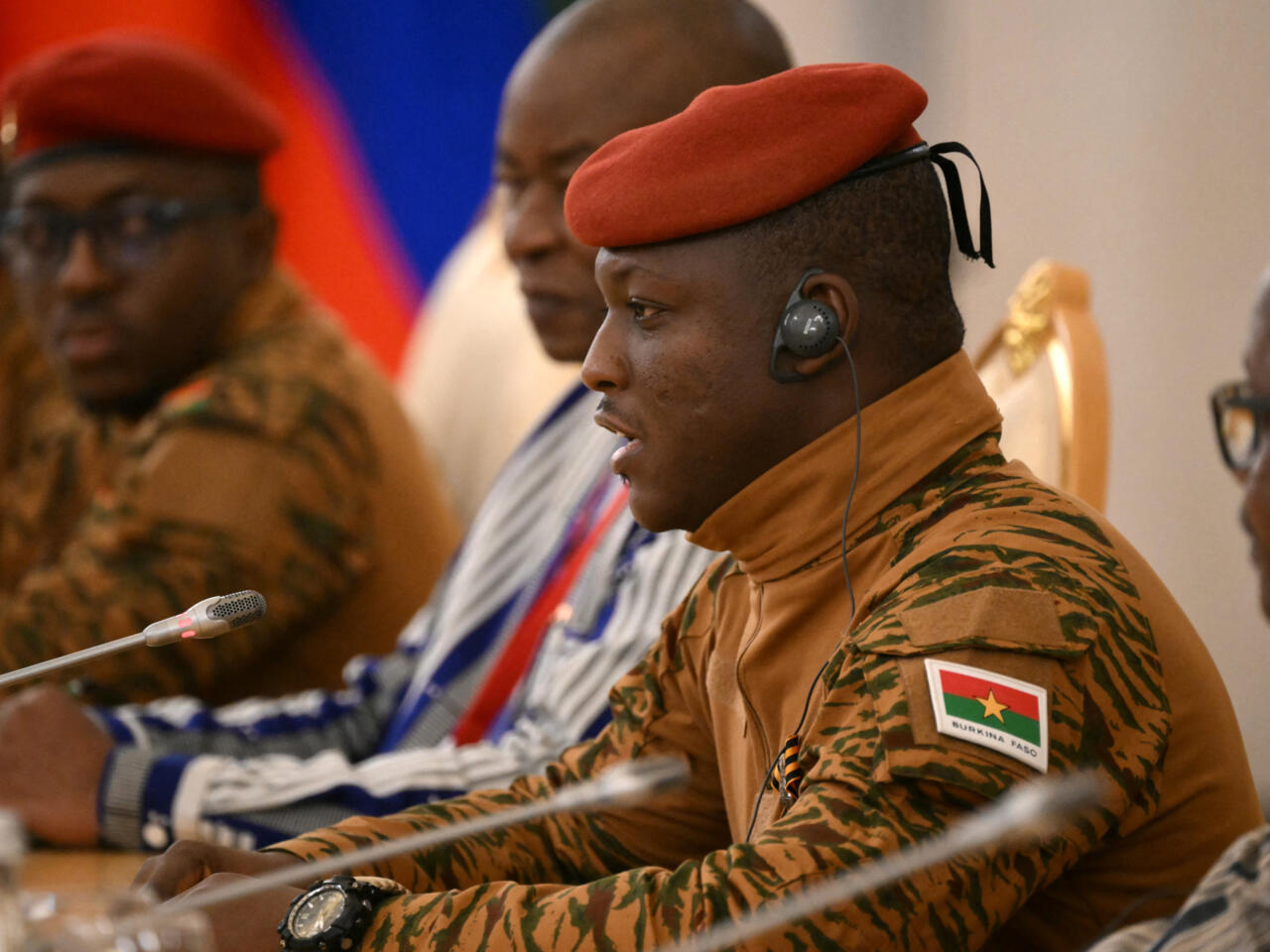
The military leaders of Burkina Faso have eliminated the election commission and transferred authority to the interior ministry, claiming that the expenses were too high.
The electoral commission of Burkina Faso was disbanded by the reigning military junta, which claimed it was a financial burden and did so to bolster its control over the electoral process.
The decision to disband the commission means that the interior ministry of the nation would now be in charge of all electoral affairs, according to a report on state-run RTB TV.
This action is part of a larger set of measures that the military government has been implementing since taking control in September 2022. Among these changes was the deferral of national elections that would have signaled the return of civilian governance.
Last year, a national vote was planned, but the junta prolonged the transition period until July 2029, so enabling Captain Ibrahim Traoré, the current commander, to stay in power and be eligible to run in the upcoming presidential election.
Territorial Administration Minister Emile Zerbo was quoted by the AFP news agency as stating that the electoral commission was “subsidised” with about $870,000 (£650,000) per year. Eliminating it, he contended, would “reinforce our sovereign control on the electoral process and at the same time limit local influences.”
Since assuming power in response to mounting discontent with the civilian government’s handling of an Islamist insurgency, the military administration has broken with France, its former colonial power, in favor of bolstering its connections with Russia.
The army is allegedly targeting civilians in its military battle against jihadists and suppressing free speech and political engagement, according to rights organizations.
Questions remain regarding the junta’s operational efficacy despite its claims of increased security. Data confirmed by the BBC shows that the jihadist group JNIM claimed responsibility for more than 280 attacks in the first half of 2025, which is twice as many attacks as were reported during the same period in 2024.