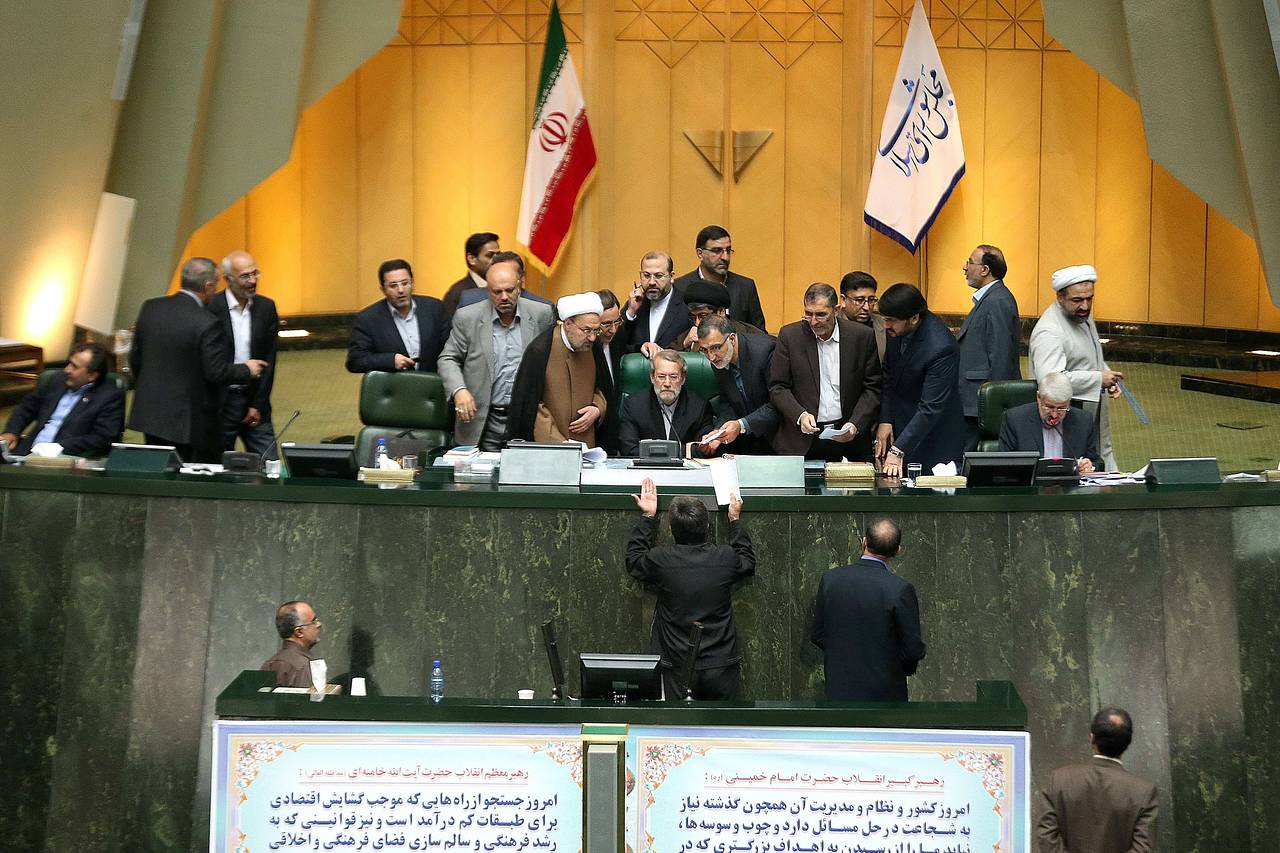
Iran’s parliament believes that following recent military attacks, nuclear discussions with the United States cannot restart until certain conditions are met.
Following recent military strikes on Iranian nuclear facilities by the US and Israel, Iran’s parliament has decided that new nuclear discussions with the US cannot begin until certain undefined preconditions are fully met.
“Talks cannot be conducted as before when the US uses them as a tool to deceive Iran and cover up a sudden military attack by the Zionist regime (Israel),” the Iranian parliament stated in a statement released on Wednesday and quoted by state media. “It is necessary to establish preconditions and refrain from engaging in further negotiations until they are satisfied.”
Tehran will need assurances against any future attacks on its land, according to Iran’s Foreign Minister Abbas Araqchi, however the statement did not outline what those prerequisites were.
Israel and the United States jointly attacked Iranian nuclear facilities last month, alleging that the targets were involved in a weapons development program. Tehran has consistently refuted those accusations, maintaining that its nuclear endeavors are exclusively for peaceful purposes.
Before the 12-day aerial bombing campaign, Oman had mediated five rounds of indirect negotiations between Tehran and Washington. US demands that Iran stop its domestic uranium enrichment program are said to have caused those negotiations to freeze.
“We will not enter into negotiations about non-nuclear matters like our ballistic missile program, and we will not agree to a nuclear deal that prevents us from enriching uranium,” Araqchi said last week, reiterating Iran’s tough stance.
Declaring that Iran’s nuclear sites were now “obliterated,” US President Donald Trump stated on Tuesday that he was in “no rush” to resume negotiations with Tehran. But Washington, France, the United Kingdom, and Germany have set the end of August as the deadline for a new deal.
If there is no real progress toward a solution, French Foreign Minister Jean-Noel Barrot said Tuesday that Paris, London, and Berlin will activate the United Nations sanctions snapback mechanism by the end of August. The mechanism would reinstate international sanctions against Iran that were removed as part of the nuclear agreement in 2015.