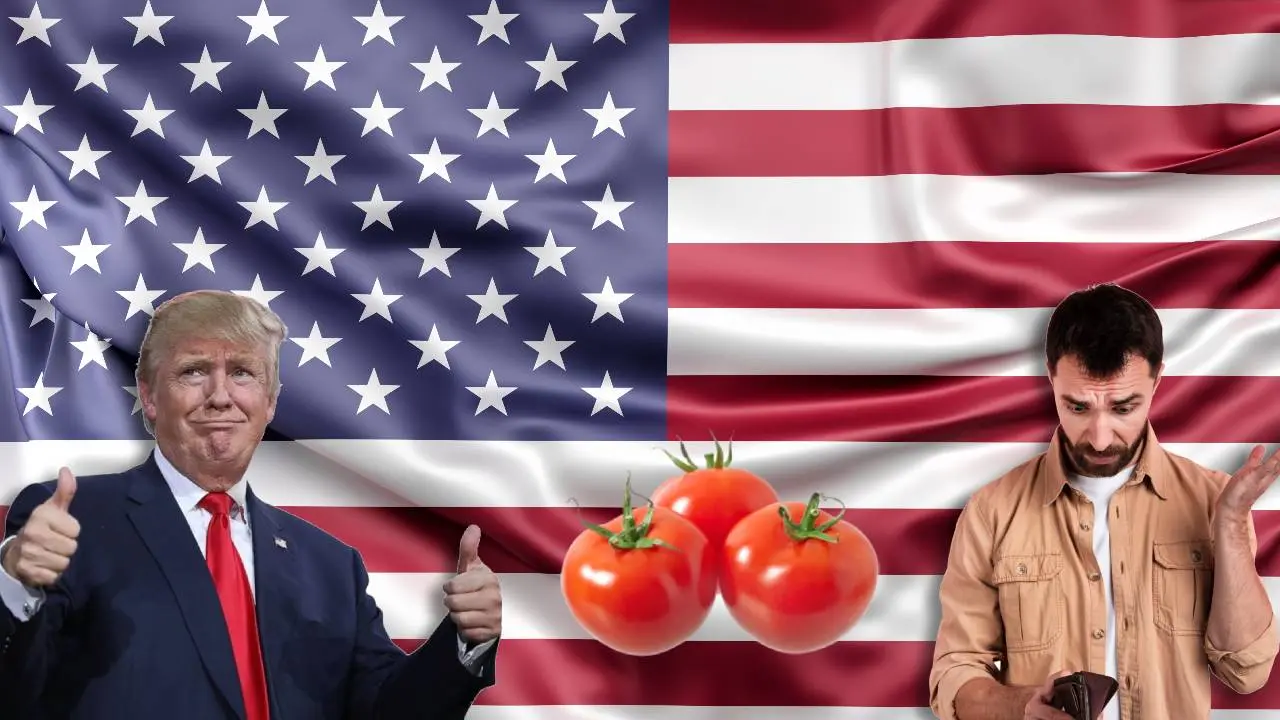
The US has terminated a trade agreement over claimed unfair pricing by Mexican exporters by imposing a 17% tax on Mexican tomatoes.
After pulling out of a long-standing trade deal that had previously protected Mexican producers from such tariffs, the United States has levied a 17% duty on the majority of tomatoes imported from Mexico, effective immediately.
Howard Lutnick, the US Secretary of Commerce, announced the decision, stating that it was required to shield domestic farmers from what he called years of “unfair trade practices.”
“Unfair trade practices have been undercutting prices on produce like tomatoes for far too long, crushing our farmers,” Lutnick added. “The goal of this action is to restore equity for tomato growers in the United States.”
The new tax comes after Washington withdrew from the 2019 tomato suspension agreement with Mexico, which was the most recent of five agreements established since 1996 that allowed Mexico to retain a minimum export price in exchange for a halt.
Tomato growers in the United States have long accused Mexican growers of flooding the market with cheap tomatoes, a practice that they believe hurts local agriculture’s ability to compete. Mexico is the source of nearly 70% of the tomatoes consumed in the United States, according to the Florida Tomato Exchange.
Mexico has denied any dumping charges, claiming that quality, not price manipulation, is the reason its tomatoes are so popular in the US.
The economy and agricultural ministries of Mexico said in a joint statement that, due to the sheer amount of exports, it would be “impossible to substitute Mexican tomatoes.” They also said the government would work with Washington to negotiate a new deal and assist local farmers in finding other markets.
Specifically, for tomato-based items like pizza sauces and salsas, industry analysts caution that the new levy is likely to increase prices for customers at supermarkets and dining establishments.
Food manufacturers who depend on bulk tomato imports, Mexican restaurants, and pizza companies might be the ones who bear the brunt of the cost increases, which they might then pass on to consumers.
Proponents of the levy contend that it will boost demand for tomatoes produced in the US and aid in the recovery of a faltering American industry that has long been under Mexican competition.
The US and Mexico are at odds over trade, and the tomato conflict is part of that. Trump, who just returned to office, has threatened to put a broad 30% tariff on all Mexican goods beginning on August 1. He has accused Mexico of not doing enough to stop North America from turning into a “Narco-Trafficking Playground.”
In recent weeks, China, Brazil, and the European Union have all received similar tariff threats, which has sparked fears of a possible global trade war.