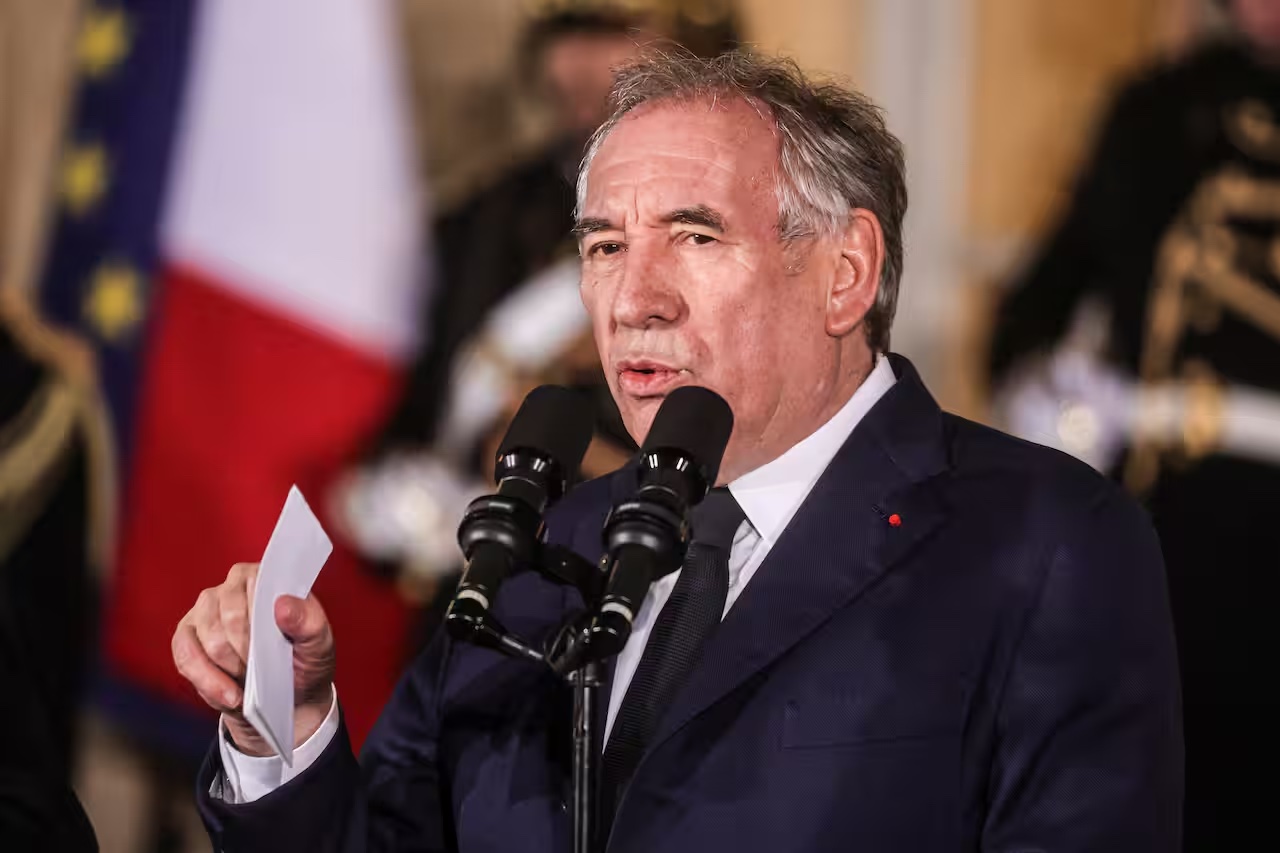
The prime minister of France has proposed doing away with two national holidays in an attempt to strengthen the nation’s economy.
France’s budget situation is becoming worse, therefore Prime Minister Francois Bayrou has announced significant austerity measures, including the potential elimination of two public holidays.
In an attempt to tighten the budget by €43.8 billion ($50.88 billion), French Prime Minister Francois Bayrou revealed plans on Tuesday to eliminate two national holidays, despite opposition parties threatening to topple his minority government.
“Everyone will have to contribute to the effort,” Bayrou said as he outlined plans that include cutting the civil service by not replacing one in three departing employees and capping non-defense spending in 2026.
Bayrou was given the mission of reviving France’s public finances by President Emmanuel Macron after a quick legislative election last year left the parliament unable to control the country’s soaring state spending and unexpected tax revenue shortfall.
Bayrou, a longtime supporter of budgetary restraint, has cautioned that although defense spending will increase in the upcoming year, significant sacrifices are now unavoidable.
Making reference to Greece’s debt crisis, Bayrou told lawmakers, cabinet members, and journalists, “It’s the last stop before the cliff, before we are crushed by the debt.” This underscored the importance of reform.
He said that France required a cultural change and was “addicted to public spending,” saying, “It’s late, but there is still time.”
Pensions will be frozen at current 2025 levels as part of the austerity plan, while other social and health spending will be capped. The planned cuts include two public holidays, namely May 8, which marks the end of World War II in Europe, and maybe Easter Monday.
It will be difficult for seasoned centrist politician Bayrou to persuade France’s divided parliament to accept his cost-cutting initiatives. If he loses, he might be subject to a vote of no-confidence, like the one that ousted his predecessor over the budget for 2025.
The already skyrocketing cost of interest payments, which are predicted to surpass €60 billion and become the biggest single drain on the national budget, might increase in response to a new political crisis and lead to additional credit rating downgrades.
Only until parliament receives the comprehensive budget measure in October is a no-confidence motion anticipated to become a reality.