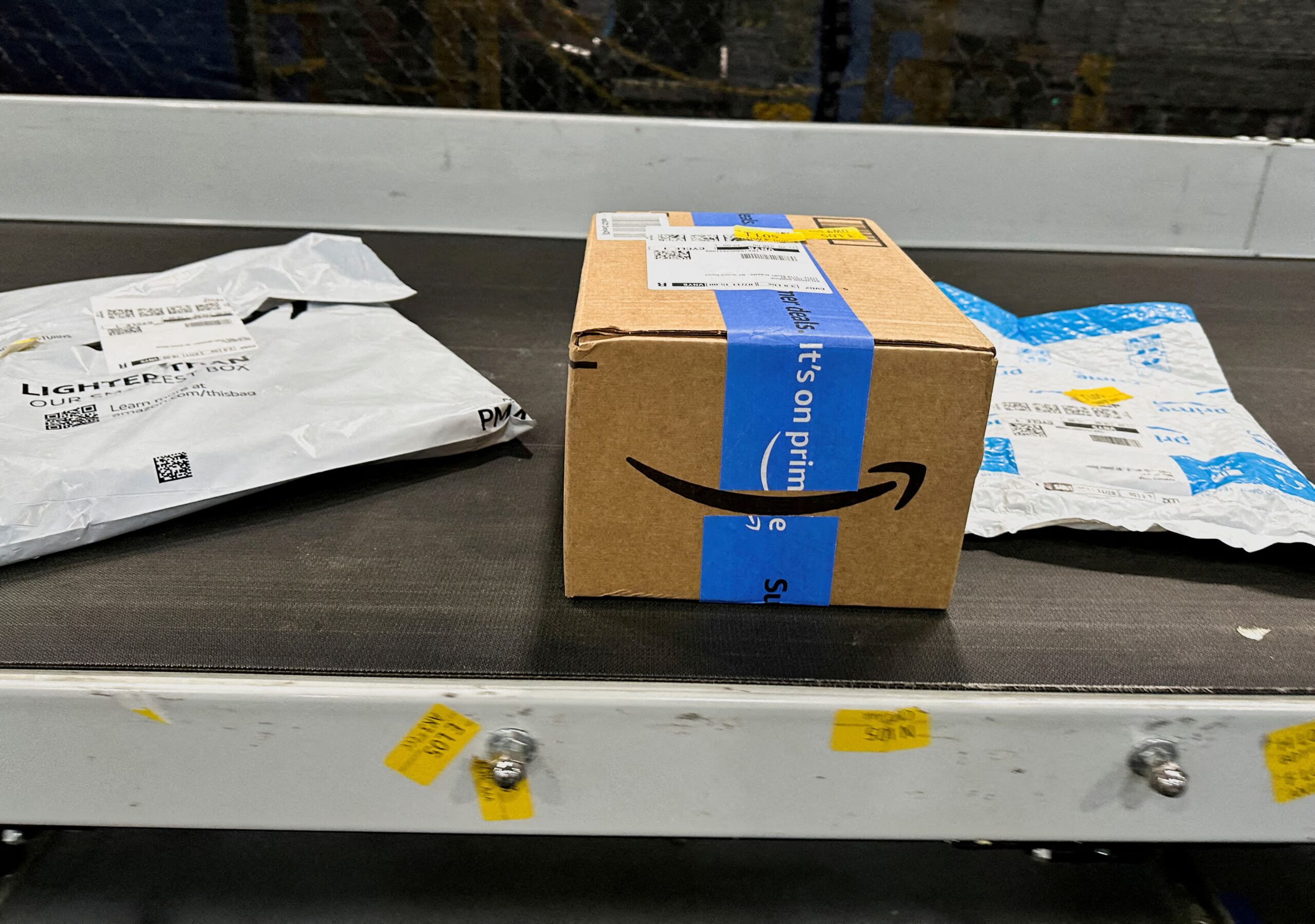
The “Black Friday in Summer” period, which ran from July 8 to 11, saw a $24.1 billion spike in online spending across U.S. merchants, surpassing Adobe Analytics’ previous prediction as enthusiastic consumers hurried to take advantage of steep discounts on back-to-school necessities.
In contrast to Adobe’s forecast of 28.4%, retailers reported a 30.3% increase in online sales during events that included Amazon Prime Day, the company said on Saturday.
A year ago, online retail sales in the United States increased by 11% to $14.2 billion.
Customers took advantage of early discounts to stock up on necessities and beat the back-to-school rush, solidifying the Prime Day event as a “back-to-school” shopping occasion, according to Adobe.
Strong discounts have been offered by a number of major retailers, such as the e-commerce behemoth Amazon.com (AMZN.O), Walmart (WMT.N), Target (TGT.N), and Best Buy (BBY.N), which encourage customers to upgrade from pricey items they might otherwise pass on.
With strong prices on everything from clothing to electronics, Amazon.com increased its sales window from the usual 48 hours to 96 hours.
A flurry of alluring accords coincides with the increasing trade tensions brought on by the Trump administration’s unstable tariff policies, which have unsettled businesses and consumers, as well as the approaching August 1 deadline for nations to renegotiate trade agreements with the US.
The survey claims that mobile shopping drove 53.2% of online sales during the Prime Day event, surpassing Adobe’s prediction of 52.5% because it was the most popular transaction channel.
Adobe reports that, in contrast to the previous anticipated range of 10% to 24%, overall discounts across U.S. shops ranged from 11% to 24%.
Deals on apparel were the largest, at 24%, up from 20% the previous year, while those on electronics were at 23%, unchanged.