Trump Will Use NATO to Deliver Patriot Missiles to Ukraine in Response to Increasing Russian Attacks
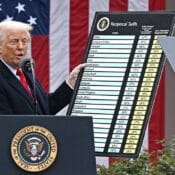
Trump has declared that NATO will send Patriot air defense systems to Ukraine in response to an increase in Russian missile strikes.
In a further demonstration of support for Kyiv in the wake of a deadly series of Russian drone and missile attacks, US President Donald Trump has announced that the US will supply Patriot air defense systems to Ukraine through NATO.
In an interview with NBC News, Trump stated that the weapons transfer will take place under a new agreement in which “NATO will distribute that after we send Patriots to it.” The full cost of the weaponry would be reimbursed by NATO, he stressed, allaying worries about direct US military assistance.
The news comes after Ukrainian President Volodymyr Zelensky revealed earlier this week that he had requested ten Patriot systems to help combat Russia’s escalating aircraft assault. Germany and Norway have committed to sponsoring three of the systems, and other European countries were getting ready to help, Zelensky said, adding, “We have had a positive dialogue.”
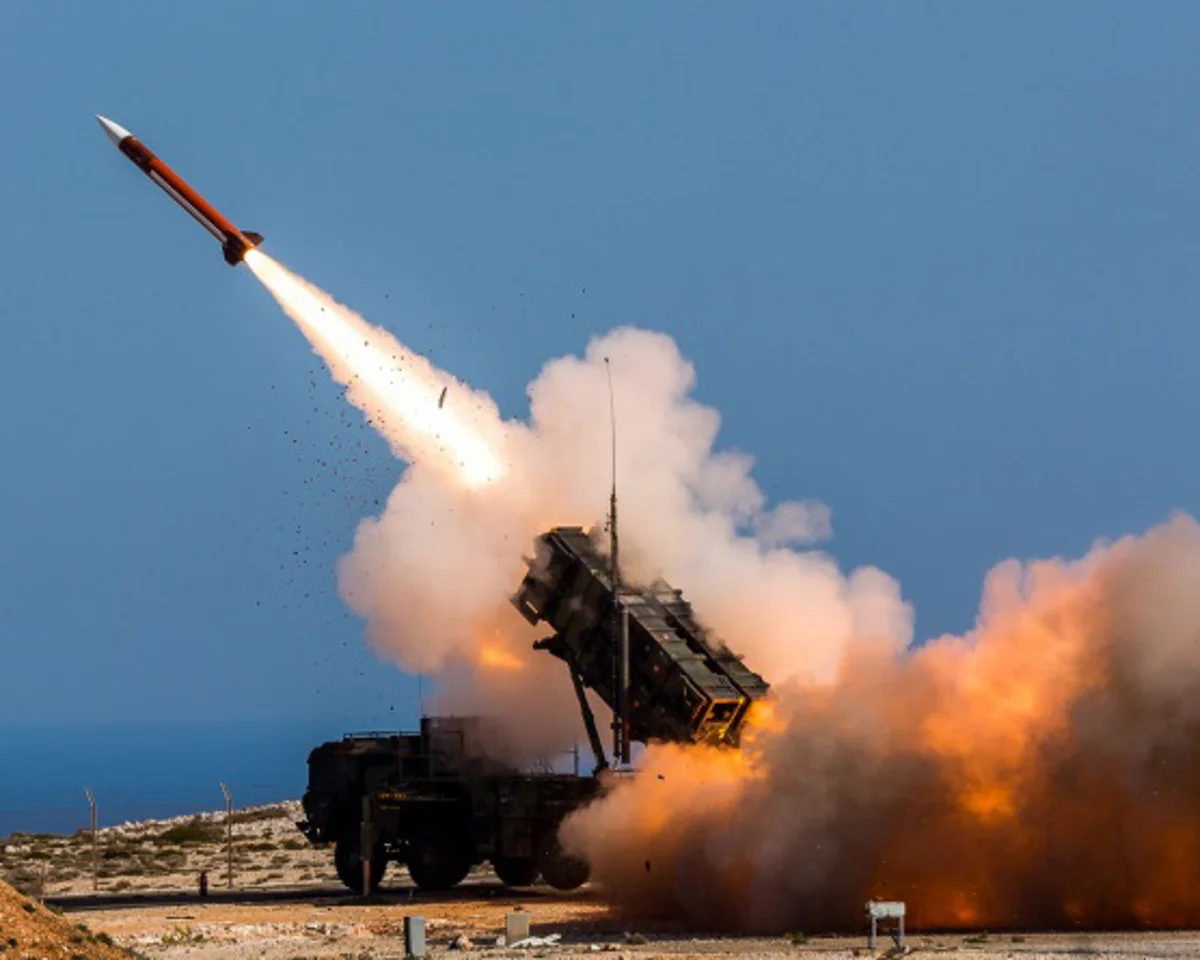
Patriot missile batteries are one of the most sophisticated air defense systems in the world, having the ability to precisely detect and intercept incoming missiles. With a record number of drone strikes targeting Ukraine, their function has become more and more important. Just Tuesday night, 728 drones struck Ukraine, the most in a single day since Russia launched its full-scale invasion in 2022.
Trump reaffirmed his promise in response to growing criticism and pressure from Kyiv after the US halted supplies of vital defense equipment last week, including precision artillery and Patriot interceptors. Ukraine was concerned that the delay may cause its air defense capabilities to deteriorate.
“More weaponry must be sent. In contrast to his earlier hesitance to continue aiding Ukraine, Trump stated in the NBC interview, “They’re getting hit very hard now.” Although he provided no additional information, he also alluded to a “major statement” against Russia that would be delivered on Monday.
US Secretary of State Marco Rubio highlighted the seriousness of the situation, stating that Washington was pressing NATO partners, such as Germany and Spain, to transfer their current Patriot batteries as soon as possible. “They have them in stock… and we can make financial arrangements for substitutes,” Rubio stated on Friday.
The New York Times cited US officials who said that a Patriot battery that was formerly located in Israel would be renovated and moved to Ukraine. Although talks over that battery had been going on, its deployment is a critical addition to Ukraine’s multi-layered defense system, which already consists of NASAMS from the West and S-300s from the Soviet Union.
Although the Patriot system is effective, several NATO partners are reluctant to part with their limited inventories because to its expensive cost, which is believed to be $1 billion per unit. The growing toll on infrastructure and civilians, however, seems to be changing that calculation. With over 1,300 injuries and at least 232 fatalities, June 2025 witnessed the biggest monthly civilian casualties in three years, according to the UN.
The current air defense system in Ukraine is still overburdened despite its effectiveness. Each Patriot system greatly expands the region Ukraine can defend, including vital cities, power plants, and military institutions, though the precise number currently in use is classified.
Russia maintains its denial of striking civilians and charges Western countries with escalating the crisis by providing Ukraine with weapons. Trump has been pressuring NATO countries to boost their defense budgets and assume more accountability within the organization since he arrived to the White House in January 2025.
Trump has advocated for a route to peace and taken a tougher stance on long-term American involvement, even though the US gave Ukraine more military aid than any other nation between 2022 and 2024, totaling $69 billion. During a phone conversation with Russian President Vladimir Putin last week, he voiced his displeasure with Moscow’s lack of progress in bringing the war to a close.
Rubio characterised his recent meeting with Russian Foreign Minister Sergei Lavrov in Malaysia as “frank,” adding that both parties exchanged “new ideas” about how to resolve the conflict. He chose to wait for Trump’s impending Russia statement, though, and refused to go into further detail.