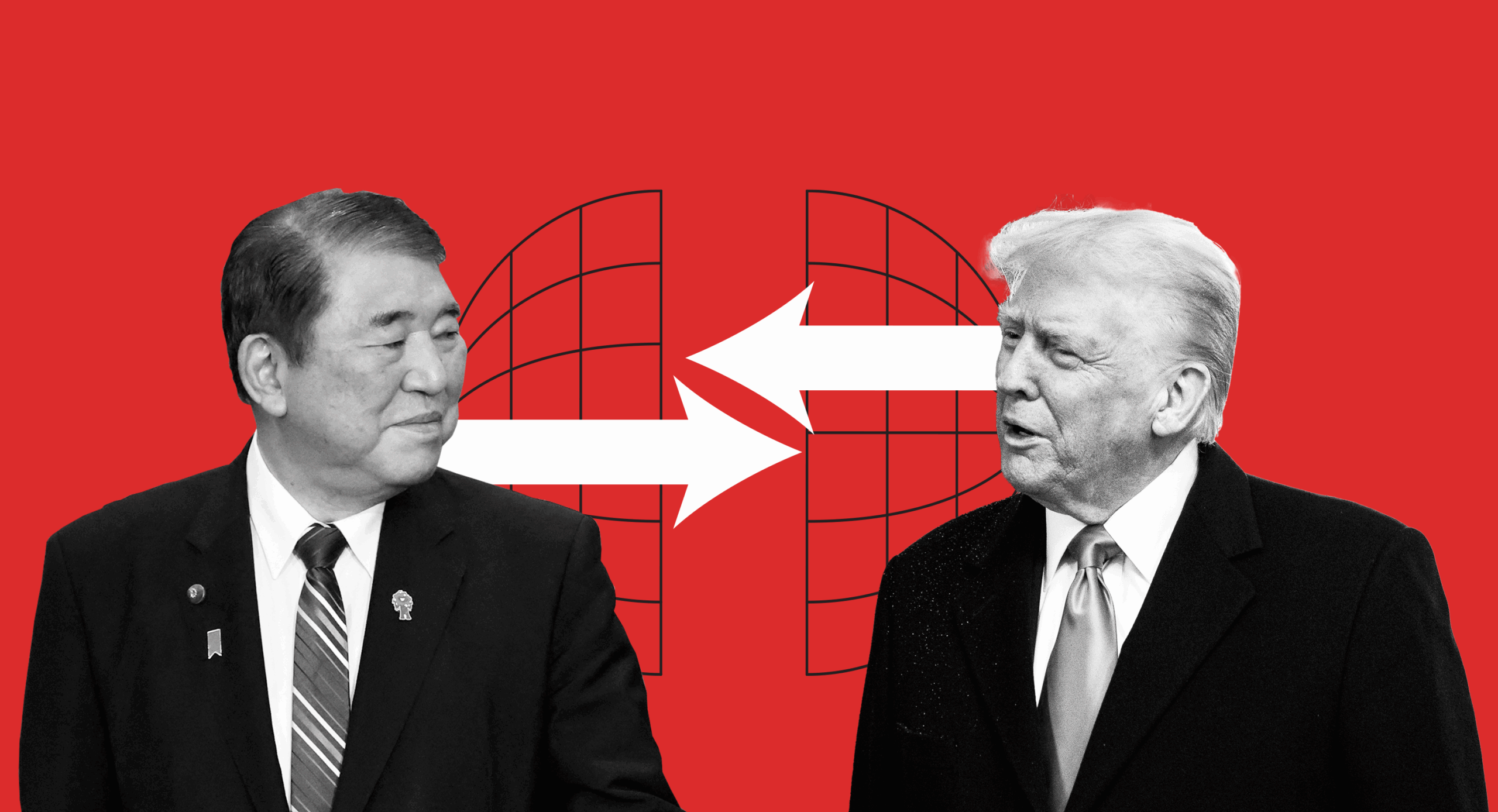
Akazawa, Japan’s trade negotiator, has stated that a deal with the US is pointless until auto tariffs are agreed upon.
Since President Donald Trump decided to put 25% tariffs on Japanese exports beginning August 1, Ryosei Akazawa, Japan’s senior trade negotiator, has insisted that any trade agreement with the US include tariff concessions for Japan’s critical vehicle industry.
US Commerce Secretary Howard Lutnick and Akazawa agreed to continue talks “actively” during a 40-minute phone conversation, Akazawa disclosed on Tuesday.
During a press conference, Akazawa stated, “We are attempting to reach a consensus on a set of measures ranging from expanded trade, non-tariff barriers, and cooperation on key economic security issues.”
“The two countries must garner trust through sincere dialogue, and reach common ground step by step,” he said, highlighting the importance of trust and persistence in the negotiations. As a negotiator, it is my responsibility to get a comprehensive agreement as quickly as feasible.
Trump started alerting trading partners to the significant increases in US tariffs on Monday, but he later indicated that he would be ready to postpone implementation if nations made reasonable offers. Additionally, he issued an executive order postponing the tariffs until August 1st.
Akazawa emphasized that Japan will not sacrifice its agricultural sector in order to reach an early agreement and that Japan was not aiming towards any particular timetable, including August 1.
He made it apparent that safeguarding Japan’s auto sector, which is essential to the export-driven economy and is currently subject to 25% tariffs, was of utmost importance.
Without a deal on auto tariffs, he stated, “there’s no point in striking a deal with the US.”
As markets lowered their expectations of a hawkish outlook from the Bank of Japan (BOJ) at its upcoming policy report on July 31—an assessment that would have cleared the path for an interest rate hike later this year—the uncertainty surrounding the tariffs caused the dollar to spike to a two-week high of 146.44 yen.
According to Takeshi Ishida, a strategist at Kansai Mirai Bank, “the BOJ probably won’t be able to say much at the upcoming report in July if the new deadline is set on August 1.” “Market expectations of a rate hike in the near future will be retracted.”
Katsunobu Kato, Japan’s finance minister, informed reporters that he presently had no intentions to speak with US Treasury Secretary Scott Bessent about exchange rate matters.
As Tokyo concentrated on getting rid of vehicle taxes, Japan was unable to reach an agreement with the US before Trump’s temporary suspension of his “reciprocal” tariffs ended on July 9.
Prime Minister Shigeru Ishiba has pledged that Japan will not make “easy concessions” in order to reach a speedy agreement with Washington, especially because an upper house election is scheduled on July 20.
Ishiba’s ruling coalition may find it difficult to hold onto a majority in the upper chamber, according to recent media polls. Analysts caution that this might make trade talks even more difficult.
Japan’s GDP shrank in the first quarter of this year, so the tariffs come at a risky moment. The country may approach a recession as a result of the additional pressure caused by US tariffs.
According to Yoshiki Shinke, chief economist at the Dai-ichi Life Research Institute, who projects that the 25% tariffs might reduce Japan’s yearly economic growth by 0.7 percentage points, “there is now a chance Japan could slide into recession.”