Iran Cracks Down After Executing Alleged Israeli Spies Amid Espionage Concerns
Iran cracks down on opposition, journalists, and suspected collaborators, arresting hundreds and executing six people accused of spying for Israel.
In a broad crackdown on suspected Israeli intelligence collaborators, Iran has executed six Indians and arrested hundreds more in what officials say is an effort to safeguard national security in the wake of the country’s recent 12-day war with Israel.
The executions and arrests represent one of the most stringent internal security operations in recent memory. The crackdown is a reaction to what officials say is an unparalleled Israeli agent infiltration into Iran’s security apparatus.
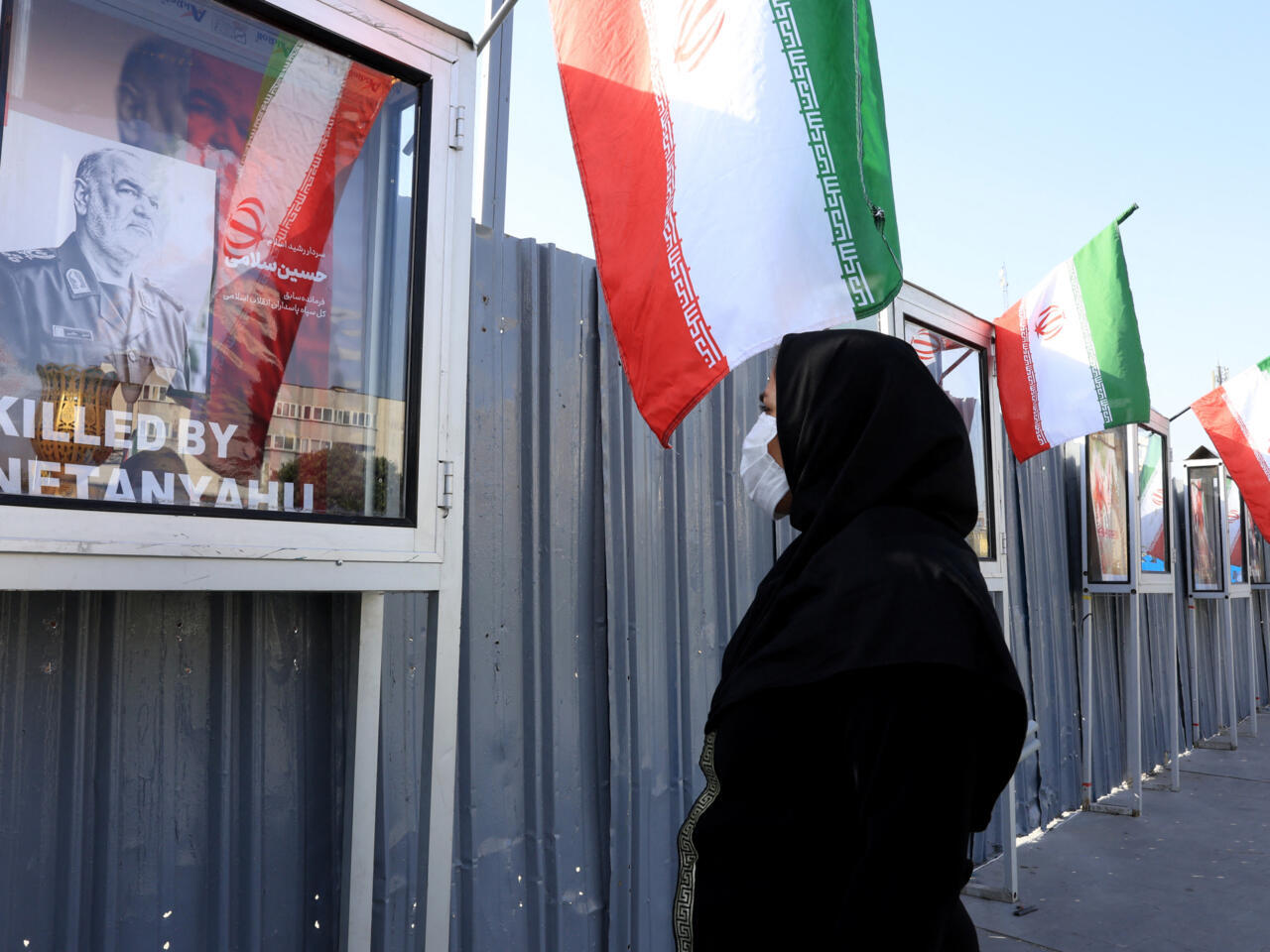
Iran blames Israel’s Mossad and its internal accomplices for the targeted assassinations of nuclear scientists and top commanders of the Islamic Revolutionary Guard Corps (IRGC) during the conflict, which were made possible by information leaks, the regime claims.
According to unnamed IRGC officials cited by Fars News Agency, “the Israeli spy network has become extremely active inside the country.” Since Israel launched its strike on Iran on June 13th, almost 700 people connected to this network have been taken into custody.
Just one day after a ceasefire went into force, three additional men were hanged on Wednesday after three others who were convicted of espionage for Israel were been executed during the conflict. Detainees who purportedly confessed to working with Mossad, the CIA, and MI6 have appeared on state-run television; human rights organizations claim that the confessions may have been forced.
The conflict against foreign espionage is a “relentless battle,” according to Iran’s Ministry of Intelligence. “We are facing a coordinated effort by Zionist and Western intelligence services to undermine our nation,” the statement read.
Human rights organizations, meanwhile, have expressed concern about the accelerated rate of mass detentions and executions. One international rights organization claimed that this trend was reminiscent of Iran’s long-standing habit of obtaining coerced confessions and holding unjust trials. “The possibility of numerous additional executions is a very real concern.”
According to activists, the campaign goes well beyond justifiable worries about spying. As international criticism of Iran grows in the wake of the war, critics contend that the government is utilizing the situation to stifle dissent and expand domestic control.
“Activists, writers, artists, and even the relatives of former protesters are being targeted by security forces in addition to suspected spies,” a political analyst told BBC Persian. “This crackdown’s reach is frighteningly extensive.”
Detainees include renowned cultural personalities and relatives of Iranians killed during the 2022 “Woman, Life, Freedom” protests. There have frequently been no official charges brought.
Additionally, pressure has been placed on exiled journalists. According to BBC Persian employees, amid the crisis, threats against them and their families increased significantly. Affected media said Iranian security officials have called Iranian relatives and said that it is legal to target family members as hostages “in wartime”. According to Iranian law, journalists who are labeled mohareb, or “enemies of God,” face the death penalty.
One of its presenters was forced to resign after the IRGC arrested her mother, father, and brother in Tehran, according to Iran International. After allegedly being pressured by security guards, the presenter’s father called her and threatened “further consequences” unless she resigned.
Manoto TV has recorded similar threats against family members of employees, warning some that they may be charged with espionage or “enmity against God.”
“Iran’s security apparatus is silencing free media through hostage-taking and collective punishment,” an Iran International representative claimed. “This is terrorism by the state against journalists.”
Additionally, the dragnet has ensnared regular Iranians. According to BBC Persian, Iran’s intelligence ministry warned numerous individuals via SMS that their phone numbers were found on Israeli-affiliated social networking sites. They were told to get off such pages or risk being prosecuted.
Even after the ceasefire, internet restrictions are still in effect. During the war, authorities severely restricted internet access, a strategy often used in times of instability. Iranian-language news websites like BBC Persian and Iran International are still restricted, as with well-known platforms like YouTube, X, Telegram, and Instagram. It can only be accessed using virtual private networks (VPNs).
The government’s activities, according to observers, are reminiscent of the 1980s, when Tehran brutally purge its own population using the Iran-Iraq War as a pretext. Many have specifically made comparisons to 1988, when hundreds of political prisoners were placed in unmarked mass graves and killed in secrecy.
One human rights attorney from Tehran stated, “What’s happening now has unsettling echoes of that era.” “With dire repercussions, Iran’s leadership is once again turning inward due to internal vulnerability and international isolation.”