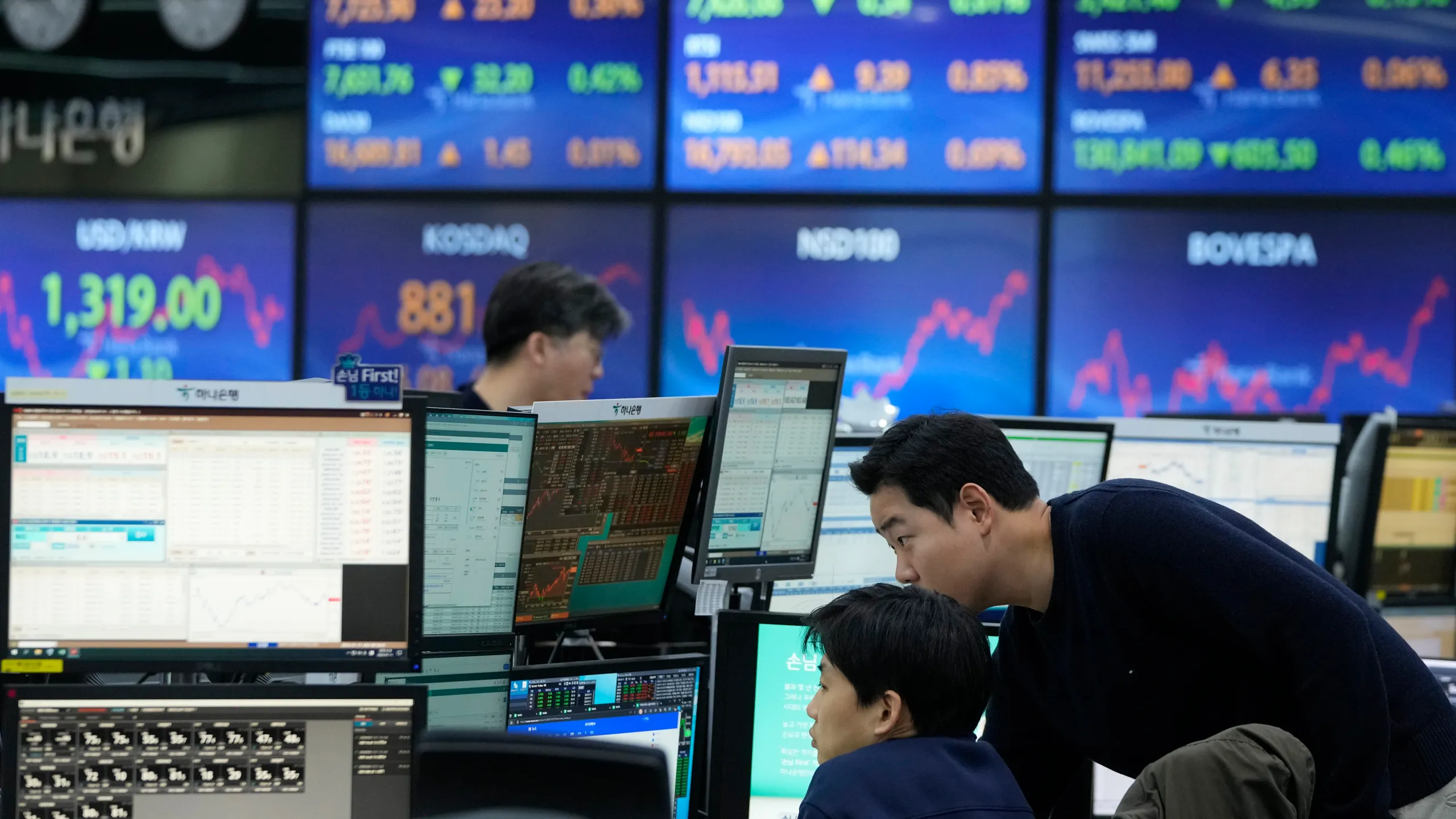
Stock futures on Wall Street fell on Monday, and oil prices briefly hit their highest level in five months. Investors were waiting with bated breath to see if Iran would respond to U.S. attacks on its nuclear sites, which would have negative effects on global activity and inflation.
Initial changes were limited. The dollar only got a small safe-haven bid, and there were no signs of panic selling across markets. With a 2% increase, oil prices were already a long way from their all-time highs.
Although Iran’s nuclear plans had been scaled back, some people were still holding out hope that the country would change its mind and elect a government that was less aggressive.
According to analysts at JPMorgan, however, oil prices usually went up by 30% to 76% after a regime change in the area.
The Strait of Hormuz, which is only about 33 km (21 miles) wide at its narrowest point and carries about 20% of the world’s daily oil intake, will be very important.
“With the U.S. becoming involved, the risk of Iran retaliating by disrupting the flows of oil from the Middle East has risen significantly,” said analysts at ANZ. “Prices in the $90–95/bbl range would be the likely outcome.”
U.S. crude went up 2% to $75.30 and Brent went up a more moderate 1.9% to $78.46 a barrel. Within the metal markets, gold went up by 0.2% to $3,375 an ounce.
Both the S&P 500 futures and the Nasdaq futures started the day with losses of close to 1%, but they have since recovered.
Although Nikkei futures were only slightly lower at 38,380, they pointed to a small drop in the cash index (.N225) at the start of the day.
The euro fell 0.3% to $1.1485 and the dollar rose 0.2% against the Japanese yen to 146.36 yen. The dollar index got stronger by 0.25%, reaching 99.008.
Additionally, there was no sign of a rush to buy Treasuries, which are usually seen as safe, as futures were only up one tick.
Federal Reserve interest rate futures were a little lower, which was probably because people were afraid that a long-term rise in oil prices would make inflation worse at a time when tariffs were just starting to affect prices in the U.S.
Although Fed Governor Christopher Waller went against the group and pushed for a July easing, the markets still think it is unlikely that the Fed will cut rates at its next meeting on July 30.
Markets bet that a rate cut is much more possible in September because most other Fed members, including Chair Jerome Powell, have been more cautious on policy lately.
At least 15 Federal Reserve officials are giving speeches this week, and Powell will be questioned by lawmakers for two days. They will almost certainly ask him about the possible effects of President Trump’s taxes and the attack on Iran.
At this week’s NATO leaders meeting in The Hague, the Middle East will be a big topic of discussion. Most countries have agreed to significantly increase their spending on defense.
Upcoming economic data includes U.S. core inflation and weekly jobless claims numbers, as well as early readings on factory activity from around the world in June.