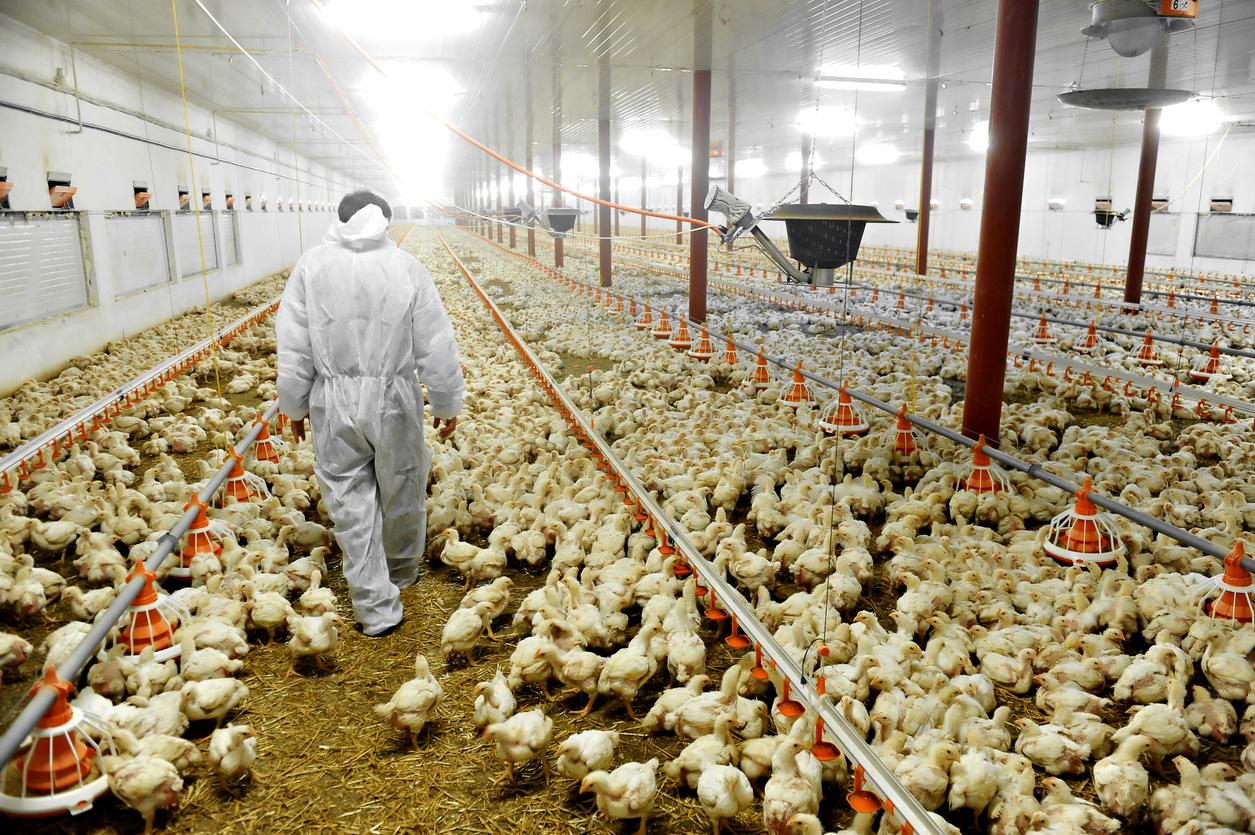
Brazil has announced that it is free of the bird flu virus in commercial flocks, following a period of 28 days without any new outbreaks.
Brazil, recognized as the world’s largest poultry exporter, has officially announced that its commercial chicken flocks are free from the highly pathogenic avian influenza (HPAI), according to a statement from the country’s agriculture ministry on Wednesday.
This comes after a 28-day interval during which no new outbreaks occurred in commercial farms, an essential criterion for restoring disease-free status.
The countdown commenced on May 22, following the complete disinfection of a breeder farm in Montenegro, Rio Grande do Sul, where Brazil’s sole commercial case was documented last month. The outbreak resulted in the culling of 17,000 birds and prompted export bans from key trading partners, such as China.
Countries must implement strict containment and monitoring measures under international health protocols to be recognized as free of HPAI. Although Brazil has fulfilled these conditions on a domestic level, formal recognition by the World Organisation for Animal Health (WOAH) remains outstanding.
Agriculture Minister Carlos Favaro stated that Brazil is currently concentrating on restoring trust and reestablishing its poultry export markets, which represent 39% of the global chicken trade. “The resumption of exports will hinge on discussions with each trade partner,” Favaro stated.
A local official in Rio Grande do Sul has confirmed that all required health protocol steps have been successfully completed, allowing Brazil to once again achieve HPAI-free status for its commercial flocks.
The ministry expresses confidence that international trade will soon resume, contingent upon bilateral negotiations and confirmation from WOAH.