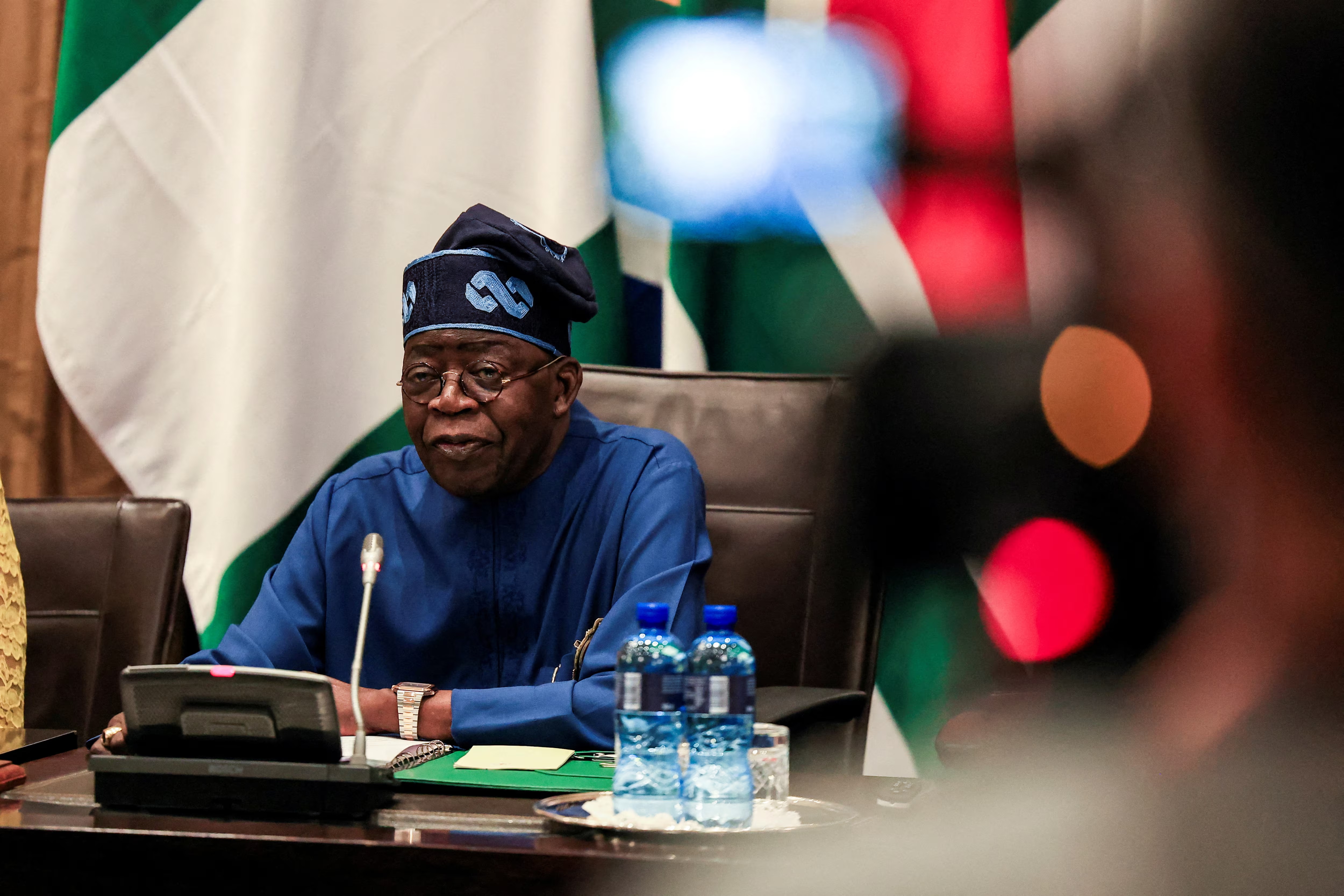
Nigerian President Bola Tinubu, in a letter seen by Reuters, requested that parliament authorize more than $21.5 billion in foreign borrowing for its 2025–2026 borrowing plan in order to fill budgetary gaps and spur growth.
Besides borrowing $2 billion in US dollars, Tinubu also requested that parliament authorize 2.2 billion euros ($2.5 billion) and 15 billion yen ($103.97 million) in foreign currency.
The additional borrowing accounts for over 60% of the total spending allocated in the 2025 budget and represents a change in the government’s strategy to encourage foreign investment to draw equity investors rather than debt in order to reduce the expense of rising debt.
“In light of the significant infrastructure deficit in the country and the power of financial resources needed to address this gap amid declining domestic demand, it has become essential to pursue prudent economic borrowing to close the financial shortfall,” Tinubu stated in his letter.
According to Tinubu, the 2025–2026 borrowing plan will address all areas of the economy, with a focus on financial and monetary reforms, health, education, water supply, infrastructure, agriculture, growth, security, and job creation.
Upon his ascent to power in 2023, Tinubu devalued the naira currency and terminated an expensive gasoline subsidy in an attempt to spur economic growth.
But in the West African country, the actions led to a cost of living problem and increased inflation.
A robust fourth quarter and stronger fiscal situation propelled Nigeria’s economy to its highest growth in about ten years in 2024, according to the World Bank this month. However, the organization cautioned that consistently high inflation remains a worry.