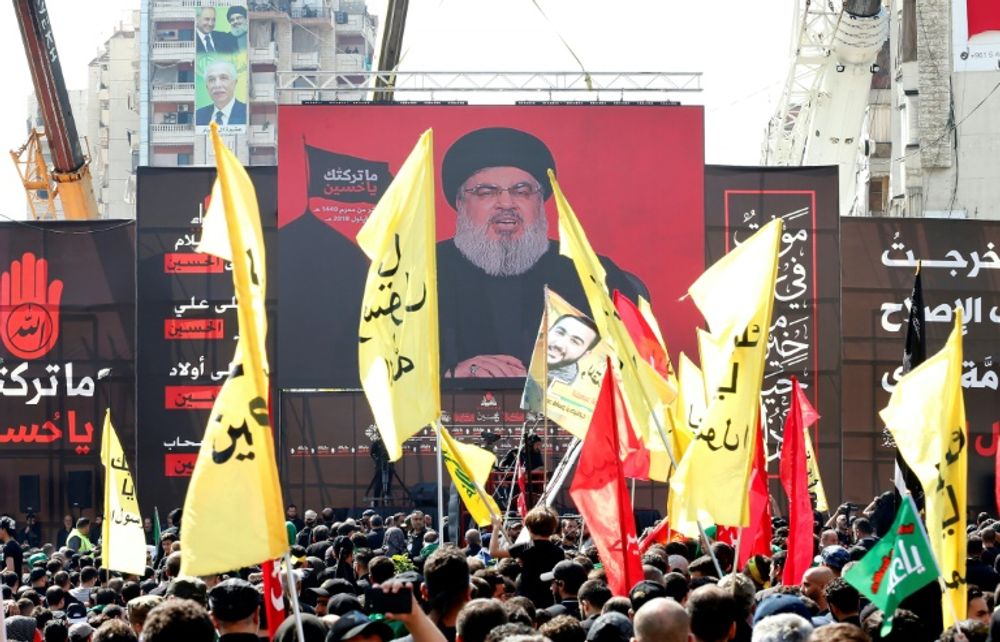
The US has put restrictions on people who work for or give money to Hezbollah because of new nuclear deal talks with Iran that raise worries about funding for terrorism.
The US Treasury Department announced new sanctions on Thursday against four people it says are sending money to Hezbollah, a terrorist group backed by Iran.
The move shows that Washington is still trying to break up banking networks that help terrorists, even though diplomatic talks with Iran are getting stronger.
The Treasury said in a statement that the people are based in Lebanon and Iran and are two top Hezbollah officials and two financial facilitators. They are said to have been very important in making sure that the gifts from other countries got to Hezbollah, which uses them to run its operations.
Deputy Secretary of the Treasury Michael Faulkender said, “These sanctions show Hezbollah’s wide global reach through its network of terrorist donors and supporters, especially in Tehran.” “As part of our ongoing efforts to stop Iran from supporting terrorism, the Treasury will keep putting more economic pressure on the key people in the Iranian regime and its agents who make these deadly activities possible.”
The move is part of a larger plan by the US government to cut off the financial support of groups it sees as a threat to global and regional security.
The news came the same day that President Donald Trump said the US was getting close to a deal in its talks with Iran over nuclear weapons. Trump said things that made it sound like Tehran had “kind of” agreed to the terms of a new deal.
The success in nuclear diplomacy could be a turning point in relations between the US and Iran. However, the sanctions that were announced on Thursday show that Washington is still strongly against Iran’s support for militant groups like Hezbollah.
Putting more financial pressure on Hezbollah and getting back in touch with Iran are two events that have made US foreign policy in the Middle East more difficult to balance.