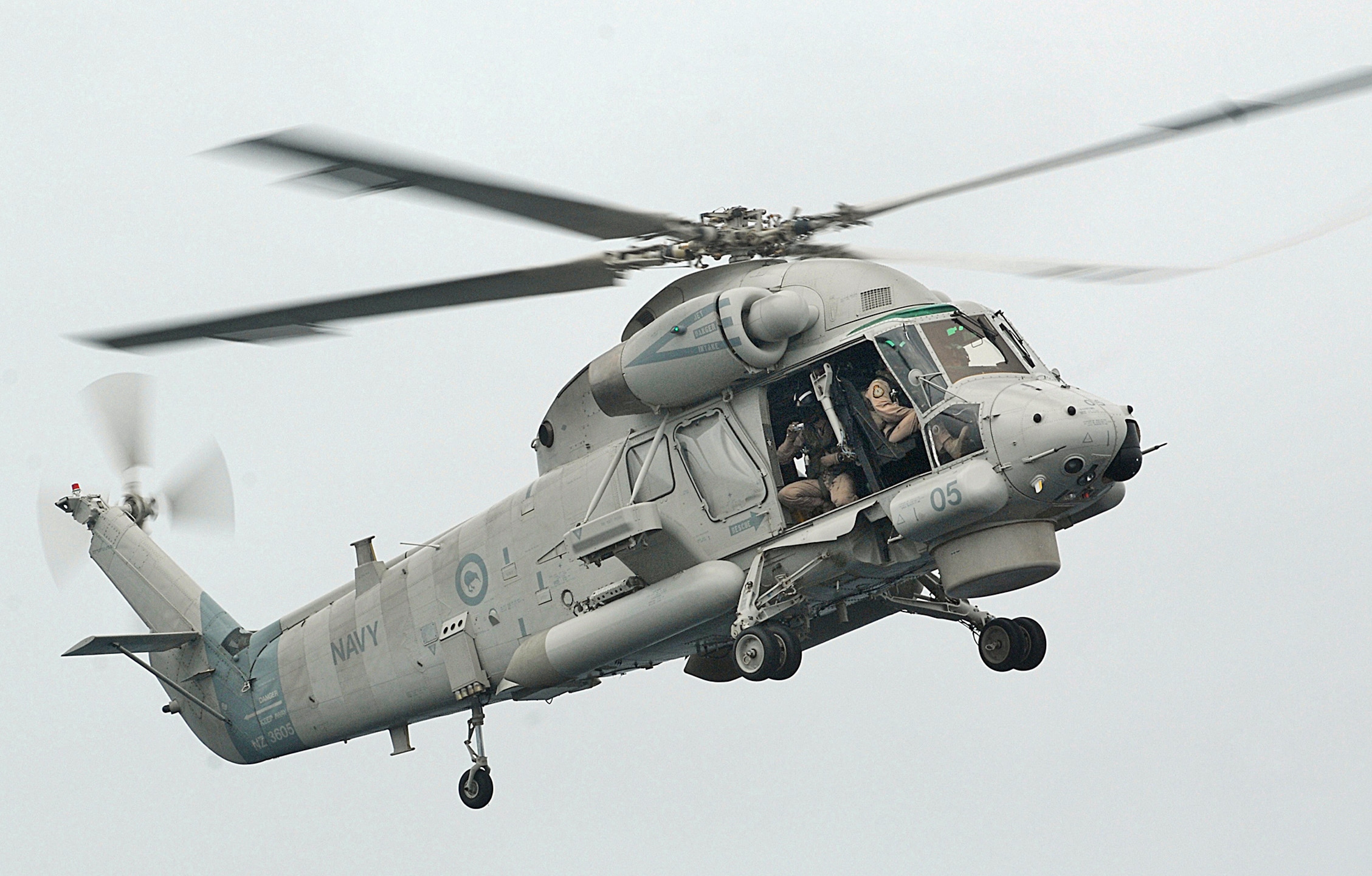
The New Zealand government announced on Sunday that it has allocated NZ$2 billion ($1.19 billion) in its forthcoming budget to replace the Defence Force’s outdated maritime helicopters, amid rising global tensions.
The government announced that, in addition to funding for the helicopters, it would raise baseline spending for the Defence Force by NZ$239 million annually over the next four years.
“New Zealand is clearly not immune to the rising tensions experienced globally,” stated Judith Collins, the Minister of Defence for New Zealand.
“This establishes our trajectory for defence spending to achieve 2% of GDP by 2032-33,” she added.
New Zealand’s Defence Force has faced challenges with persistent underspending for several decades, currently representing just over 1% of GDP. In April, the government announced plans to increase defence spending with NZ$9 billion in new funding over the next four years.
“Economic security cannot exist without national security.” Collins emphasized, “Global tensions are escalating swiftly, and Defence personnel require the appropriate equipment and conditions to effectively perform their duties.”
“We are placing a strong emphasis on enhancing our naval capabilities as a maritime nation,” she stated.
In 2023, New Zealand conducted its inaugural national security review, which emphasized the need for increased military expenditure and enhanced partnerships with Indo-Pacific countries to address climate change and the strategic rivalry involving the West, China, and Russia.
New Zealand possesses a fleet of eight SH-2G(I) Seasprite maritime helicopters. Collins stated that substituting these will enhance both the defensive and offensive capabilities, as well as the surveillance range, of New Zealand’s frigates.
Collins stated that she will provide additional insights regarding defence investments in the upcoming year when the government reveals its budget. The budget for New Zealand is set to be released on May 22, detailing expenditures for the 12-month period ending June 30, 2026.