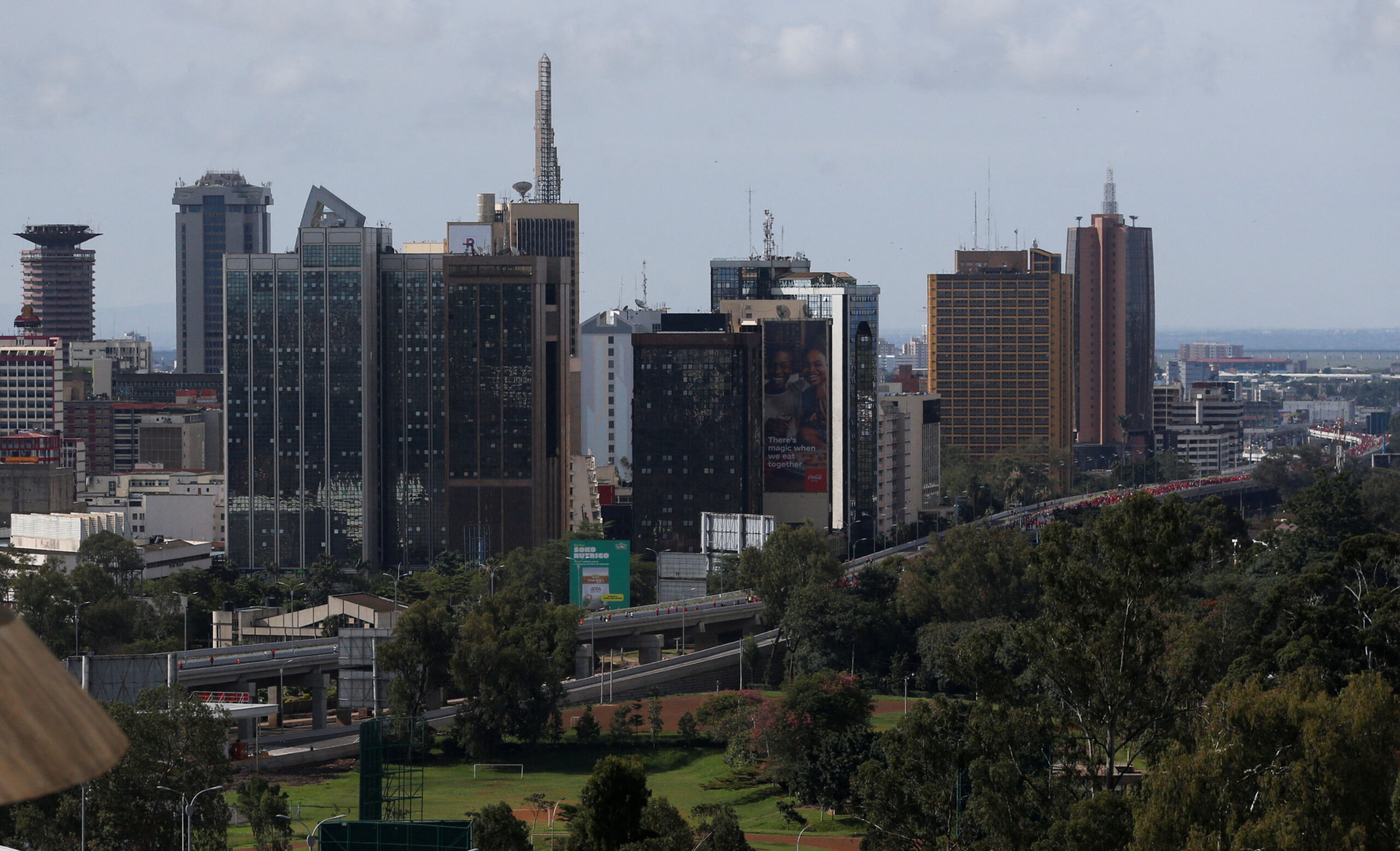
Finance Minister John Mbadi announced on Monday that Kenya’s finance ministry will solicit public input regarding potential legislation to increase revenue and address other obstacles, following the government’s decision to withdraw its financing law in response to protests.
After protests that resulted in the deaths of over 50 individuals, President William Ruto vetoed tax increases totaling over 346 billion shillings ($2.7 billion) in June.
The government, which is severely indebted, was left with a larger budget deficit for this financial year, a delay in funding from the International Monetary Fund, and a mounting number of pending bills as a result of the move.
“We are barely surviving.” Mbadi spoke at a budget preparation meeting, “We are not in the position we desired to be in, but we are here.” Last month, Ruto appointed him from the opposition in an effort to stabilize his government.
Initially, the minister declared that he would reinstate certain tax increases in the abandoned finance bill. However, he later withdrew his statement in response to a public outcry and the threat of additional demonstrations.
“I will be issuing a circular tomorrow, inviting the public’s participation to submit proposals on some legislative reforms to improve our current economic situation,” said the president.
Kenyans will have until September 20 to submit their opinions.
According to Mbadi, the nation was compelled to continue servicing its debt, which is currently above the optimal level recommended by the World Bank and the International Monetary Fund, as a result of years of borrowing that was fueled by infrastructure construction.
“There are no two ways about it.” There is no debt restructuring in this nation. This is unacceptable to us. We will not engage in this activity. He stated, “We will pay our debts and maintain our financial stability.”
Mbadi stated that the government will contemplate tax cuts in the medium term once the situation improves. This includes a reduction in the value added tax on commodities and services from 16% to 14% and a reduction in the corporate income tax by 500 basis points to 25%.
$1 is equivalent to 128.2500 Kenyan shillings.