 "Where Africa Comes to Stay Informed."
US Edition
"Where Africa Comes to Stay Informed."
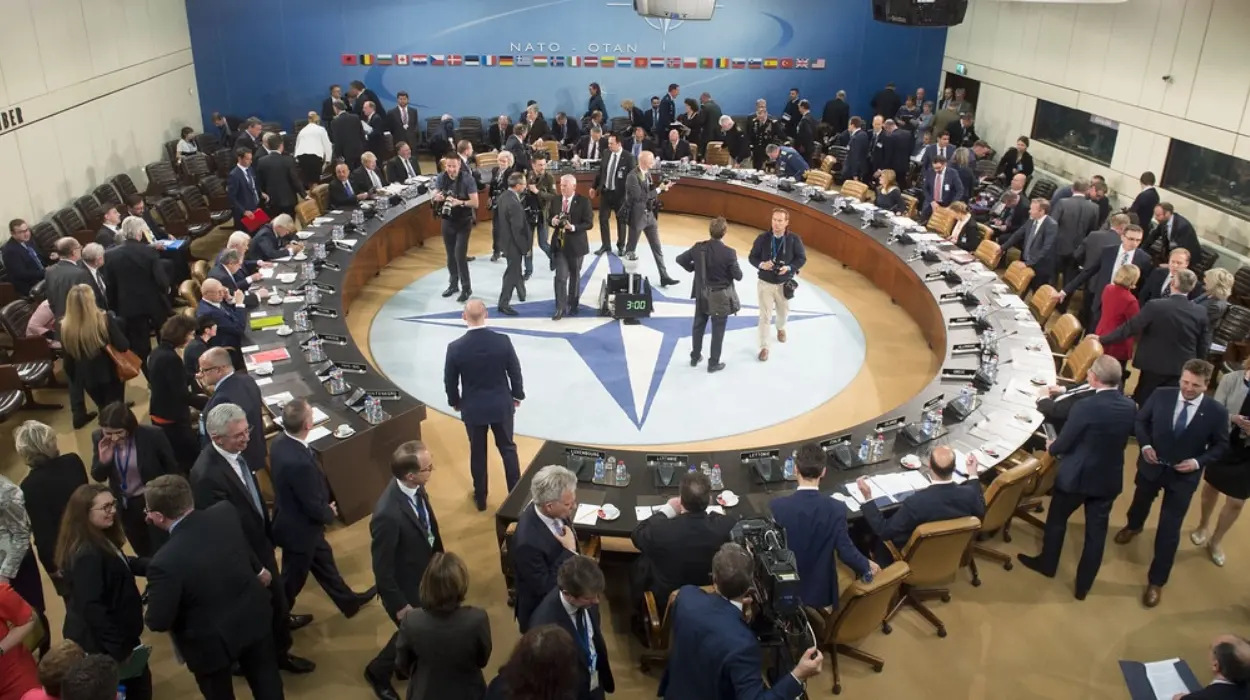
A new security arrangement covering Greenland is due to be signed on Tuesday by Denmark, Greenland and the United States, and Copenhagen says the practical effect will be to hand NATO a larger share of the job of defending the Arctic. The signing is timed for the United Nations General Assembly in New York, though nobody has yet published what the text actually says.
Danish Foreign Minister Lars Løkke Rasmussen framed the arrangement as a way of spreading the burden, so that Arctic security stops being a matter for Denmark and the United States alone.
“It (the agreement) will be in a form where responsibility for security in the Arctic is not only Danish or American,” Rasmussen told national broadcaster TV2 on Sunday. To a large extent, he said, “it would be NATO that looks after the Arctic”.
The alliance gave the deal a positive reception, with a NATO spokesperson saying it would “help advance security, stability and cooperation in this vital region”.
Rasmussen, who flew into New York overnight, would not be drawn on specifics. Denmark, he said, had signalled from the outset that it was willing to deal with the security concerns Washington regards as legitimate.
US President Donald Trump has put a markedly different gloss on the same arrangement, claiming it hands the United States “permanent control” over security in Greenland.
Writing on Truth Social on Friday, he also declared that no American adversary would be permitted to set up a base or station forces on the island without written approval from Washington.
Neither Copenhagen nor Nuuk has signed up to that characterization. Their line is that the deal serves Greenland's interests and leaves its sovereignty intact.
The negotiations grew out of months of pressure from Trump, who has said repeatedly that Greenland ought to be under American control and who has at points refused to rule out using military or economic force to take the semi-autonomous Danish territory.
That pressure sharpened in January, straining relations inside NATO and pushing Denmark and Greenland into talks with Washington over how the Arctic should be defended.
Copenhagen has conceded that it spent decades underfunding Greenland's defense, and has promised a bigger military footprint on the island, partly by drawing NATO further in.
Important questions are still open, among them whether the new text will change the 1951 defense agreement that underpins the legal basis for the American presence in Greenland.
Greenland's government has been working to calm public concern about what is being signed.
Erik Jensen, an opposition member of the Greenlandic parliament, wrote on Facebook that he had gone through the draft and found nothing alarming in it. “I feel reassured and am not worried,” Jensen said, adding that Greenland's foreign minister was handling the negotiations well.


Comments
0