 "Where Africa Comes to Stay Informed."
US Edition
"Where Africa Comes to Stay Informed."
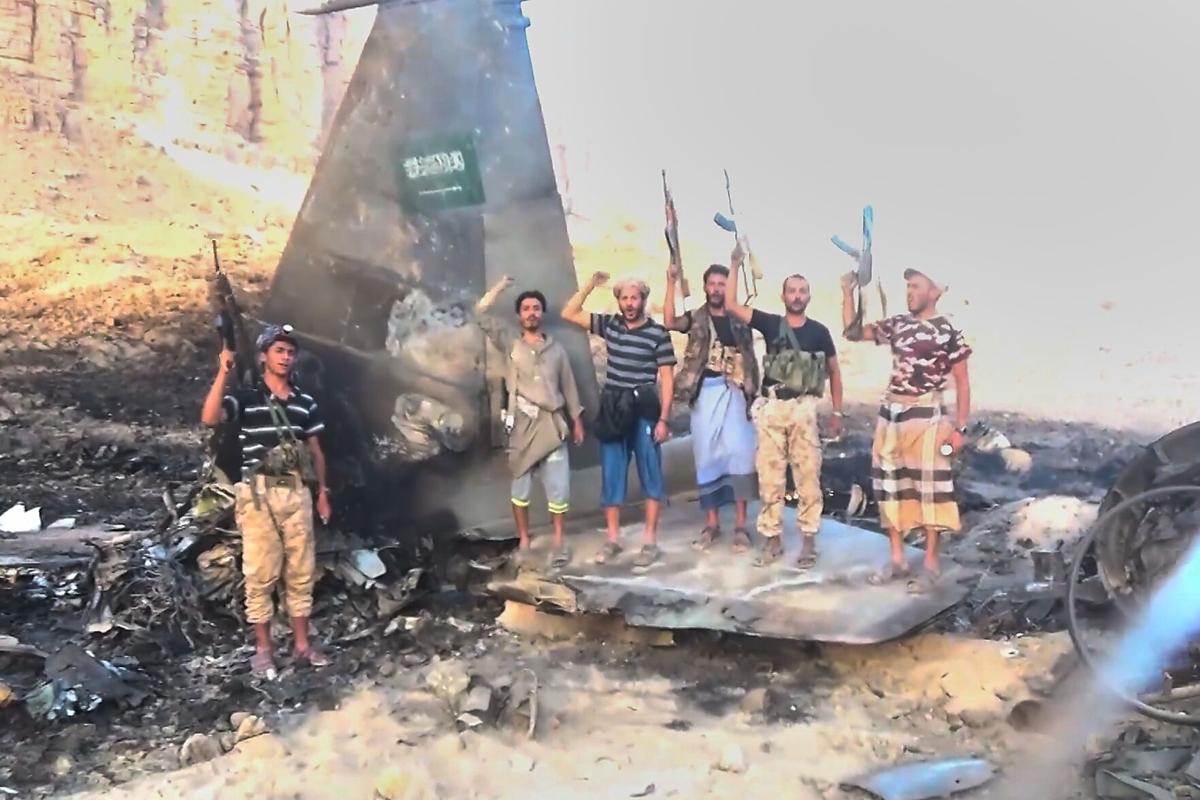
The rapid expansion of Houthi forces in Yemen has exposed weaknesses in Saudi Arabia’s military strategy while increasing Iran and its allies’ influence over critical maritime routes.
A swift Houthi advance in Yemen has raised questions about Saudi Arabia’s ability to protect key oil and shipping routes, according to Western, regional and Yemeni officials and analysts.
The Iran-backed Houthi movement has taken control of territory and islands overlooking the Bab el-Mandeb Strait, a strategically important maritime passage connecting the Red Sea with the Gulf of Aden. The development has placed Saudi-backed Yemeni forces under increasing pressure and reportedly allowed Houthi fighters to obtain weapons and military equipment abandoned during the retreat.
Regional sources attributed the rapid Houthi gains to divisions among forces opposing the group, limited Saudi air support and an apparent failure to recognize the scale of Houthi preparations.
A Western diplomat said the Houthis had quietly built a force estimated at around 100,000 fighters.
“Everyone, including the Saudis, overlooked this build-up and misjudged the Houthis’ intentions,” the diplomat said.
Neil Quilliam, a fellow at Chatham House, described the developments as a major intelligence failure, arguing that warning signs had not been properly recognized.
Yemeni political analyst Farea Al-Muslimi similarly said Saudi Arabia had been caught off guard by the speed and scale of the Houthi advance.
The collapse of several Saudi-backed positions has reportedly prompted Riyadh to seek additional regional assistance as the Houthis expand their territorial control.
The developments could potentially threaten Saudi oil exports and maritime transportation through the Red Sea. Saudi Crown Prince Mohammed bin Salman traveled to Cairo to discuss the situation following Washington’s decision not to provide direct military support, according to regional sources.
Two sources said Riyadh had sought Egyptian involvement in Red Sea operations, recalling Egypt’s role in securing the Bab el-Mandeb during the Saudi-led intervention in Yemen in 2015.
Egypt has not publicly confirmed whether it intends to provide military assistance.
The Houthis are also using their battlefield gains to push for political concessions.
Former U.S. negotiator Dennis Ross said the group could seek restrictions on Saudi support for Yemen’s internationally recognized government, as well as changes affecting access through Hodeidah port and Sanaa airport.
“I doubt the Saudis will readily acquiesce to the demands they are making,” Ross said.
The situation presents Riyadh with difficult strategic choices. Allowing the Houthis to consolidate their territorial gains could strengthen the group's negotiating position, while launching a wider military response could expose Saudi territory to further attacks, according to a Gulf official.
Control of positions around the Bab el-Mandeb Strait could increase the Houthis’ ability to project influence toward the Horn of Africa.
It could also strengthen Iran’s position around two strategically important maritime chokepoints when considered alongside Tehran’s influence over the Strait of Hormuz.
The developments have therefore raised broader concerns about the balance of power in the region and the security of major international shipping routes.
The Saudi setbacks have also renewed questions about the reliability of Western security assistance to Riyadh.
Two Western officials said the United States and European countries were unwilling to provide direct military support and had not joined a Saudi-led maritime defense coalition announced in July.
The situation comes as Iran and its regional allies seek to expand their influence amid wider tensions between Washington and Tehran.
Analysts say the Houthi advances could provide Iran and its allies with additional leverage following setbacks experienced by Iran-backed groups in Gaza, Syria and Lebanon.
“For Iran, this is a major advantage,” Al-Muslimi said.
He also argued that Washington’s decision not to intervene directly on Saudi Arabia’s behalf had raised questions about the long-standing security relationship between Riyadh and Washington.
“The Americans are expressing their disapproval,” Al-Muslimi said, adding that the relationship between the two countries was facing an unusually significant test.
Saudi Arabia may also face difficulties in building a broader coalition against the Houthis because of Yemen’s long history of resistance to foreign military intervention.
Al-Muslimi said the experiences of previous foreign interventions had made regional powers cautious about becoming more deeply involved in the conflict.
“Yemen is the Vietnam and Afghanistan of every power drawn into it,” he said.
The latest developments therefore leave Saudi Arabia facing a complicated combination of military, diplomatic and economic challenges, while the Houthis’ growing presence around the Bab el-Mandeb could have consequences far beyond Yemen.




Comments
0