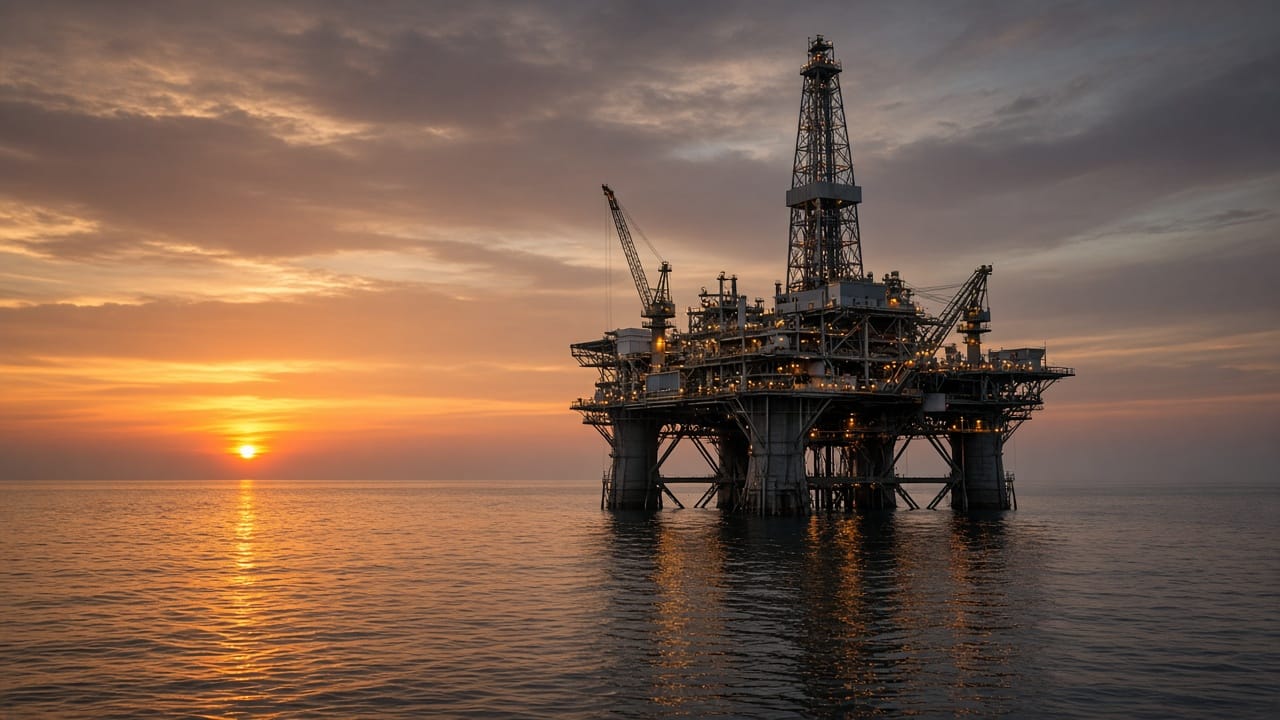
US officials are in discussions to establish a long-term agreement for access to Venezuelan oilfields, which could reduce import costs and enhance American supply.
The administration of US President Donald Trump is approaching an agreement to obtain long-term access to a segment of Venezuela’s extensive crude oil reserves, as per sources knowledgeable about the discussions.
The proposed agreement may enable the US government to secure a selection of Venezuelan oilfields for development by American companies, ensuring a guaranteed supply of crude for the United States.
“This is a genuine matter and is being deliberated at the highest echelons of the U.S. and Venezuelan governments,” one source stated.
A different source indicated that a “lease” was being considered as the legal structure for the arrangement, which would then be followed by an auction or tender process to assign individual fields to US producers.
A list of 17 fields under discussion and observed by Reuters includes undeveloped fields in Venezuela’s vast Orinoco Belt, along with mature oil-producing regions surrounding Lake Maracaibo.
Some of the fields are presently managed by a small Chinese company, with the contract having been established during the tenure of former Venezuelan President Nicolás Maduro.
The White House directed inquiries regarding the negotiations to the US Department of Energy. Venezuela’s oil ministry, the state-owned oil company PDVSA, and the Energy Department did not respond promptly to requests for comment, and Venezuelan Oil Minister Paula Henao was unavailable for contact.
OPEC exit is also being contemplated.
Venezuela is reportedly contemplating a departure from the Organization of the Petroleum Exporting Countries (OPEC) as it strengthens its ties with Washington, according to Bloomberg on Thursday.
Venezuela became a founding member of OPEC in 1960; however, it has struggled to meet its production quotas for years due to prolonged neglect and corruption within its state-run oil industry.
Washington has traditionally resisted OPEC’s impact on global oil prices.
Venezuela possesses the largest crude oil reserves globally; however, its existing hydrocarbons regulations do not allow for acreage leases in oil-producing regions. The Constitution of the country reserves essential activities in the oil industry for the state.
Recent changes to Venezuela’s oil regulations permit operations via joint ventures and production-sharing agreements. However, foreign oil companies have traditionally encountered limitations on securing Venezuelan reserves.
Agreement May Encounter Legal Obstacles
Experts indicated that the proposed agreement may encounter considerable legal and constitutional challenges, as the complete details of the arrangement have yet to be revealed.
Axios initially reported the negotiations on Thursday, noting that US Energy Secretary Chris Wright intended to travel to Caracas as soon as next week.
The discussions follow Washington’s capture and removal of Maduro from power in January. The Trump administration has aimed to ensure a consistent supply of Venezuelan crude for US refineries while promoting American investment in the nation’s declining energy sector.
Venezuela is currently producing approximately 1.25 million barrels of crude oil each day.
The suggested arrangement may also affect fuel prices in the US. The Trump administration is encountering pressure regarding escalating gasoline prices as midterm elections approach later this year, enhancing the political attractiveness of more affordable crude supplies and increased domestic and foreign production.
Washington is exploring methods to replenish the Strategic Petroleum Reserve (SPR), which may include potential crude oil swaps with US producers.
The SPR currently contains approximately 290 million barrels stored in underground salt caverns, which accounts for about 41% of its total capacity. Funding shortages and maintenance work have limited efforts to restore the reserve after the United States relied on it significantly following Russia’s invasion of Ukraine in 2022 and once more after the Iran war commenced in February.