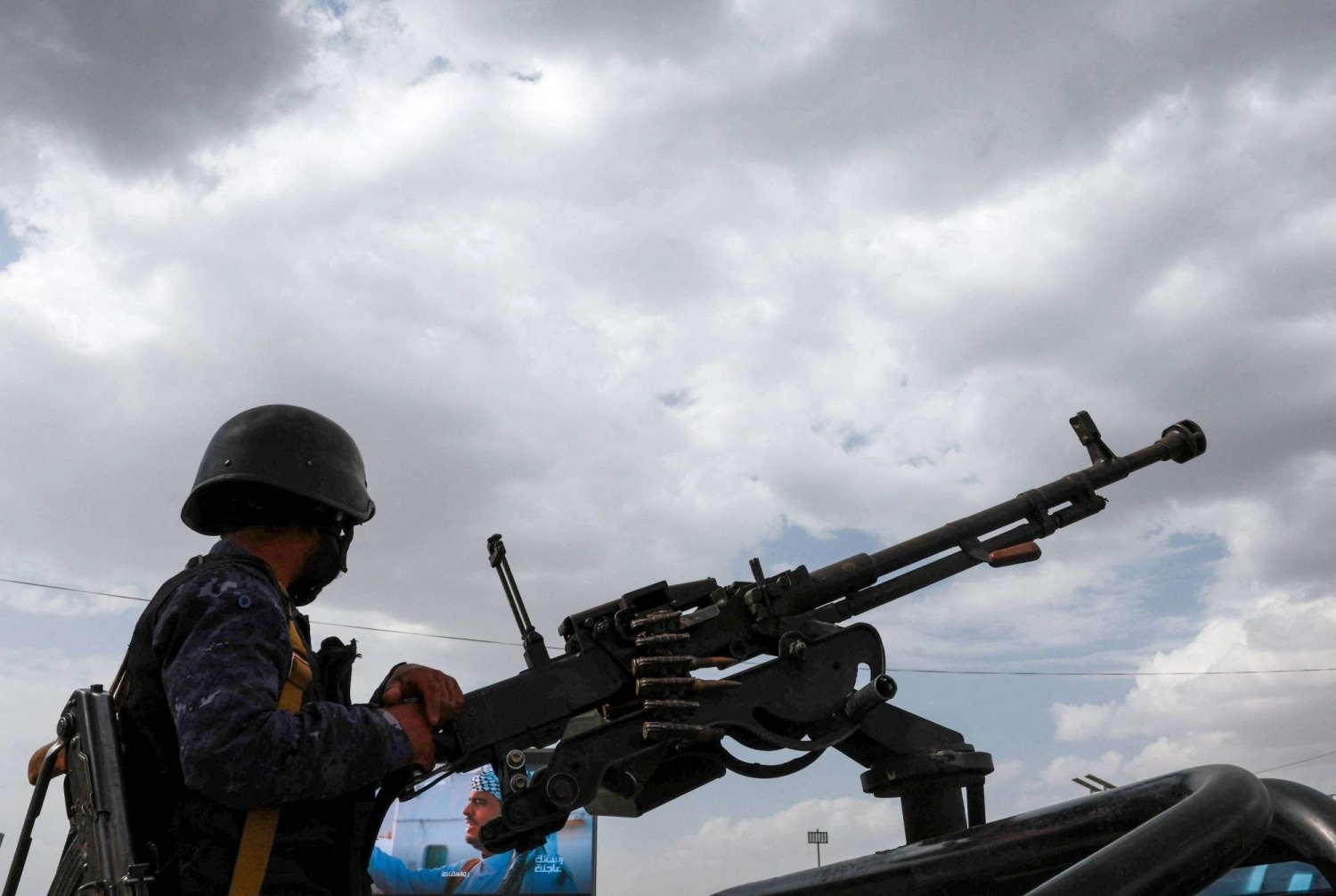
Houthi attack injures 11 civilians in Saudi Arabia, as Riyadh cautions that Iran-backed groups may soon initiate coordinated regional strikes.
An assault by Yemen’s Houthi rebels injured 11 civilians in southern Saudi Arabia on Thursday, as the kingdom cautioned that synchronized attacks by the Houthis and Iran-aligned Iraqi militias might be forthcoming.
Major General Turki al-Maliki, the spokesman for the Saudi-led military coalition supporting Yemen’s internationally recognized government, reported that the shelling in Najran Province resulted in injuries to seven Saudis, one Yemeni, two Egyptians, and one Pakistani.
The victims included a four-year-old child who sustained second-degree burns.
Maliki charged that the Iran-aligned Houthis are recklessly attacking civilian areas, breaching international humanitarian law, and stated that the coalition will persist in implementing all essential actions to safeguard civilians.
There was no immediate reaction from the Houthis or Iran regarding the coalition’s statement, as the ongoing five-month-old US-Israeli conflict with Iran continues to influence Saudi Arabia’s security considerations.
The decade-long conflict in Riyadh with the Tehran-backed Houthis has become more closely associated with the broader regional war. Houthi actions, such as a blockade in the Red Sea that has affected Saudi oil exports, have sparked worries about a potential wider conflict.
A senior Saudi official, who requested to remain anonymous, indicated that intelligence from Saudi Arabia, the US, and other Middle Eastern nations suggests that the Houthis and Iran-backed Iraqi militias, overseen by Iran’s Islamic Revolutionary Guard Corps, may soon initiate coordinated attacks on Saudi civilian targets, which include energy infrastructure, ports, and airports.
Saudi Arabia is pursuing enhanced security collaboration with important allies, simultaneously cautioning about the growing danger posed by Iran-backed factions.
Turkey, Saudi Arabia, and Pakistan were anticipated to finalize a defense agreement in the kingdom on Friday, according to two regional sources with direct knowledge of the situation, as reported by Reuters. Information regarding the agreement was not readily accessible.
Saudi Arabia has established a defense cooperation agreement with Pakistan. Pakistani Prime Minister Shehbaz Sharif arrived in the kingdom on Thursday, and Turkish President Tayyip Erdogan is anticipated to arrive on Friday.
The Saudi official expressed that the reported threats were especially troubling as Riyadh maintained its commitment to de-escalation and a negotiated settlement with Iran, noting that mediation efforts seemed to be progressing “in the right direction.”
The official indicated that the proposed attacks might aim to undermine diplomatic initiatives.
The official also stated that Saudi-US cooperation remained “very high” at all levels, including operational coordination with US Central Command, and that the kingdom was ready to take all necessary measures to respond to any “aggression.”
The Houthis announced on Tuesday that they were responsible for an attack on Najran airport, which is part of a wider effort aimed at Saudi military sites, infrastructure, and shipping routes.
The group reported that it eliminated over 30 Yemeni government troops on Thursday following an assault on what it characterized as Saudi military positions in the Yemeni provinces of Marib and Hadramout.
On July 29, Saudi Arabia announced that it had conducted strikes in coordination with US Central Command targeting Iran-backed groups in Iraq, attributing these actions to drone attacks on its oil facilities. Iraqi militias subsequently announced their intention to respond to the Saudi strikes.