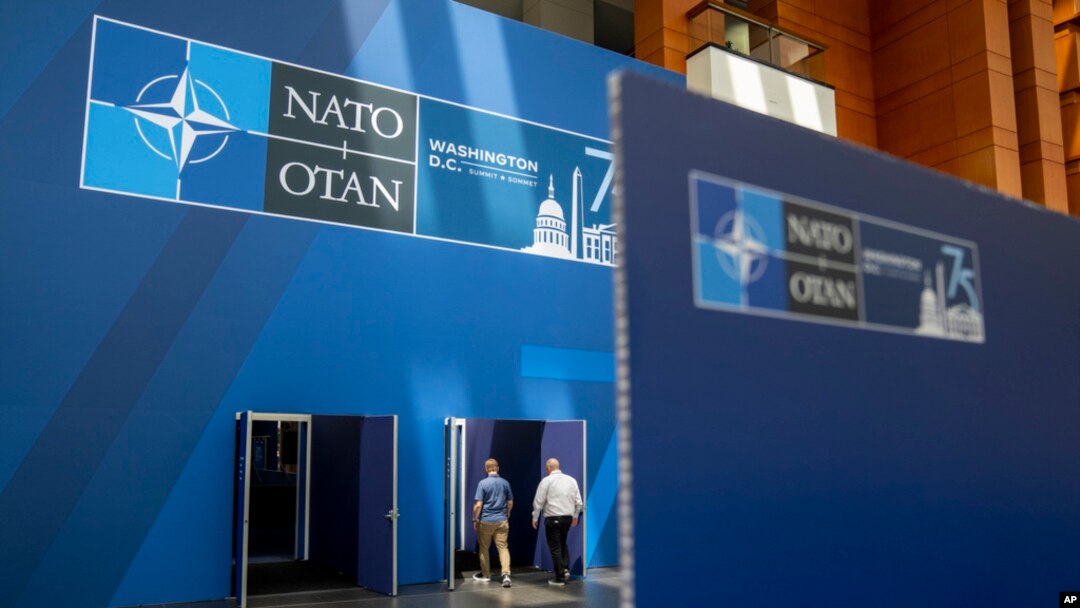
The United States urges NATO allies to enhance their air and naval capabilities as it reduces its own commitments.
A senior US military commander has urged European NATO members and Canada to swiftly increase their contributions of aircraft and naval assets to the alliance, as Washington starts to reduce some of its own forces designated for NATO defense planning.
General Alexus Grynkewich, NATO’s top military commander and leader of US forces in Europe, emphasized that allies need to assume greater responsibility for both crewed and uncrewed air power, along with maritime capabilities. His remarks come in the wake of a change in US defense posture under the Trump administration, which is reducing certain aspects of its military contribution to NATO operational structures.
President Donald Trump has consistently maintained that European allies ought to take on a greater responsibility for the defense of the continent, especially regarding conventional warfare capabilities. That position has now resulted in an official decrease in US forces assigned to NATO’s planning framework, referred to as the NATO Force Model.
Although Washington has not released comprehensive details regarding the drawdown, military sources suggest that the adjustments impact several crucial assets, including refueling aircraft, fighter jets, drones, and naval vessels. The timeline for the full implementation of these reductions has not been disclosed to the public.
Grynkewich stated that the adjustments signify a wider strategic change as the United States re-evaluates its global military commitments. He observed that the reliance of allies on American forces had grown too great and required adjustment in light of the potential for multiple simultaneous global crises.
“There has been an unhealthy reliance on US forces within NATO planning,” he stated in a written statement following a recent meeting of alliance military officials. He noted that the changes aim to encourage allies to develop a more balanced force structure.
Officials indicate that both manned and unmanned aircraft, along with naval units, are key areas where European allies and Canada are anticipated to swiftly address gaps, as the US reduces its assigned contributions in Europe.
A NATO military spokesperson aimed to reassure allies, stating that the identified capability areas are already accessible to European members and Canada. The official stated that no significant operational gaps are anticipated, as long as member states appropriately allocate current resources to NATO command structures.
Nonetheless, apprehensions persist among certain factions of the alliance regarding the lasting effects of a diminished US presence. Some officials caution that a substantial reduction could undermine NATO’s deterrence capabilities, particularly in light of increased tensions with Russia.
Under the proposed adjustments, the availability of US fighter jets for NATO missions is anticipated to decrease significantly, along with a decline in drone assets utilized for surveillance and reconnaissance operations. Analysts indicate that such cuts may restrict intelligence-gathering capabilities and diminish operational flexibility.
Former US defense officials have expressed criticism of the move, contending that it conveys a concerning message to allies while possibly encouraging adversaries. One former Pentagon adviser indicated that the decision may jeopardize trust in NATO’s collective defense commitments during a critical geopolitical period.
As implementation commences, NATO members are anticipated to assess their force contributions in the upcoming months, with increasing pressure on European capitals to expedite investment in air and naval capabilities to offset the US drawdown.