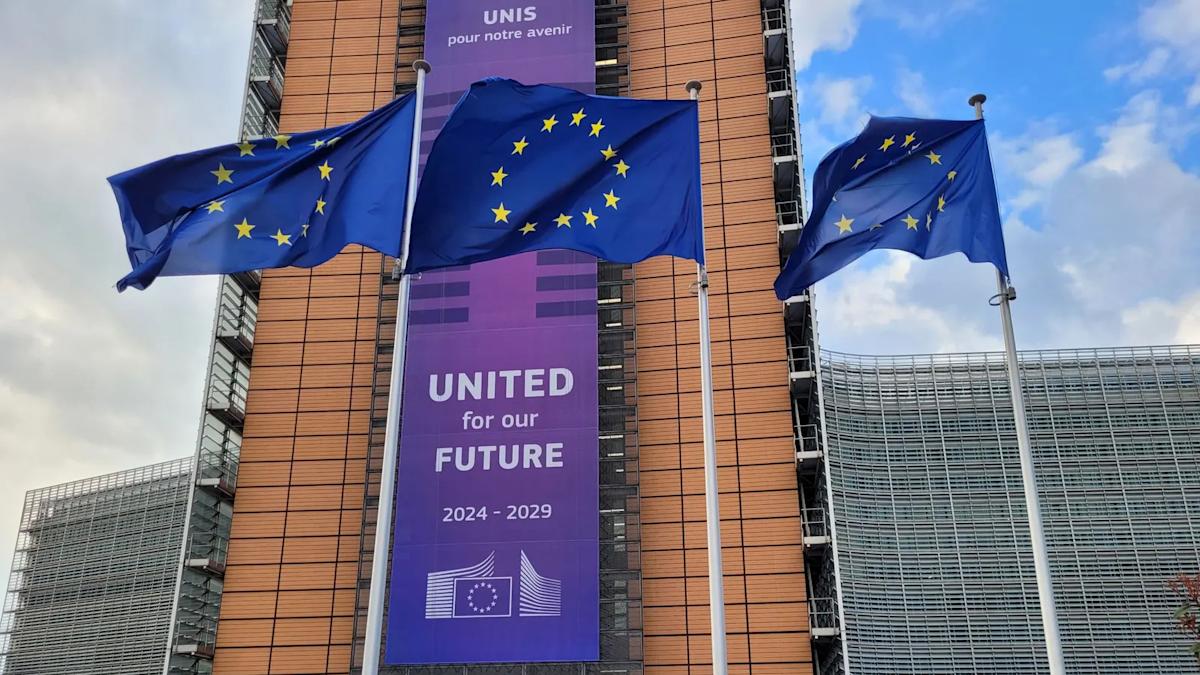
The EU Parliament panel has endorsed reducing tariffs on US goods to avert a resurgence of transatlantic trade tensions.
A significant committee in the European Parliament has cast a decisive vote in support of eliminating tariffs on a broad array of US imports. This action is intended to put into effect a previously established trade framework with Washington and to prevent a new escalation in transatlantic trade tensions.
The decision comes after an agreement was made last year between the European Union and the United States during discussions at Donald Trump’s Turnberry resort in Scotland. Under the agreement, the EU committed to eliminating import duties on American industrial goods and providing easier access for US agricultural and seafood products while agreeing to 15% tariffs on most EU exports to the United States.
Although the agreement has been established for several months, the EU has not yet completely fulfilled its obligations. This delay has faced criticism from Trump, who has cautioned that he may impose considerably higher tariffs if the bloc does not take action before the July 4 deadline.
On Tuesday, the trade committee of the European Parliament supported the proposed legislation with a vote of 31 in favor, six against, and three abstentions. The bill also maintains zero tariffs on US lobster imports, a provision initially established under a 2020 agreement.
While the legislation still awaits approval from the full European Parliament in June, the committee’s decision is largely regarded as a significant step forward toward final adoption.
The decision is made as both parties aim to stabilize one of the largest trading relationships globally, valued at approximately $2 trillion each year in goods and services, despite ongoing trade imbalances and tariff disputes that persistently generate tension.
Nevertheless, apprehensions persist within the EU regarding the conditions of the agreement and the political pressures associated with it. Lawmakers have proposed measures that would permit the suspension of the agreement should the United States not fulfill its obligations, with an automatic expiration set for the end of 2029 unless renewed by new legislation.
The Trump administration has signaled its intention to assess whether these additional conditions are in accordance with the original agreement.