IEA: Global energy investment is projected to reach $3.4 trillion by 2026, with renewables drawing in $665 billion
Renewable energy sources, electricity infrastructure, and nuclear initiatives are at the forefront of global energy investment, while expenditures on fossil fuels are steadily decreasing across the globe.
Global energy investment is expected to hit $3.4 trillion by 2026, with the majority of expenditures focused on electricity infrastructure, renewable energy, storage, and nuclear power, according to a recent report from the International Energy Agency (IEA).
In its most recent World Energy Investment 2026 report, the Paris-based agency indicated that approximately $2.2 trillion of global energy expenditure this year would be allocated to electricity grids, storage, low-emissions fuels, nuclear energy, renewables, energy efficiency, and electrification.
In contrast, investments in fossil fuels, such as oil, natural gas, and coal, are projected to reach approximately $1.2 trillion. The report emphasized a significant change in global energy priorities, with investments related to electricity now leading overall spending trends.
Investment in electricity supply and infrastructure is projected to approach $1.6 trillion by 2026, with the total rising to nearly $2 trillion when factoring in end-use electrification, as reported by the IEA.
Spending on electricity grids is anticipated to reach nearly $550 billion this year, reflecting a growth of almost 20 percent compared to the previous year, while investments in battery storage are expected to surpass $100 billion.
The agency clarified that rising concerns regarding energy security and interruptions to global supply chains are compelling nations to place greater emphasis on domestic energy sources and electricity systems.
Renewable energy continues to be a major beneficiary of the global transition, with investments in renewable power projects expected to reach around $665 billion by 2026. Solar energy is projected to attract approximately $365 billion worldwide.
The IEA observed that even with a deceleration in growth following several years of swift expansion, low-emissions technologies continue to represent over 70 percent of total global power generation investment.
Nuclear energy is currently witnessing a resurgence, with yearly investments surpassing $80 billion. The report also revealed that nearly 80 gigawatts of new nuclear capacity are presently under construction in 15 countries around the globe.
Investment in crude oil projects is anticipated to decrease for the third consecutive year in 2026, dropping below $500 billion, despite elevated oil prices.
The IEA attributed the decline to uncertainty regarding the duration of current price increases, lengthy project development timelines, supply-chain constraints, and tighter offshore drilling markets. Natural gas, however, is anticipated to draw in more substantial capital inflows, with investments expected to reach $330 billion, marking the highest level recorded in a decade.
Investment in coal is expected to increase significantly this year, reaching $180 billion, marking the highest level since 2012.
According to the report, China represents nearly 70 percent of global coal supply expenditures, while certain Asian nations are anticipated to prolong the operational life of current coal-fired plants to enhance energy security.
The IEA estimates a global investment of approximately $350 billion annually in energy efficiency improvements. It was noted that at least 20 countries have already declared new efficiency policies in reaction to the continuing disruptions in global energy markets.
The report cautioned that geopolitical tensions and market volatility are heightening financing risks for future energy projects, especially in emerging and developing economies where borrowing costs are considerably higher than in advanced economies.
The IEA identified the rapid expansion of artificial intelligence and data centers as an emerging force that is shaping energy investment trends.
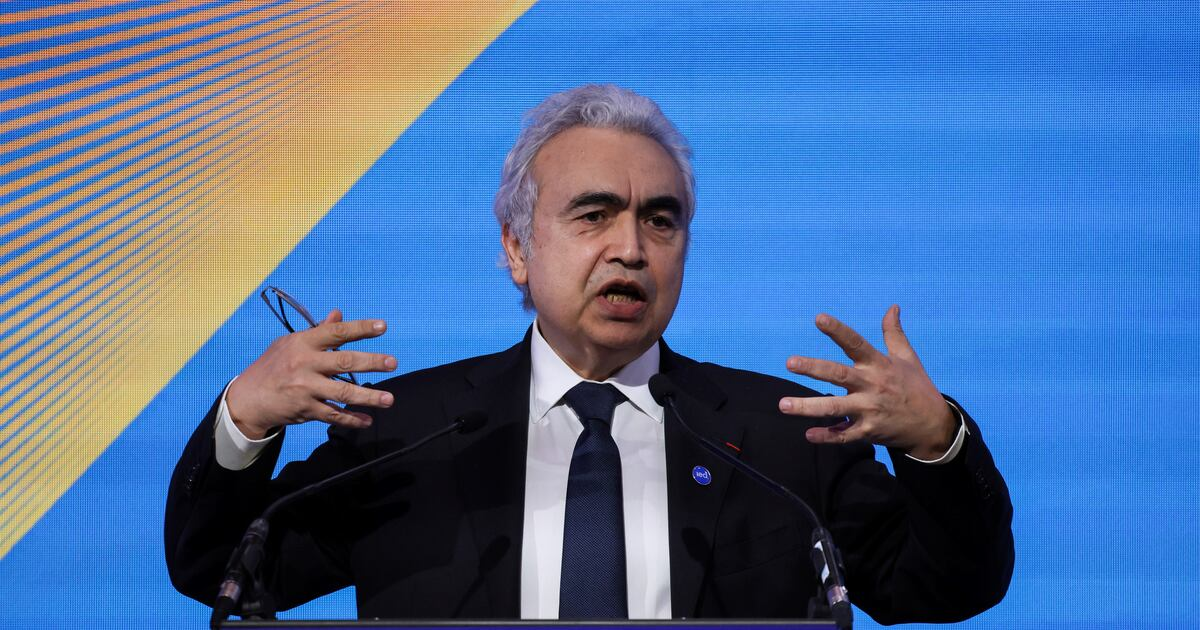
Commenting on the outlook, IEA Executive Director Fatih Birol noted that the existing energy security challenges are already transforming global investment strategies.
“We are currently experiencing the most significant energy security crisis in history—and I am convinced this will transform investment strategies worldwide, reminiscent of the substantial shifts the energy sector underwent following the oil shocks of the 1970s,” he stated.
“We are witnessing increased efforts from both producer and consumer nations to diversify trade routes and energy sources—including the advancement of new pipelines and other supply infrastructure…” he added.