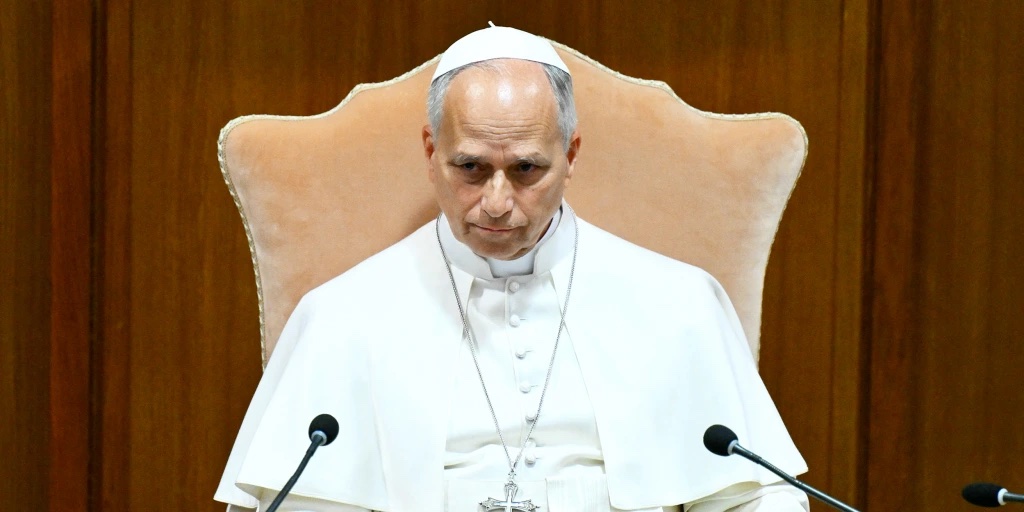
Pope Leo says sorry for the Church’s history of slavery and acknowledges that condemnation and institutional engagement around the world took hundreds of years to happen.
Monday, Pope Leo said the clearest apology from a pope yet for the Catholic Church’s historical part in slavery. He admitted that the church had both delayed condemning the practice and helped make it seem normal.
In a big part of his first pope encyclical, Leo said that it took the Church hundreds of years to fully understand that “the scourge of slavery” was incompatible with human dignity. He called this a “wound in Christian memory.”
“For this, I sincerely ask for forgiveness in the name of the Church,” he wrote, expressing “deep sorrow” for the pain slaves were going through.
In response to rulers, Leo said, Church leaders had sometimes regulated and approved of forms of oppression, such as making non-Christians slaves.
He also said that during the Middle Ages, religious groups did own slaves.
The pope said that the Church didn’t “formally, absolutely, and universally condemn” slavery until Pope Leo XIII’s time in the 19th century. This was after what he called a long period of Church teaching and practice being inconsistent.
These comments are the most direct admission by the pope yet of institutional responsibility. They go beyond earlier statements that mostly focused on the actions of individual Christians instead of the Vatican itself.
When Pope John Paul II went to Africa in 1985, he asked the people there to forgive him for the pain caused by the slave trade by “men from Christian nations.”
Pope Francis, who came before Leo, spoke out against modern slavery and officially rejected papal papers from the 15th century that were used by colonial powers to excuse actions like slavery.
But the comments that came before didn’t go into detail about the role of the papacy.
Leo said this in his first encyclical, Magnifica Humanitas, which talks about the moral problems that AI causes and warns against new ways that the global economy can be used to take advantage of people.
Genealogical study that came out after Leo was elected last year showed that the first pope born in the US had ancestors who were both slaves and slave owners.